
Last updated November 15, 2026
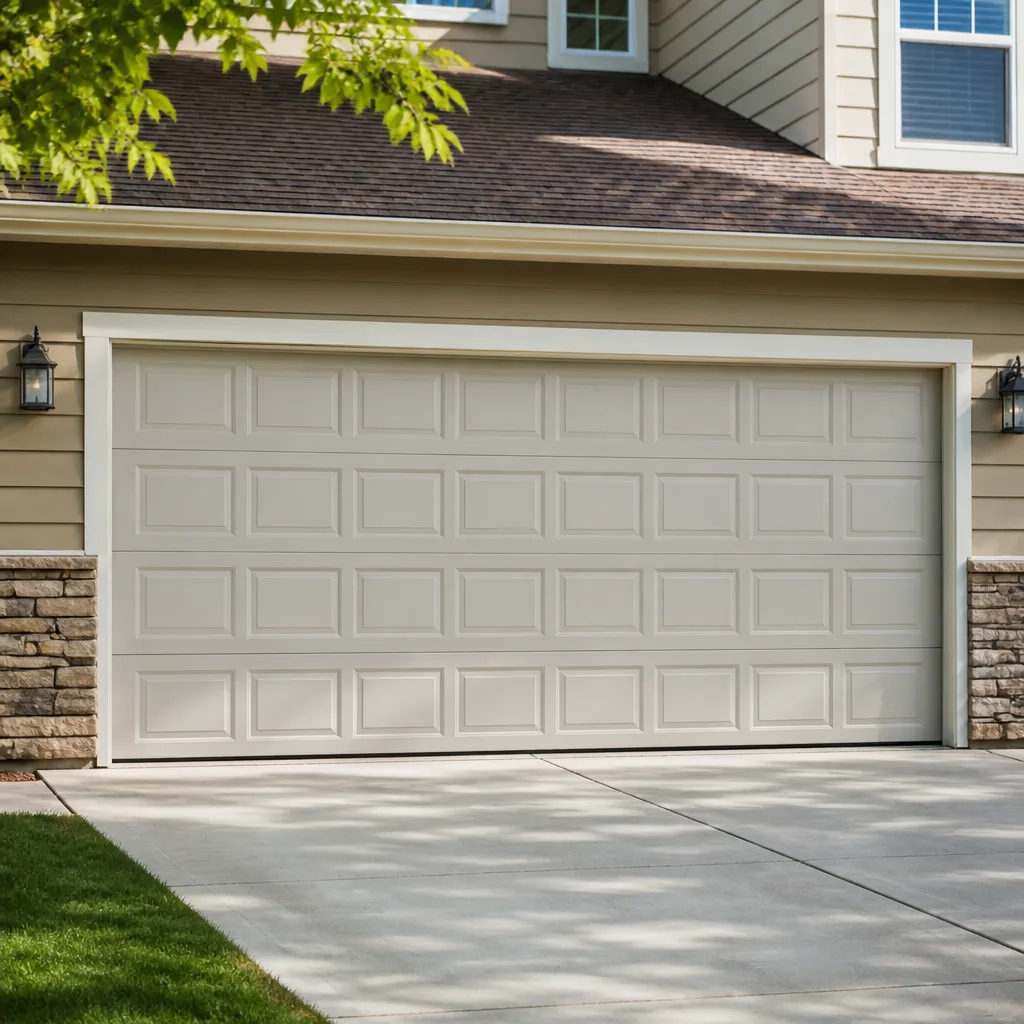 Raised-panel steel
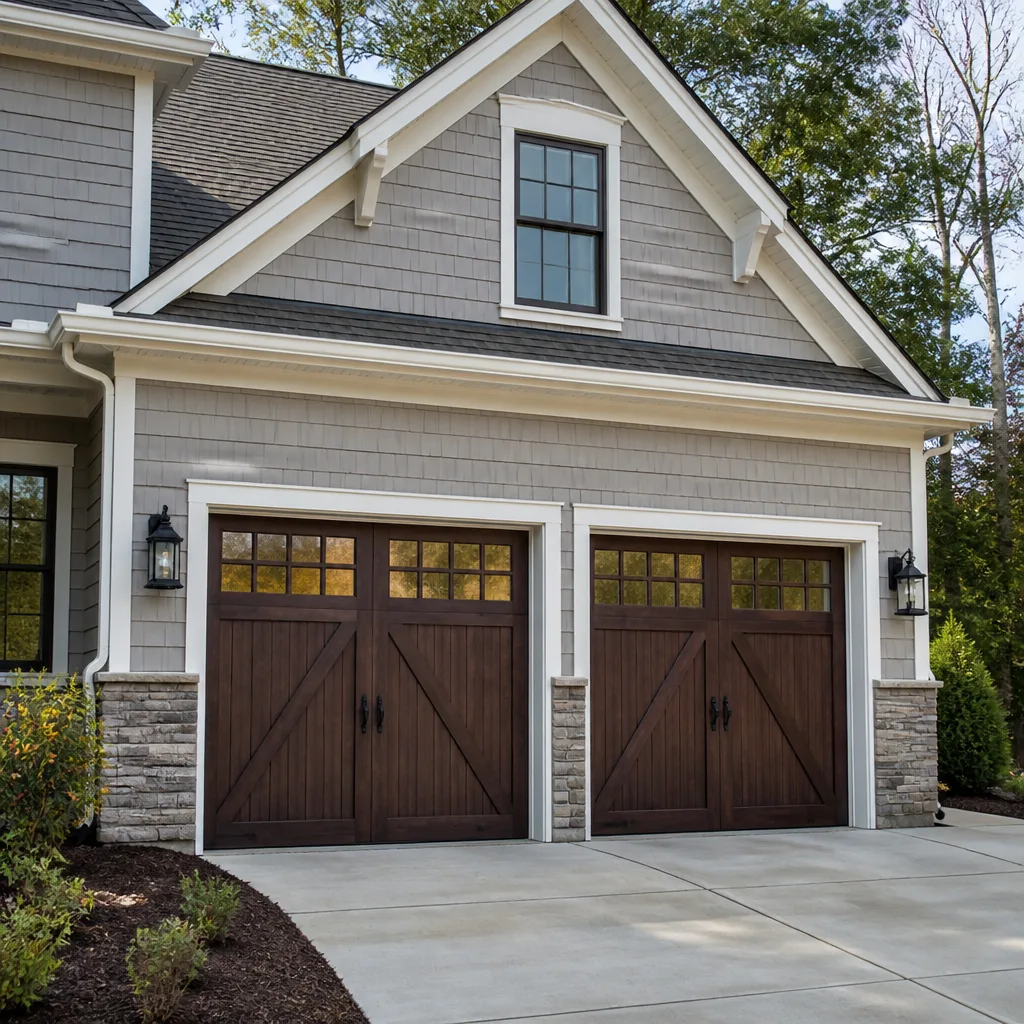 Carriage house
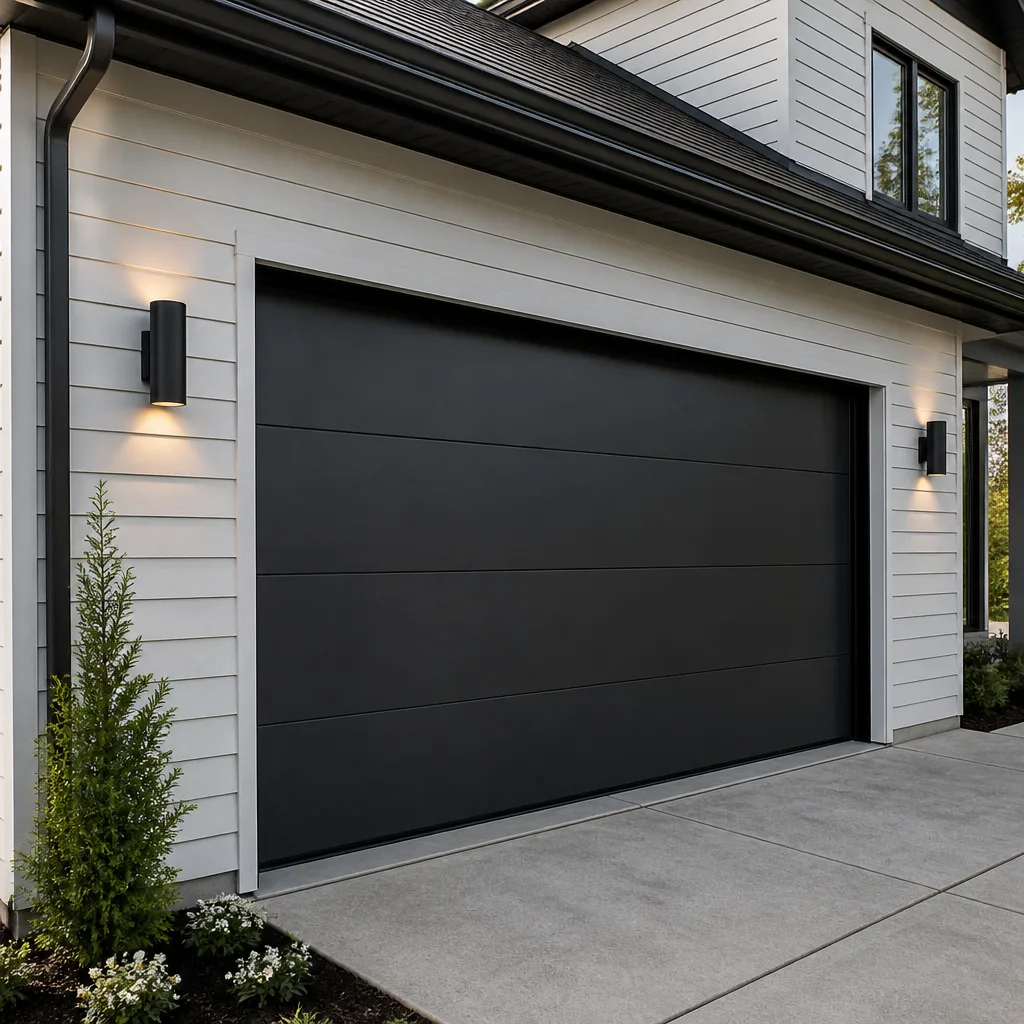 Modern flush
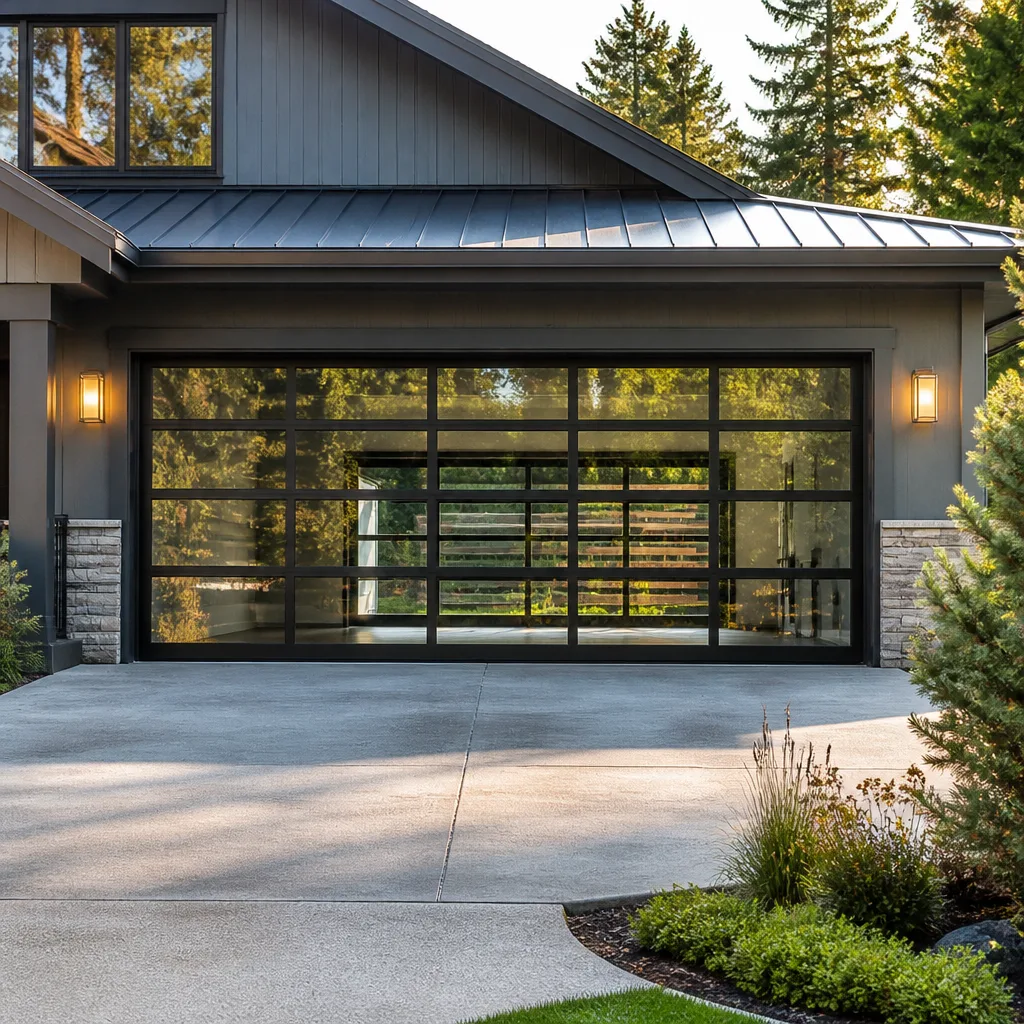 Full-view glass
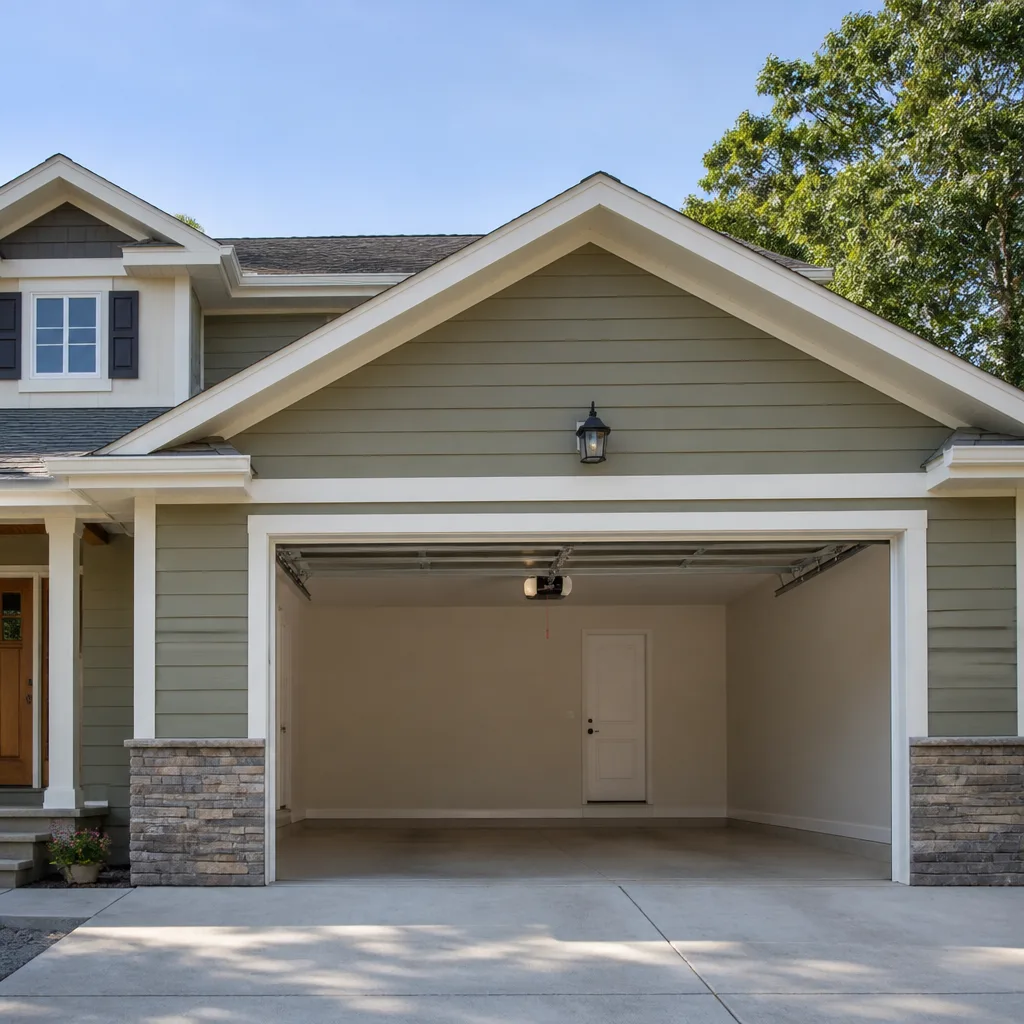 LiftMaster openers
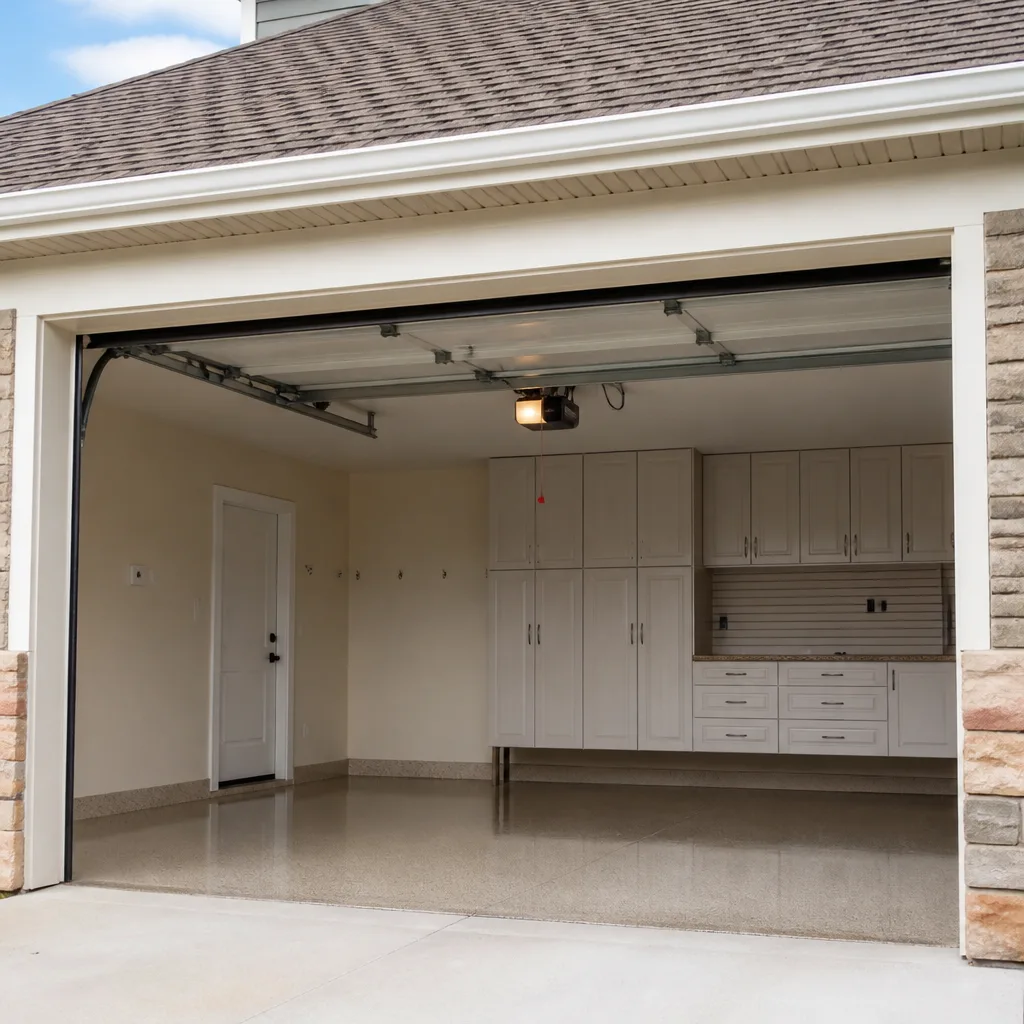 Chamberlain openers
Full 25-point door and opener safety check with every visit - springs, cables, rollers, tracks, and your LiftMaster or Chamberlain opener included
You get a price before we start. It does not change when the pro arrives.
Get your free estimateGarage Door Warning Signs: A Birmingham Homeowner’s Reference Guide
A garage door that pauses for two seconds before it moves is not a slow opener. It’s a motor fighting a door that’s out of balance. The spring has started to lose tension, the door got heavier, and the opener is now lifting load it was never rated to carry. That pause costs a spring replacement. Ignore it for a season and the opener’s gear and logic board wear out alongside the spring, and you’re paying for both. Most “warning signs” articles list symptoms without saying what they mean mechanically. This guide maps each sign to the part that’s actually failing, how urgent it is, and what to document before you call anyone in Birmingham.
Quick Answer
A garage door’s most serious warning signs are a door that moves in jerks, a loud bang from the spring, a door that won’t stay half-open, and any visible gap in the spring or cable. Those four mean stop using the door and call a technician. Grinding, squealing, rattling panels and a door that reverses early are usually less urgent but point to a specific part (rollers, hinges, track, sensors) that gets cheaper to fix the sooner it’s diagnosed.
Styles & brands we work with
- Raised-panel steel
- Carriage house
- Modern flush
- Full-view glass
- LiftMaster openers
- Chamberlain openers
Table of Contents
- Symptom-to-Cause Table: What Each Warning Sign Actually Means
- Rollers, Track or Alignment: Telling Three Lookalike Problems Apart
- The Safety-Critical Signs: Stop Using the Door Now
- Why Some Warnings Only Appear in Summer or Winter in Birmingham
- The Documentation Checklist: What to Gather Before You Call
- Is It the Opener or the Door? How to Tell
- Brand-Specific Nuances: Genie, Clopay, Amarr and Wayne Dalton
- Repair or Replace: When the Warning Signs Add Up
Symptom-to-Cause Table: What Each Warning Sign Actually Means
When you call a garage door company, the difference between a useful conversation and a “we’ll have to come look at it” non-answer is knowing what your symptom points to. Here’s the mapping we use in the field, with severity rated on a three-level scale: monitor, book soon, or stop using the door.
- Loud bang, then the door won’t lift: Torsion or extension spring has broken. Stop using the door immediately. Very common in Birmingham, where a spring that’s been under steady tension through a humid summer is more fatigued than its visible condition suggests.
- Door moves in jerks or stutters: Door out of balance, usually a weakening spring, sometimes a seized roller. Book soon. The opener is absorbing the extra load every cycle.
- Grinding or scraping on one side: Roller has worn flat or the hinge is binding. Book soon if it’s intermittent. Stop using the door if the track shows visible bending.
- Squealing or high-pitched whine: Dry rollers, dry hinges, or a torsion tube that needs lubricant. Monitor. One of the cheapest fixes on the list if caught before the friction damages the roller.
- Door reverses before it reaches the floor: Photo-eye sensors out of alignment or blocked, or a travel limit set wrong. Monitor and check for an obstruction first. If the sensors are clean and clear and the door still reverses, book a technician.
- Door travels unevenly, one side lags: Cable has jumped off the drum or is frayed. Stop using the door. A snapped cable can whip and cause serious injury.
- Door drifts down when left half-open: Spring tension has failed. Stop using the door. This is a balance and safety issue, not a convenience issue.
- Visible rust on panels near the bottom: Birmingham’s humidity works on the lower panels first, where the door meets the ground and moisture settles. Monitor. Rust that’s eaten through means water is getting into the panel interior and replacement becomes the honest answer.
This table is the short version of the whole guide. If your symptom is in the “stop using” row, the rest of this page is background reading. If it’s in the “monitor” or “book soon” row, keep going, because the next sections show you how to narrow the diagnosis further and get a more accurate estimate before a technician arrives.
Rollers, Track or Alignment: Telling Three Lookalike Problems Apart
These three problems produce nearly identical symptoms. The door hesitates, scrapes, or looks crooked. But they cost very different amounts to fix, and a technician who diagnoses the wrong one will quote you for the wrong repair. Here’s how to tell them apart from the outside of the door.
Worn roller
A worn roller has lost its roundness or its bearing. Look at the rollers in the hinges with the door closed. If any of them show a flat spot, a wobble when the door is moving, or a dark ring of grease around the shaft where the bearing is failing, that’s your culprit. Worn rollers usually cause an intermittent scrape that happens as the door passes a specific height, not across the whole travel. Nylon rollers tend to wail before they fail. Steel rollers grind and stay quiet longer.
Bent track
A bent track has lost its straight line. Run a hand lightly along the inside edge of each vertical and horizontal track section with the door down (never with a finger inside the track channel). You’re feeling for a kink, a dent, or a spot where the track curves inward. A bent track causes a consistent scrape at one specific height and often leaves a bright rub mark on the roller. In Birmingham, garages that take direct afternoon sun on the door frame sometimes show a slight track shift from thermal movement, which is why track problems here aren’t only from impact.
Alignment issue
Alignment means the door itself is sitting unevenly in the opening. Stand back from the closed door and check whether the gap at the bottom is even across the width, and whether one side’s top edge sits higher than the other. Look at the gap between the door edge and the vertical track on each side. A door that’s pulled to one side usually means a cable tension differential or a hinge pulled loose. Alignment problems tend to get worse week over week. Roller problems stay roughly constant until the roller seizes. Track problems with impact show up suddenly after a hit.
In rough terms, roller swaps are the cheapest of the three, alignment correction sits in the middle, and full track replacement is the most expensive. Getting the call right the first time is what keeps the bill where it should be. Skip the guesswork and ask us to look at the door with you; brand-matched diagnostics are what we do every day, and we work the eight major brands that dominate Birmingham garages: LiftMaster, Chamberlain, Genie, Clopay, Amarr, Wayne Dalton, Craftsman and Raynor. If you want a broader scope of service options, Prospect Garage Door Repair handles all three core services under one roof.
The Safety-Critical Signs: Stop Using the Door Now
Some warning signs mean stop using the door and call a technician. Others mean keep an eye on it and book a repair in the next few weeks. Getting that order wrong is how people get hurt, so this section is the one to read twice. Garage door springs and cables are under extreme tension. Never try to adjust, remove or replace a torsion spring, extension spring, or cable yourself. The stored energy in a wound spring can cause serious injury in a fraction of a second, and it’s the reason this is one of the few home repairs where a trained professional is the only sensible answer.
Stop using the door immediately if you see any of these
- A broken spring (a visible gap in the torsion spring above the door, or a stretched extension spring hanging loose on one side).
- A frayed, kinked, or off-drum cable. Cables can snap and whip.
- A door that won’t stay open when lifted by hand to about hip height. That means the spring has lost tension and the door’s weight is not properly counterbalanced.
- The door came off one track. Do not force it back on.
- You heard a bang from the garage and the door is now sitting lower or uneven.
- A hinge is broken or hanging. The door can bind and come off the track during its next cycle.
Monitor and book in the next few weeks if you see these
- Squealing that only shows up in cold weather.
- One roller showing a slight flat spot.
- Sensor light flickering but the door still closing correctly most cycles.
- Scattered rust speckles on a lower panel that haven’t penetrated the metal.
- A slight side-to-side wobble at the end of travel.
Monitored signs aren’t free passes. They’re the window between a cheap fix and an expensive one. A roller that squeals is a few dollars in parts. A roller that seizes overnight can strip the opener’s drive gear, and now you’re paying for two repairs. For the safety-critical list, call (833) 946-3180. We answer 24/7. Fast dispatch from 7am to 7pm, Sunday through Friday. For the monitored list, call the same number and book a repair visit; the estimate is free and the price is set before any work starts.
Why Some Warnings Only Appear in Summer or Winter in Birmingham
The month a symptom shows up tells you something about the cause. A squeal that only appears in January and disappears by March is a different problem than a squeal that starts in July. Birmingham’s climate alternates between long humid summers and occasional hard freezes in winter, and both seasons stress garage door parts in specific ways.
Summer-only warnings (June through September)
- Grinding on one side that eases off after a few cycles. Heat expands the metal track and wooden door frames. A slightly tight roller or a track with a marginal gap will rub when everything has grown a fraction. As the day cools the track shrinks back and the noise stops. This is usually a roller or track tolerance issue rather than a failing spring.
- Door reverses on closing when the sun hits the sensors. Afternoon sun on a photo-eye receiver can overwhelm the beam, especially on older sensor models. It usually shows up in the direction that faces the sun at the time you close the door. Repositioning the sensor or shading the lens resolves most cases.
- Opener overheating and reversing after multiple cycles. A hot garage plus a heavy door stresses the opener motor’s thermal cutout. If your door reverses after three or four rapid open/close cycles only on hot days, that’s usually the opener protecting itself from an unbalanced door.
Winter-only warnings (December through February)
- Door moves sluggishly in cold weather. Garage door lubricants thicken below freezing, so a door that’s already close to its balance threshold will feel noticeably heavier. If it moves fine in July and labs in January, the spring is probably under-tensioned or has started to fail.
- Loud bang on the first cold morning. Metal contraction plus spring fatigue makes spring breaks most likely in cold snaps. If the door won’t lift after a cold night, assume a broken spring and stop using the door.
- Rollers squealing on the first few cycles and going quiet. Cold grease on roller bearings needs a few minutes of friction to warm up. If the squeal stops after two or three cycles, it’s a lubrication issue and a simple technician fix.
The main value of this seasonal read is to stop you chasing the wrong problem. If a door only grinds in summer, you’re not looking at a failing spring. If it only hesitates in winter, you’re not looking at a bent track. Diagnose the season first, then the mechanic. For a professional look at the door in front of us, the technicians we connect you with walk through the same seasonal questions on the phone, and it’s often enough to narrow the likely cause before anyone arrives. If you’ve already got a symptom on the stop-using list, call for garage door repair today rather than waiting for the season to turn.
The Documentation Checklist: What to Gather Before You Call
A phone estimate is only as good as the information you give us. A caller who says “my door is acting weird” gets a “we need to look at it” answer. A caller who says “the door hesitates about two seconds before moving, the opener light blinks four times when it reverses, and it only happens when it’s been over eighty-five degrees all day, and the door is a Clopay with a LiftMaster opener” often gets a starting estimate on the phone and a technician who arrives with the right part on board. Here’s what to gather before you call.
Photos to take (on your phone, no special equipment)
- Full front view of the closed door, so we can see the panel alignment and bottom seal.
- Close-up of the torsion spring above the door (the horizontal coil). Note any visible gap or rust streaks.
- Close-up of both sides of the track where the bottom roller sits.
- A shot of the opener head unit and any model sticker on the side or back.
- A shot of the sensor eyes at the bottom of the track on each side, showing the LED status.
- If the door was hit, a photo of the dent with a tape measure or coin held next to it for scale.
Measurements and details to have ready
- Door width and height, in inches, measured at the opening. Most single-bay residential doors in Birmingham fall in a fairly standard range, and this narrows spring and panel options immediately.
- The brand of door and the brand of opener, from the panel sticker and the opener label. Genie, LiftMaster, Chamberlain and Craftsman are the most common opener brands we hear on the phone.
- How many times per day the door cycles (once in the morning, once in the evening, ten times a day if it’s a busy household).
- Whether the door opens manually with the disconnect cord pulled and how heavy it feels by hand. Don’t try this if the spring has visibly broken.
- What the symptom sounds or looks like in one sentence, and whether it’s constant or intermittent.
- The date the symptom started and whether it’s changed since.
With that in hand, you get a real conversation. When we can, we quote from photos and measurements. When we can’t, we say so plainly rather than giving a number we’d have to walk back. Either way, the estimate is free and the price is set before any work starts, so the checklist is time well spent from your side of the call.
Is It the Opener or the Door? How to Tell
A lot of “opener problems” are actually door problems wearing the opener out. That distinction matters because replacing an opener to fix a door that’s out of balance leaves you with a brand-new opener doing the same damage to itself. Here’s the working test to tell the two apart.
How the door behaves when disconnected from the opener
Pull the red manual release cord on the opener trolley (with the door fully closed, standing clear). Then lift the door by hand.
- Door lifts easily and stays up at half-open by itself: the door’s balance is fine. If the opener still struggles or reverses, the problem is on the opener side.
- Door feels heavy or drops when you let go at half-open: the door’s balance has failed. The spring is the likely culprit, not the opener. Stop using the door and book a repair.
- Door binds at one point in the travel: track or roller issue. That binding is what’s stressing the opener.
Symptoms that point to the opener
- Opener runs but the door doesn’t move, and the manual release cord works fine.
- Opener reverses immediately on closing, even with a balanced door.
- Opener light blinks in a code pattern (check the label on the head unit; the pattern usually narrows it to a sensor, travel or safety reversal issue).
- Remote works inconsistently from close range but not from the driveway.
- Wall button works but the remote doesn’t, or vice versa.
Symptoms that point to the door
- Door moves fine by hand but the opener labors.
- Door drifts down at half-open.
- Uneven travel from side to side.
- Loud bang before the opener stopped working.
- Visible spring gap or cable issue.
If your symptoms point to the opener, garage door opener repair is the right starting point, and the diagnosis is usually faster than a door repair because the systems are so standardized. We work on the four opener brands most Birmingham homes actually have, and matching the correct logic board or gear for a specific model is what stops a generic fix from failing in six months. Repair or replace, we’ll tell you which one actually makes sense for the system in your garage.
Brand-Specific Nuances: Genie, Clopay, Amarr and Wayne Dalton
Warning signs look the same across brands but the underlying cause often differs. Knowing your door and opener brand narrows the diagnosis before anyone picks up a wrench. Here are the patterns we see most in Birmingham garages across four brands that come up regularly.
Genie openers
Genie chain-drive openers are common in older Birmingham homes. When a Genie starts reversing on close only at a certain point in travel, the most frequent cause is a worn drive gear or a slipping trolley carriage, not the sensors. On a Genie, a chain that’s too tight also causes an audible whine that mimics a failing motor bearing.
Clopay doors
Clopay panel doors, especially steel models, tend to show rust first along the bottom seal and the lowest hinge line because that’s where condensation collects. If your door is a Clopay, look at the bottom seal before assuming a spring problem. A door that won’t close flush is sometimes just a hardened, flattened seal, not an alignment failure. Replacing the seal is one of the cheapest fixes on the whole list.
Amarr doors
Amarr’s wood-look steel panels weather well in humidity but the hinge points on the intermediate stiles are a common source of a soft thud on opening that gets louder over months. That thud is usually a worn hinge bearing. On Amarr doors, the same symptom rarely indicates a failing spring.
Wayne Dalton doors
Wayne Dalton’s torsion tube designs put the spring above the door, and a Wayne Dalton that drifts down at half-open is showing the classic sign of torsion spring fatigue. This is one of the stop-using signs from earlier in this guide. Don’t attempt a manual test of the torsion spring on a Wayne Dalton if you can hear or see a break.
The point of brand familiarity is not brand loyalty. It’s being able to walk up to a Genie, Clopay, Amarr or Wayne Dalton door and know which failure modes to check first, instead of working down a generic list. If you’re in a neighborhood like Forest Park, Crestwood, Homewood, Irondale or Mountain Brook and you’ve got a symptom you can’t pin down, our team handles diagnosis across all eight major brands. Call (833) 946-3180 to book a free written estimate and let’s walk through the door together, either at your home or over the phone with photos.
Repair or Replace: When the Warning Signs Add Up
The single warning sign usually points to a repair. Multiple warning signs on the same door start to point at replacement, and it’s worth doing the math honestly rather than defaulting to either answer. Here’s the rule of thumb we use.
When repair is usually the right call
- One failing part on an otherwise sound door (a spring, a roller set, an opener gear, a sensor).
- The panels are straight and rust-free above the bottom seal line.
- Track alignment is good and the hardware isn’t visibly bent.
- The door is under about fifteen or twenty years old and matches the opening without sag.
When replacement starts to make more sense
- The bottom panel has rusted through.
- Two or more panels are dented or separated from the stiles.
- The door has come off the track twice in the same year.
- The opener and spring are both failing simultaneously, and the door is already near the end of its life.
- You need better insulation, or the existing door was famously under-insulated in its model line.
The honest answer depends on the door in front of us, and a company that only does repair will stretch a failing door; a company that only does installation will sell you a new door you don’t need. Because we handle both, Birmingham homeowners get a straight comparison with no side of the table to prop up. If the numbers favor repair, that’s what we recommend. If replacement is the better value, we’ll show you why.
Common Mistakes to Avoid
- Lubricating the spring or the cables. Grease attracts grit, and grit accelerates wear on the very parts that are hardest to safely replace. Grease goes on rollers, hinges and the torsion tube; never on the spring coils themselves.
- Adjusting the opener’s travel limits to compensate for a sagging door. Forcing the door to travel further than the balance point allows stresses the opener gear and the door’s hardware, and Birmingham’s summer heat magnifies the load. Fix the balance first, then set the limits to match.
- Assuming a door that reverses on close is a sensor problem when it’s a balance problem. Sensors cause maybe half of the “won’t close” calls we hear; the other half are doors with a weak spring, and the fix is very different. The manual-disconnect test above settles it in two minutes.
- Ignoring a “quiet” grind that only shows up one season. Seasonal symptoms are often the earliest stage of a failure. A summer-only grind in July is usually a track or roller issue that gets cheaper to fix the sooner it’s identified.
- Painting over rust on the bottom panel. Birmingham humidity does its work from the inside of the panel outward, so a paint touch-up covers the symptom without addressing the water ingress. Cut the rust out and fix the seal.
- Letting a snapped cable stay loose on the drum. The loose end can catch on the torsion tube or the door’s hinges and cause sudden loss of control on the next cycle. Pull the manual release and stop using the door.
- Calling the cheapest bidder without telling them the brand. A quote for a Genie opener isn’t the same as a quote for a LiftMaster opener, and a technician who arrives expecting a different brand may have to return with the right part. Give the brand on the phone.
See the difference
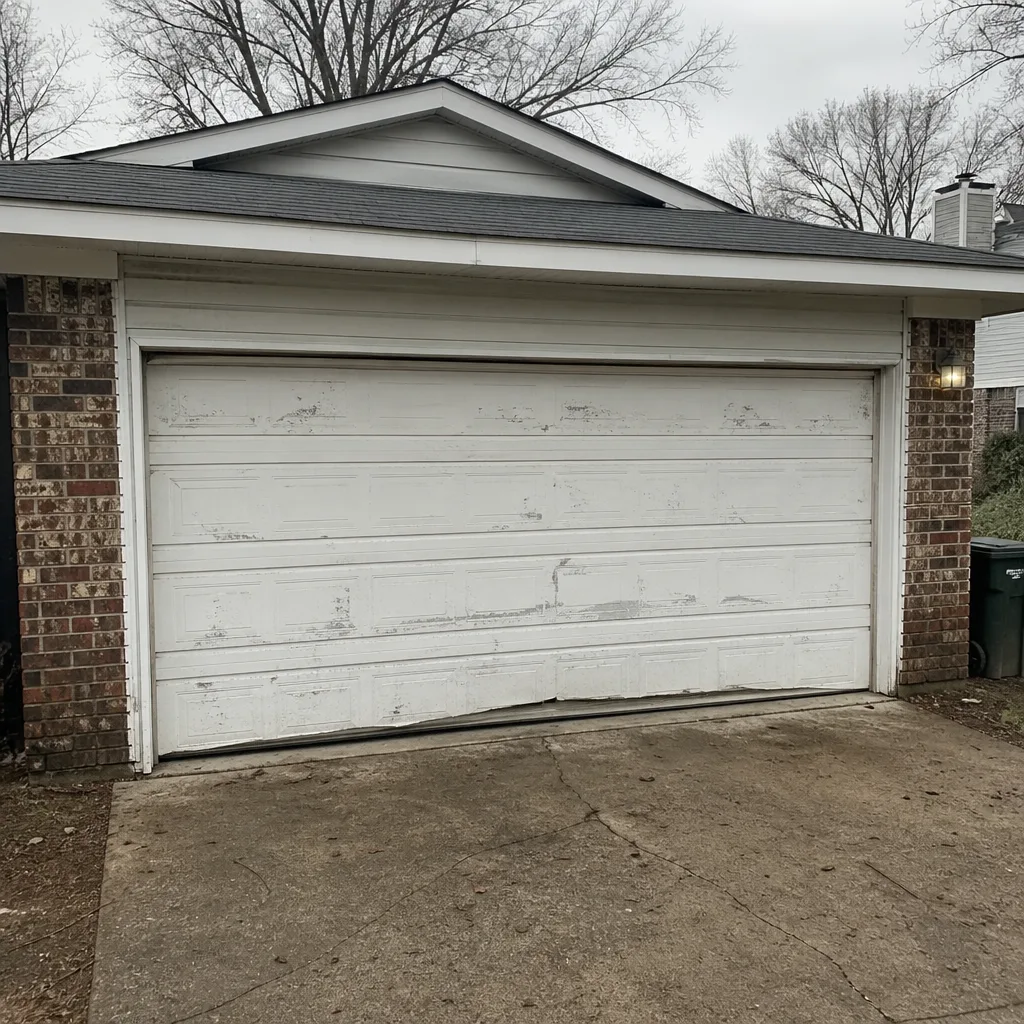 Before
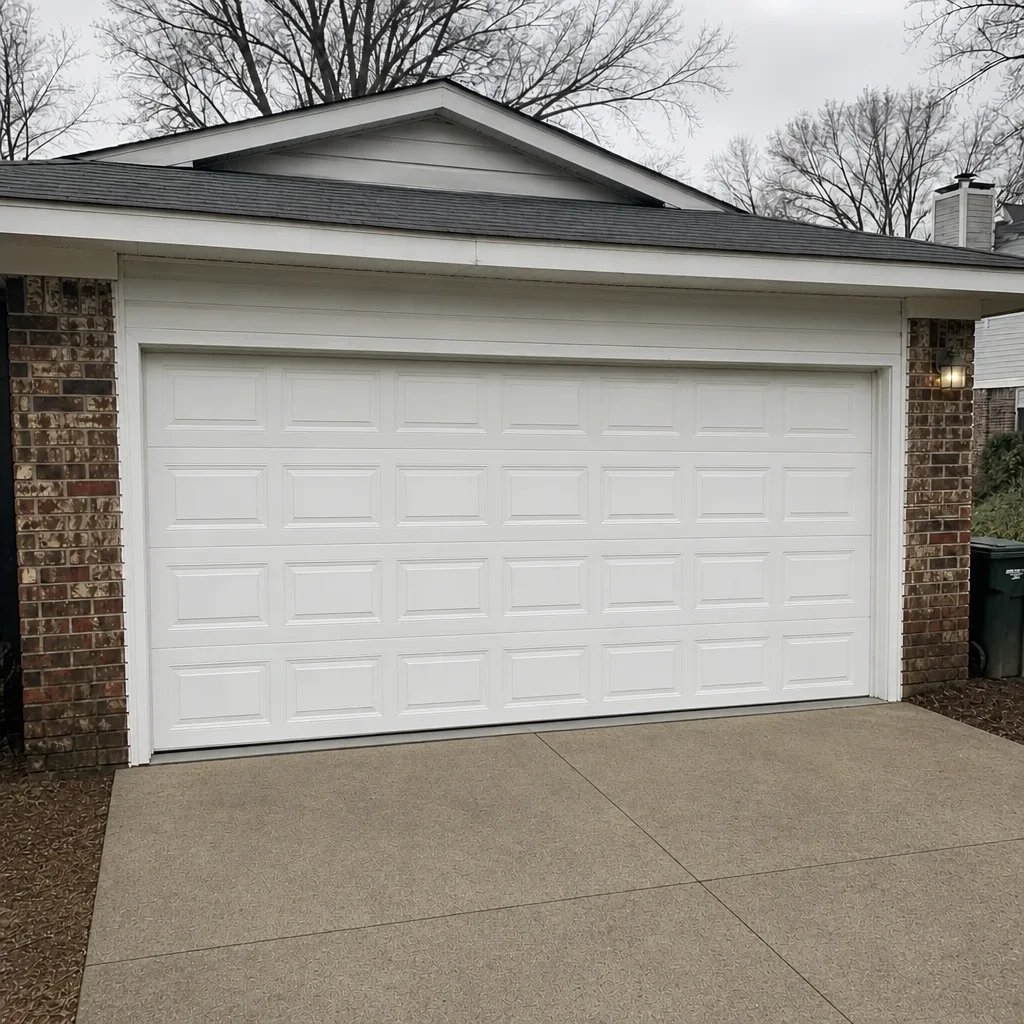 After
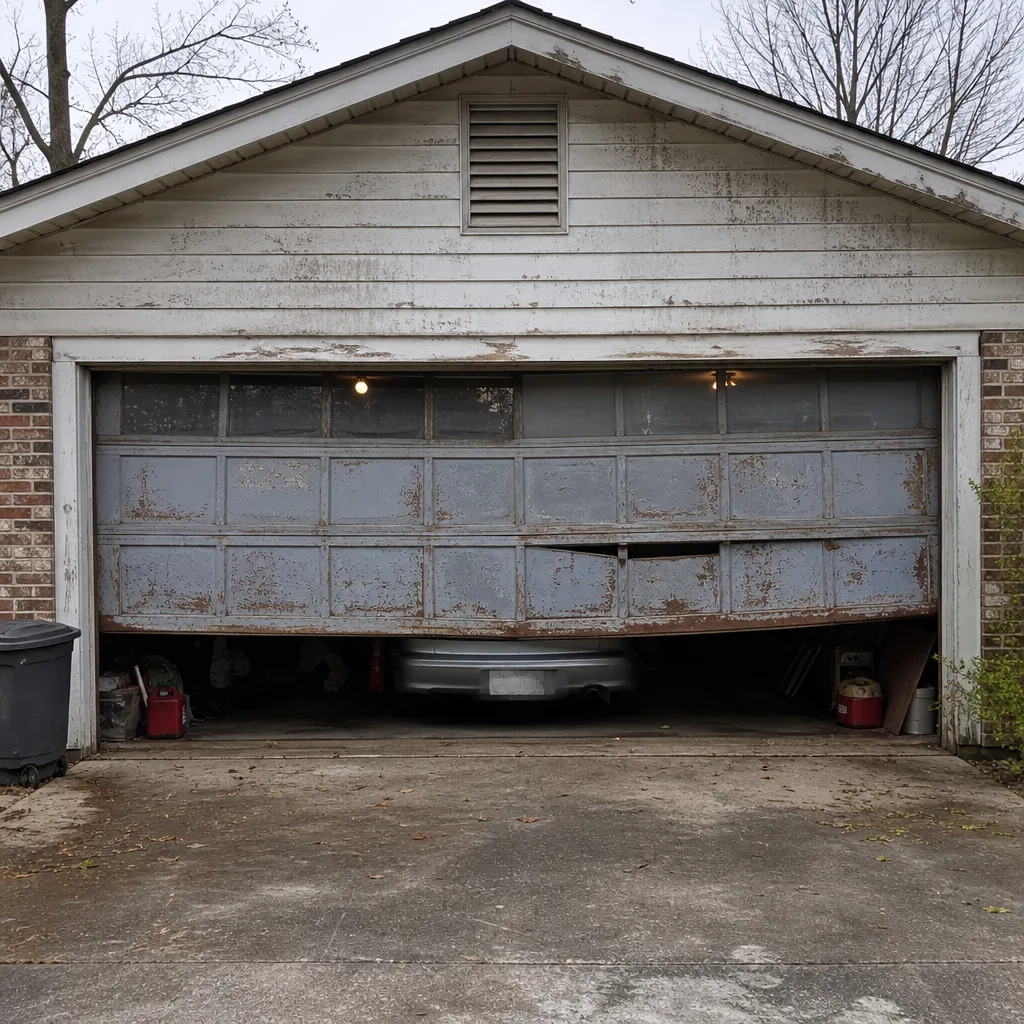 Before
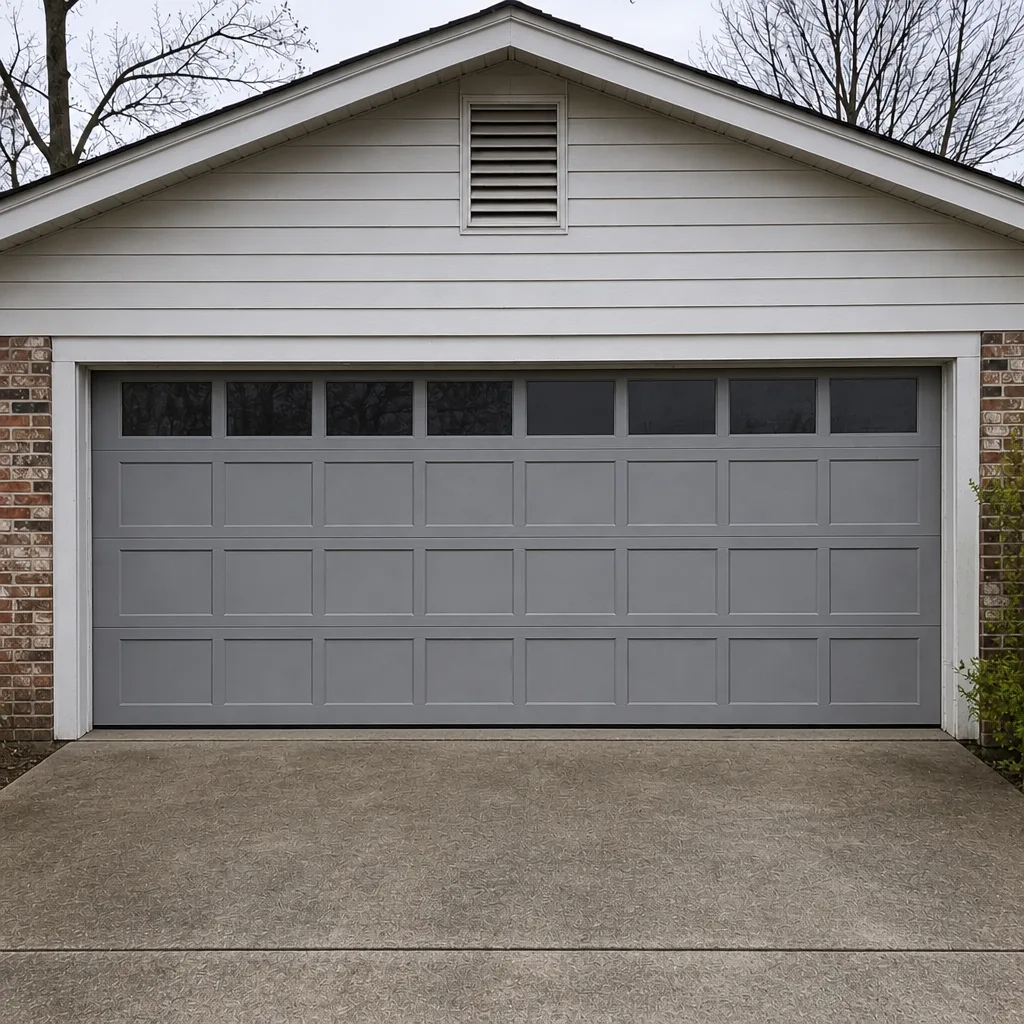 After
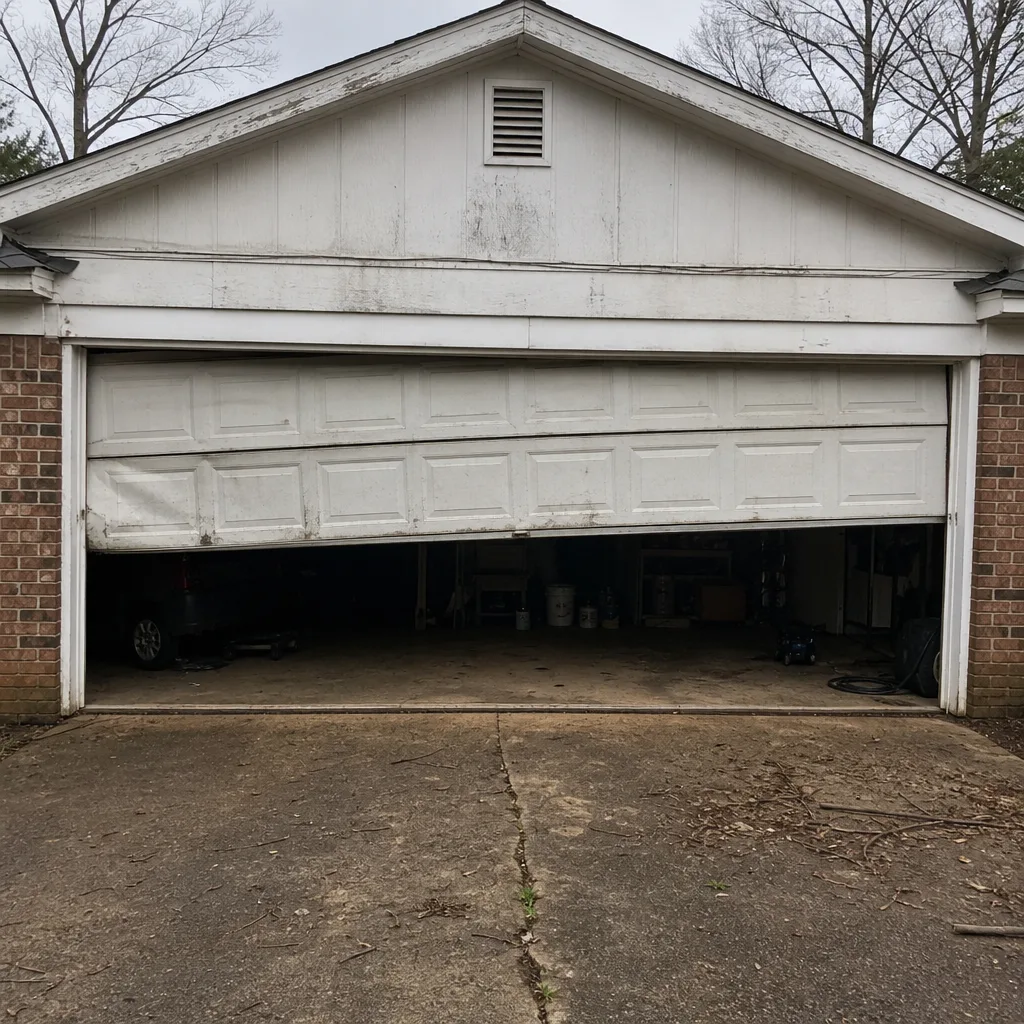 Before
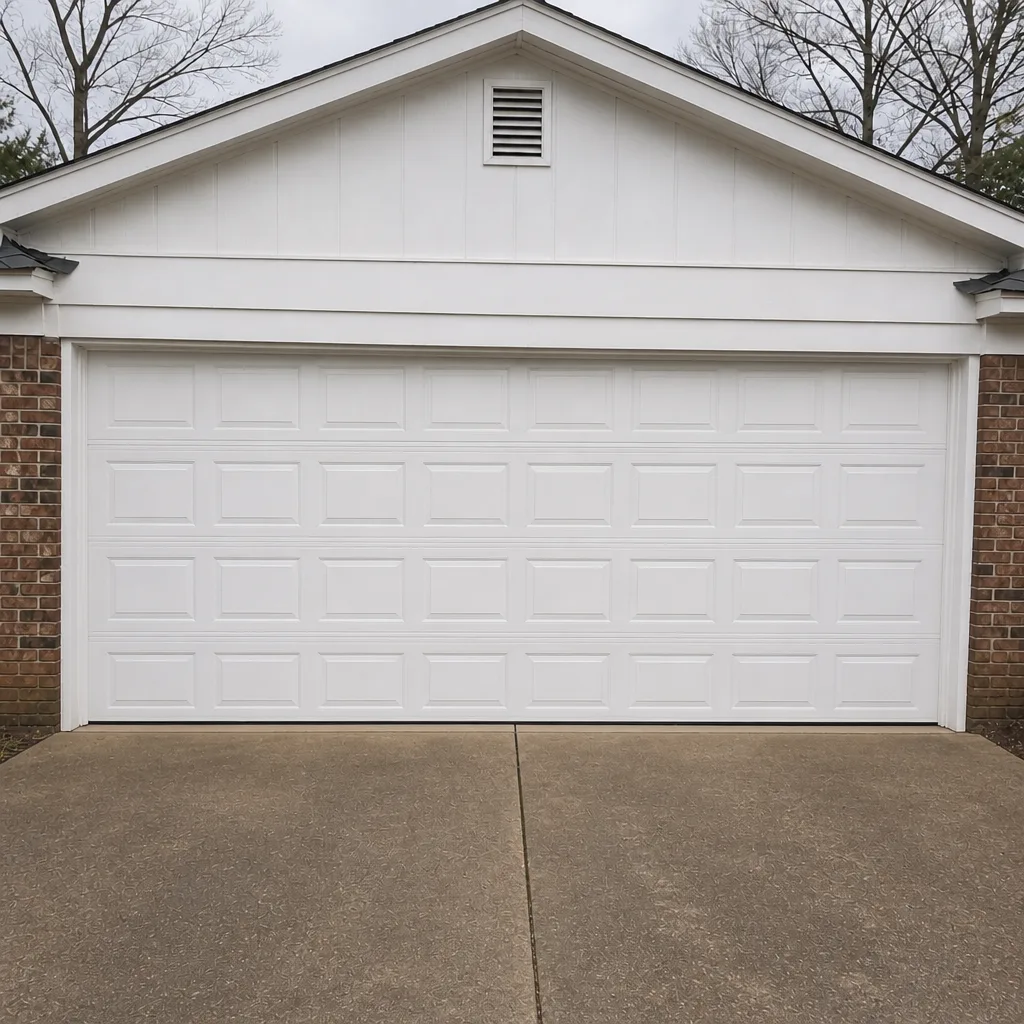 After
When to Call a Professional
Call a professional the moment a symptom lands in the “stop using the door” column of the table above. That includes any visible spring break or gap, a frayed or off-drum cable, a door that won’t hold half-open, a door that’s off its track, or a loud bang followed by a dead door. On the monitor-and-book side, call when a symptom has been present for more than two weeks, when the same repair has come back, or when the door’s behavior changes noticeably across seasons and you can’t pin down the cause. Springs and cables carry enough stored energy that the safety call isn’t optional. Prospect Garage Door Repair offers free estimates in Birmingham, so there’s no reason to sit on a symptom and hope it settles. Call (833) 946-3180 and get a real answer today. We answer 24/7, with fast dispatch from 7am to 7pm, Sunday through Friday.
Frequently Asked Questions
The most serious warning sign is a visible gap or break in the torsion or extension spring, followed by a door that won’t stay half-open when lifted by hand. Both mean the door has lost its counterbalance and the full weight is being carried by the opener or by you. Stop using the door and call a technician. Don’t try to test or adjust the spring yourself.
A hesitation before the door moves usually means the spring has started to fatigue and the door is heavier than it should be, so the opener is fighting inertia it wasn’t rated for. Other causes include a failing logic board, a sticking roller, or a binding track. The manual-disconnect test tells you which one, and a technician can confirm from photos. Call (833) 946-3180 for a free estimate. We answer 24/7.
That depends on which warning sign. A squeal or a squeaky roller can usually be monitored for a few weeks while you book a repair. A grinding sound on one side, a door that moves in jerks, or a door that reverses before reaching the floor should be booked within a few days. Any spring, cable, or off-track sign means stop now. Don’t guess; a two-minute call usually settles it.
Winter-only grinding is usually thickened lubricant on the rollers and hinges, or a spring that’s marginally under-tensioned and gets worse in cold weather. The cold makes everything shrink by a fraction, which exposes the tolerance problem. Clean and lubricated rollers fix the first case. A technician should check the second, because it’s the spring that’s actually failing. Call (833) 946-3180 to book a free estimate. Prices are confirmed before any work starts.
Repair usually makes more sense than replacement when one part is failing on an otherwise sound door. When the bottom panel has rusted through, two or more panels are dented, or a spring and an opener are both failing on a door more than fifteen or twenty years old, replacement often wins the math. We handle repair and installation, so the recommendation isn’t tilted toward either one. Call for a free written estimate.
Often, yes. A clear photo of the spring, the track, and the opener label, plus measurements of the door opening and the brand of the door and opener, is enough for a technician to give a starting estimate over the phone on most common repairs. When the photos don’t cover the situation, we say so plainly and book a visit for the free estimate. Either way, the price is confirmed before work starts.
We work across the eight major residential brands: LiftMaster, Chamberlain, Genie, Clopay, Amarr, Wayne Dalton, Craftsman and Raynor. That covers nearly every Birmingham garage door and opener we see. Knowing the specific brand matters for parts matching and diagnosis, and it’s the fastest way to avoid a generic fix that fails in six months. Call (833) 946-3180 and tell us the brand on the panel sticker.
The Bottom Line
Every warning sign on a garage door points to a specific cause, a specific severity, and a specific next step. A hesitation before movement is a balance problem, not a slow opener. A grind is a track or roller tolerance problem until proven otherwise. A bang is a spring. A door that won’t stay half-open is a stop-sign. And a seasonal-only symptom is a clue about the underlying cause, not a reason to wait out the season. Document the symptom with photos and measurements, note the brand of the door and opener, and call with the details, so you get a real quote instead of a shrug. That’s the difference between a fix that holds and a repair that comes back in six months.
For a written estimate on any garage door issue in Birmingham, call Prospect Garage Door Repair at (833) 946-3180. We answer 24/7. Fast dispatch from 7am to 7pm, Sunday through Friday. Free estimates, upfront pricing, and the price is confirmed before any work starts. Our technicians have up to 14 years of experience across the eight major brands. One call covers repair, opener repair and installation.
Written by the team at Prospect Garage Door Repair.