
Last updated November 15, 2026
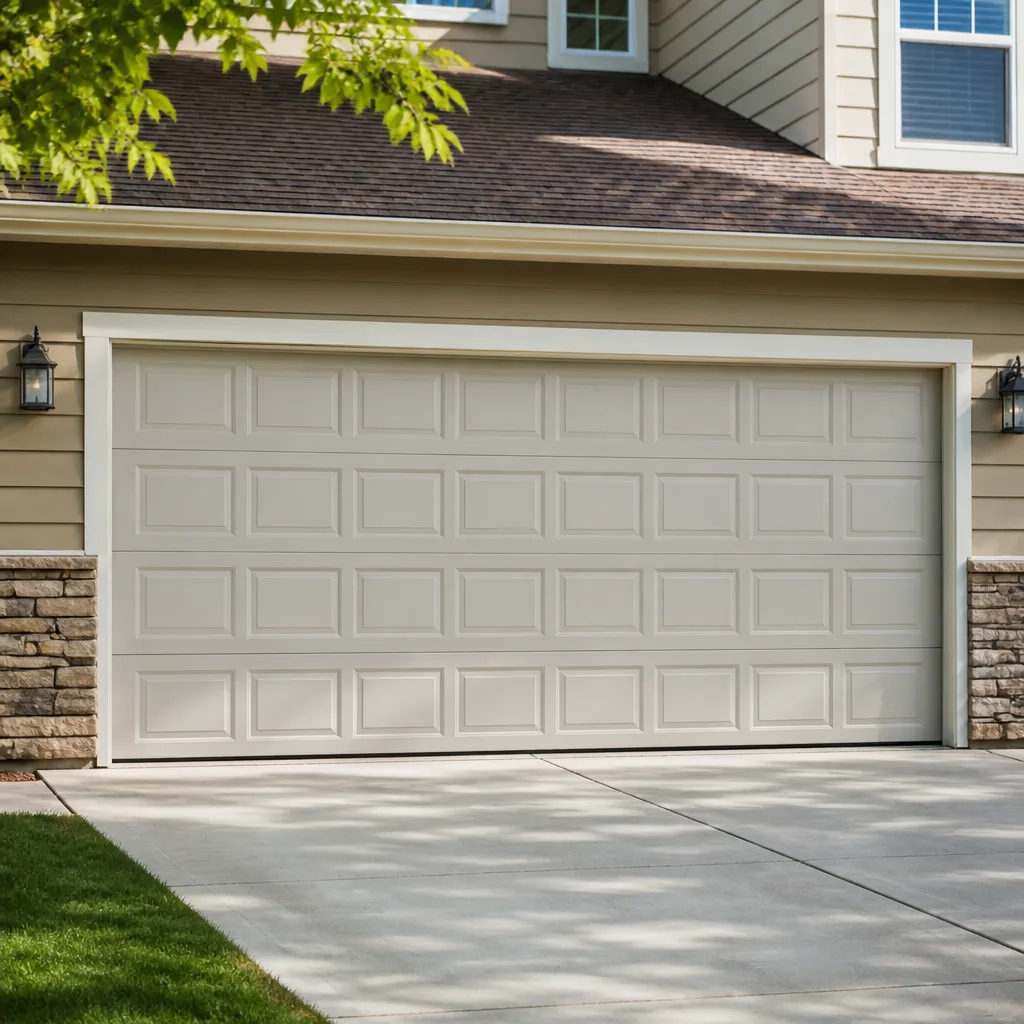 Raised-panel steel
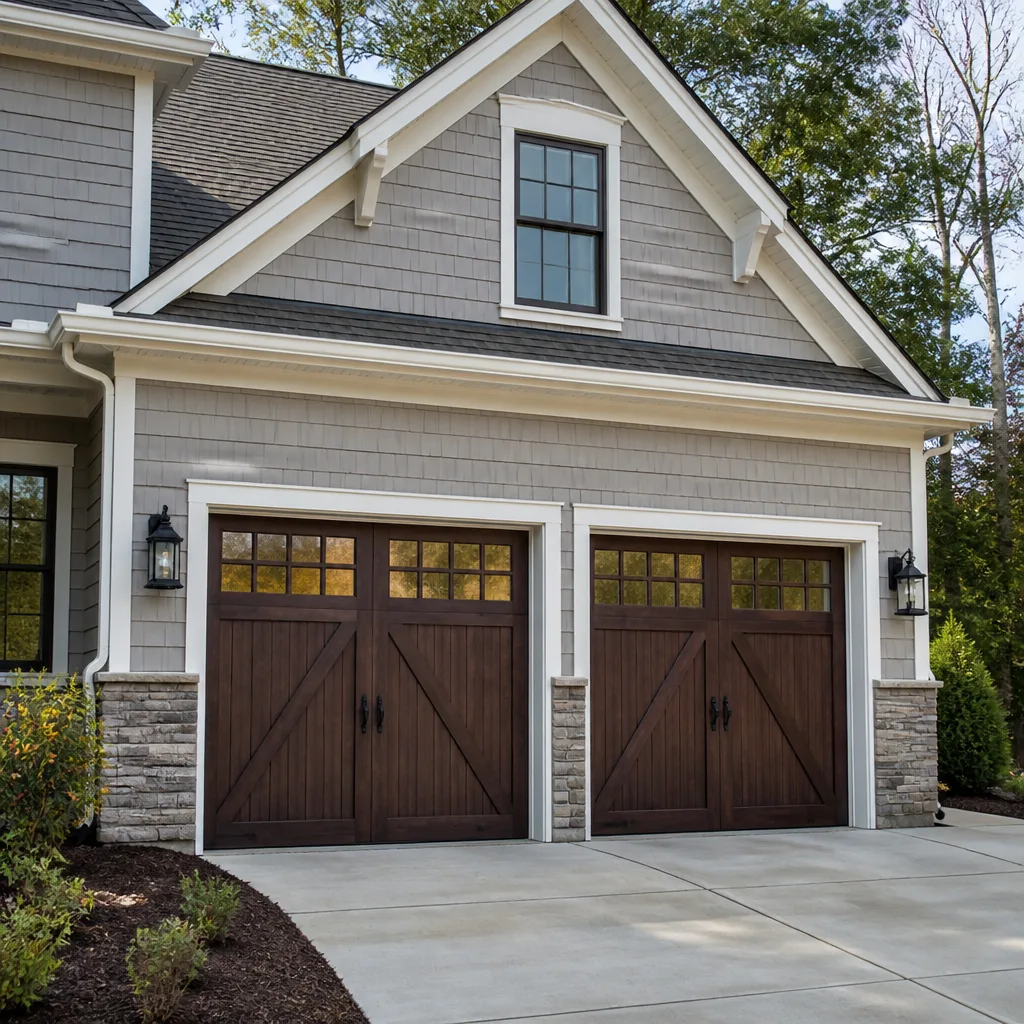 Carriage house
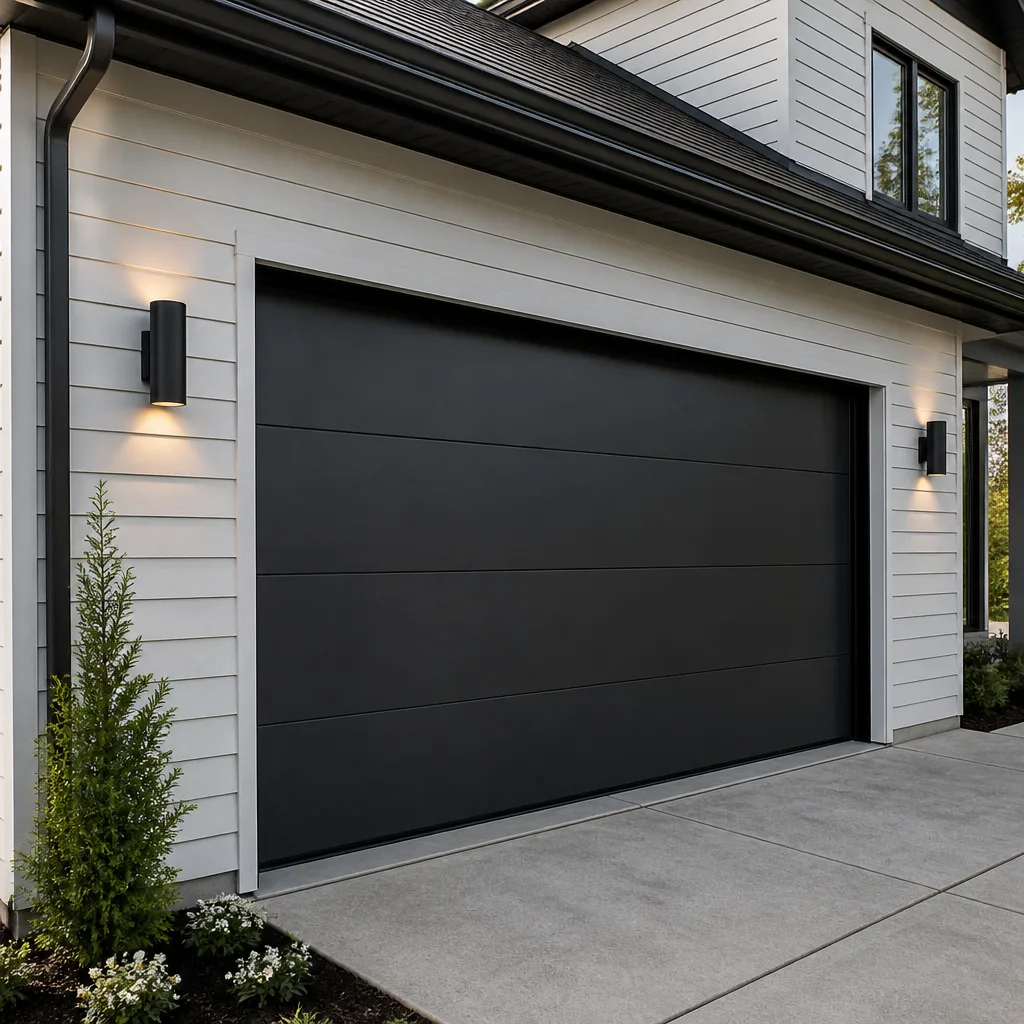 Modern flush
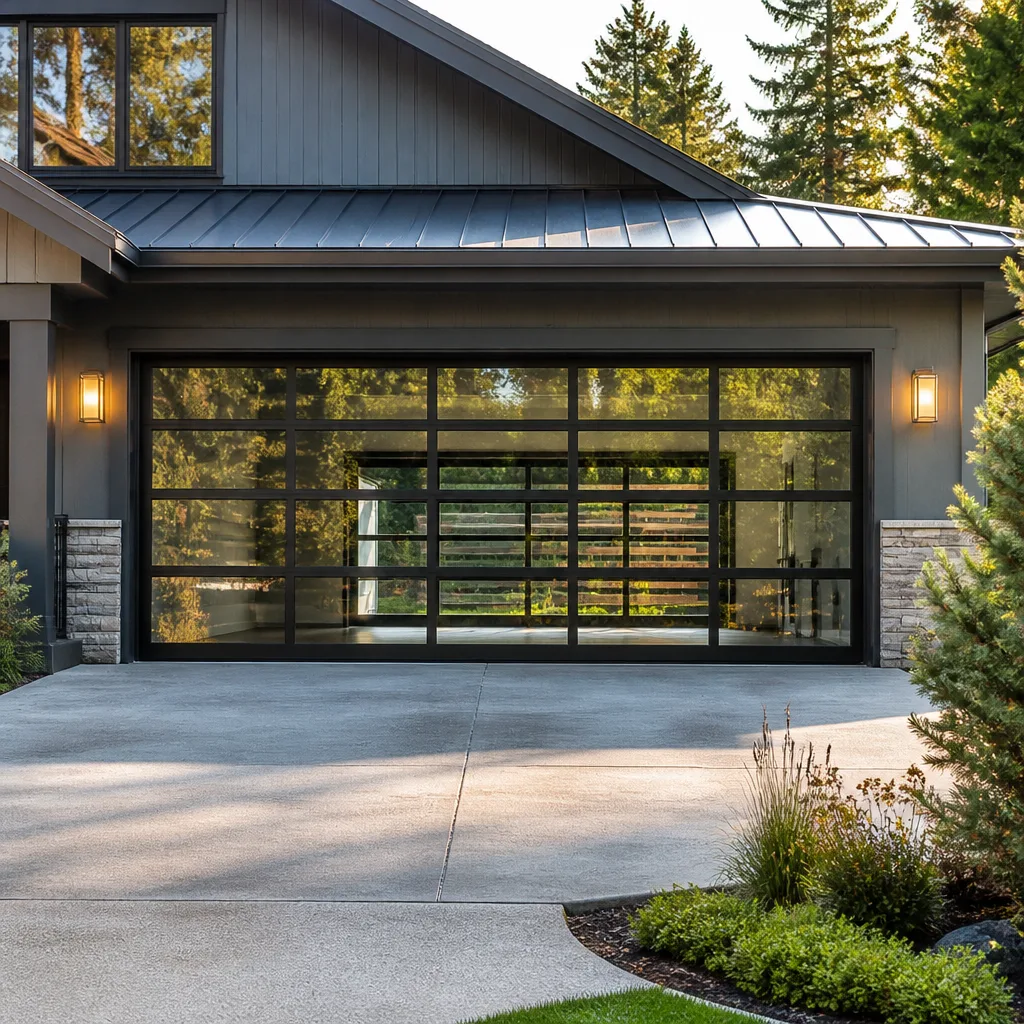 Full-view glass
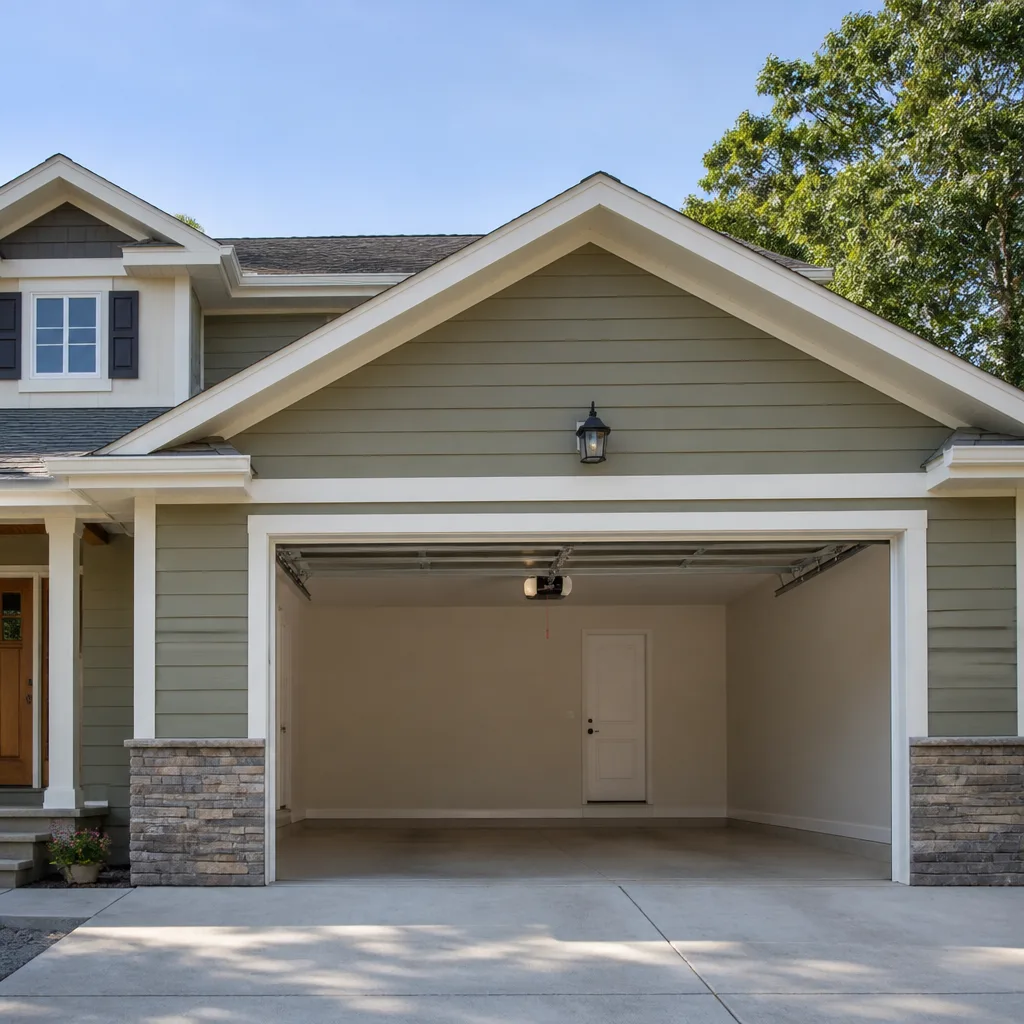 LiftMaster openers
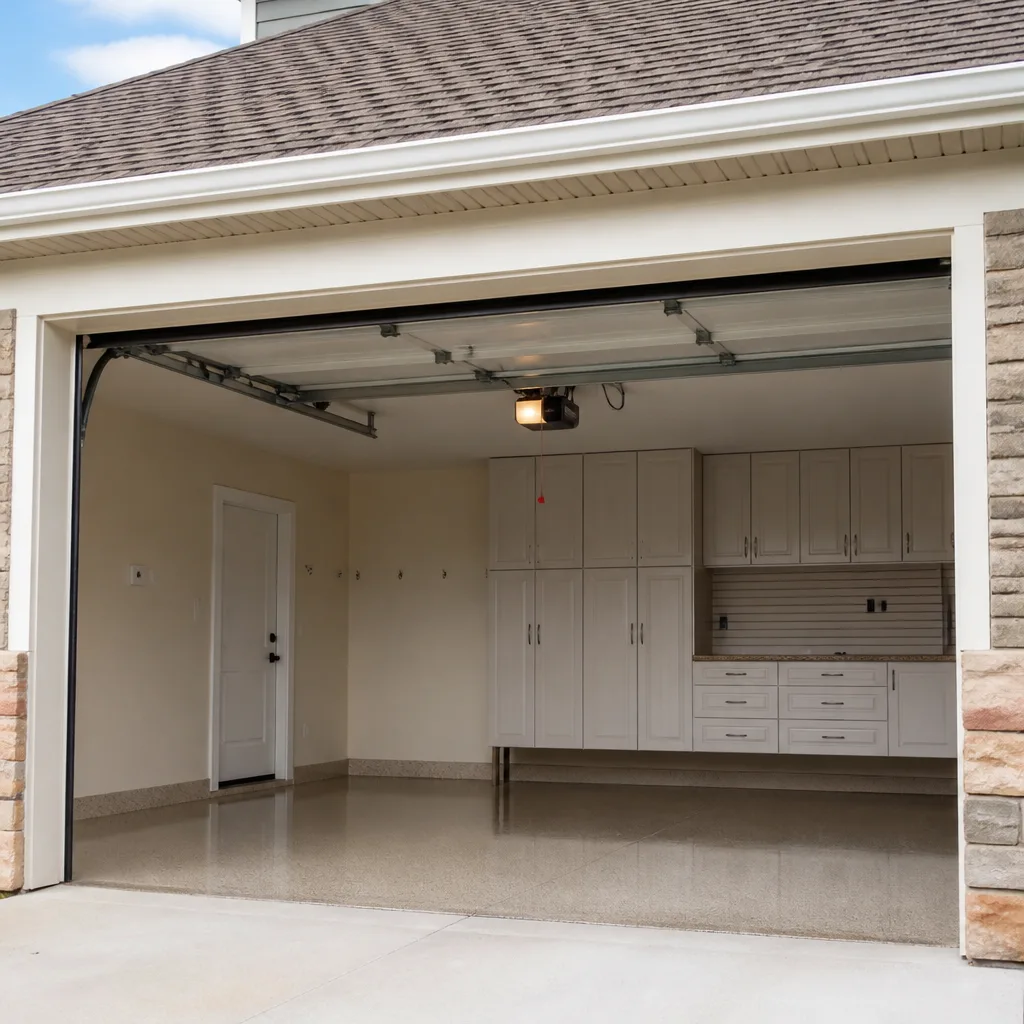 Chamberlain openers
Full 25-point door and opener safety check with every visit - springs, cables, rollers, tracks, and your LiftMaster or Chamberlain opener included
You get a price before we start. It does not change when the pro arrives.
Get your free estimateChoosing the Right Garage Door Brand: A Buyer’s Guide for Birmingham
The garage door brand with the loudest national advertising is often the wrong choice for a Birmingham home. That sounds backward, so here’s why. Door brands are engineered to national averages, then supported by whoever happens to stock and service them nearby. In Birmingham, that second part decides how a warranty actually works out when a panel cracks in July heat or an opener quits after a storm takes the power out. This guide walks through the criteria that matter here: corrosion resistance, thermal performance across our temperature range, UV coating life, opener battery backup, local parts stock, and the warranty language that quietly decides who pays. By the end you’ll know how to compare Clopay, Wayne Dalton, Amarr and the rest on facts, not slogans.
Quick Answer
For most Birmingham homes, the right garage door brand is the one with a local dealer who stocks replacement parts and honors the warranty in writing, built with a galvanized or corrosion-resistant steel skin and a UV-stable finish that holds up to Alabama sun and humidity. Amarr and Clopay are strong insulated-steel choices for the metro, Wayne Dalton works well where budget and availability matter, and the opener brand matters just as much: a LiftMaster or Chamberlain unit with battery backup keeps the door working through storm outages. The brand is only half the decision. Local support is the other half.
Styles & brands we work with
- Raised-panel steel
- Carriage house
- Modern flush
- Full-view glass
- LiftMaster openers
- Chamberlain openers
Table of Contents
- Why Brand Choice Works Differently in Birmingham
- Clopay, Wayne Dalton, Amarr and CHI Compared
- Steel Gauge, Insulation and Wind Load: What Birmingham Homes Actually Need
- Opener Brands: Battery Backup and Smart Home Reliability
- How to Check Local Parts Availability Before You Buy
- The Warranty Fine Print That Matters in Alabama Humidity
- Repair or Replace? How Brand and Age Factor In
- A Step-by-Step Way to Evaluate Any Brand
Why Brand Choice Works Differently in Birmingham
A garage door brand is a manufacturing label, not a service network. The factory builds panels and hardware to specifications that make sense across a huge country. Then the door gets installed by a local company and, someday, repaired by whoever is closest and stocks the right parts. Those two things rarely line up perfectly. Birmingham sits in a climate that stresses doors in specific ways: summer humidity that works on every seam and fastener, intense UV that fades and chalks cheap finishes, and a winter cold snap that can drop into the twenties. National average specs are built for a gentler middle. A door that performs fine in a dry climate can show finish wear and hardware corrosion here in a few seasons if the coating and the fasteners aren’t up to it.
None of that means the big names are wrong for Birmingham. It means you have to read the spec sheet instead of the brochure. Clopay, Amarr, Wayne Dalton and CHI all build doors that hold up in the South when you choose the right model line. The difference between their entry lines and their better lines is exactly the stuff that matters here: steel treatment, insulation, coating system, and hardware finish.
There’s a second layer too, and it’s the one homeowners underestimate. When a hinge, roller or bottom seal fails on a specific brand, the repair depends on whether that part is on a shelf within driving distance. If it has to ship, your door sits open or stuck for days. So the practical question isn’t just “which brand is best” but “which brand is best supported where I live.” A brand with strong local dealer stock beats a slightly better-spec brand with no local support, every time.
We work on all of these brands daily, from the spring to the smart opener, and the honest answer to “which brand” almost always comes down to three things: what your wall can take, what your budget allows, and who near you can service it. Keep those in view for the rest of this guide.
Clopay, Wayne Dalton, Amarr and CHI Compared
These four brands cover most of the residential market in the Birmingham area, and comparing them on the specs that matter to an Alabama home is more useful than comparing star ratings from shoppers in other states. Here’s how they line up on the three criteria this climate punishes: corrosion resistance, thermal performance, and coating durability.
- Clopay – The widest model range of the group. Their insulated steel lines are a common fit for Birmingham homes that want a quiet, temperature-buffering door, and the finish systems on their better lines handle UV well. Availability for replacement sections and hardware is generally good through local dealers.
- Amarr – Strong on value and on insulated steel construction. Many Amarr models use galvanized steel with a baked-on finish that resists humidity-driven corrosion, and their lines scale from basic to well-insulated. A dependable choice where you want solid specs without the premium price.
- Wayne Dalton – Known for a broad range and for models that fit a tight budget or a nontraditional opening. Their insulated lines perform well, but the model tier matters a lot: the base lines use lighter-gauge steel and simpler coatings than the premium lines, and in Birmingham’s humidity that difference shows up over time.
- CHI – A regional-leaning brand with a reputation for heavier-gauge steel in their better lines and a range of insulated options. Good fit where you want a substantial door and can confirm local dealer stock before ordering.
Thermal performance across our 20°F to 95°F swing is where insulation pays for itself. An uninsulated single-layer steel door is a thin sheet of metal between your garage and the outside; it radiates heat in summer and cold in winter, and it’s loud. A door with a polystyrene or polyurethane core damps sound and buffers the attached garage, which matters if you use that space for anything but parking.
On coating durability, the differences are real but subtle. Look for a multi-layer finish: a base coat, a finish coat, and ideally a top coat. Single-coat finishes fade and chalk faster under Birmingham sun. Hardware finish matters too. Galvanized or zinc-plated hinges, rollers and fasteners resist humidity corrosion far better than bare steel, and that’s the difference between hardware that lasts and hardware that seizes in a few seasons.
Compared side by side, the honest summary is that Amarr and Clopay give you the most predictable support for insulated-steel doors in the metro, Wayne Dalton gives you range and value if you watch the model tier, and CHI gives you heavier steel where you can confirm stock. None of them is a mistake. The mistake is choosing a brand and model without checking the tier and the local support.
Steel Gauge, Insulation and Wind Load: What Birmingham Homes Actually Need
Specs only help if you know which ones to prioritize for your house, and that depends as much on where in the metro you are as on budget. Steel gauge, insulation R-value and wind load rating each solve a different problem, and in Birmingham the priorities shift between the urban core and the tornado corridor stretching through Shelby County.
Steel Gauge
Gauge is metal thickness, and lower numbers mean thicker steel. A 24- or 25-gauge door is the common builder-grade choice; 27-gauge and above is thinner and more prone to denting. For a Birmingham home where doors face afternoon sun and the occasional storm-borne debris, stepping up to a thicker gauge on the faces makes sense, especially on a two-car door with a wide span. Thicker steel resists denting and holds its shape better over years of heat cycling.
Insulation R-Value
R-value measures how well the door resists heat flow. Single-layer doors have essentially none. Insulated doors run from modest values with polystyrene cores up to higher values with polyurethane. In Birmingham, the practical reason to care isn’t heating bills, it’s the garage itself. An insulated door keeps an attached garage noticeably less brutal in August and less cold in January, and it kills the hollow drumming sound an uninsulated door makes. If your garage shares a wall with living space, insulation is worth the extra cost.
Wind Load Rating
Wind load ratings describe how much pressure a door can take before it fails. This is the spec that divides the metro. A standard door is engineered for typical conditions. Homes in Shelby County’s tornado corridor, and anywhere the door faces an open lot or a long fetch of wind, benefit from a reinforced door and heavier-duty track and hardware. Reinforced struts, thicker track and better anchoring all raise the wind-load capacity. Urban Birmingham homes tucked between others often need less, though a door on a corner lot or exposed side warrants a look.
Sort your priorities like this:
- If the garage is attached and you care about comfort or noise, prioritize insulation.
- If the door faces open ground or you’re in the tornado corridor, prioritize wind-load reinforcement and heavier track.
- If the door is in full afternoon sun, prioritize coating layers and hardware finish.
- If budget is tight, prioritize a thicker-gauge steel face over premium insulation; you can’t add steel later, but you can live with a simpler core.
For homes across Birmingham, the combination that most often makes sense is an insulated steel door in a boosted gauge with a multi-layer finish and galvanized hardware. That covers humidity, UV and everyday impact in one package.
Opener Brands: Battery Backup and Smart Home Reliability
The opener brand deserves as much scrutiny as the door, and for Birmingham specifically, battery backup is the spec to lead with. Storm-driven outages are a fact of life here, and a door you can’t open when the power is out is a real problem if it’s your only way in or out of the garage. LiftMaster, Chamberlain, Genie and Craftsman all offer models, but the battery-backup feature is not standard across every line, so you have to ask for it.
- LiftMaster – A common professional-grade choice, with battery-backup models widely available and a strong ecosystem for smart integration. Parts and service are easy to find locally, which shortens repair windows.
- Chamberlain – Consumer-focused sibling to LiftMaster, with battery-backup options and good smart-home support through a mature app. Widely available, and parts are easy to source.
- Genie – Solid residential lineup with battery-backup models and reliable smart features. A dependable choice where you want straightforward operation.
- Craftsman – Familiar to many homeowners and generally serviceable, though smart-home support varies more by model. Worth checking the specific unit’s connectivity before you commit.
On smart home reliability, the differences come down to the app and the radio. Doors that use a modern Wi-Fi or Bluetooth bridge tend to work more predictably than older units that rely on add-on modules. If you plan to integrate with a smart assistant or schedule, check that the model supports it natively rather than through a separate hub you have to buy and keep working.
Belt versus chain drive matters for noise. A belt drive runs quieter, which matters if a bedroom sits above the garage. A chain drive is louder but durable and often cheaper. Screw drive sits in between. In a Birmingham home where the garage is under living space, belt drive is usually worth the upgrade.
One more spec to check: the safety reverse system. Every opener sold today has one, but it has to be tested and adjusted correctly at installation. A door that doesn’t reverse on contact is a hazard, and it’s one of the first things a technician checks. If you’re researching opener repairs specifically, our garage door opener repair guide covers the common failure points and what a fix involves.
How to Check Local Parts Availability Before You Buy
This is the step almost every buyer skips, and it’s the one that decides whether your warranty becomes a real repair or a waiting game. Parts availability varies by brand and by dealer, and a part that’s in stock locally can turn a two-day fix into a two-week one when it has to ship. Before you sign a contract, ask the installing company three questions.
- Which parts for this brand are stocked locally? Ask specifically about the parts most likely to fail: hinges, rollers, bottom seals, and a replacement section. If they can name a local source, that’s a good sign.
- When a section or panel is damaged, what’s the lead time? A common panel for a common brand and size is usually quick. A discontinued color or an uncommon size can take far longer. Ask for a realistic window in writing.
- If warranty work is needed, who handles it? Some brands route warranty claims through the manufacturer with a local dealer doing the work. Others leave the homeowner to chase it. Ask which it is before you buy.
Aftermarket and OEM parts are another wrinkle. Some brands have broad aftermarket support, which means alternatives exist for common parts and repairs move faster. Others lean on OEM parts only, which is fine when the local dealer stocks them and slow when they don’t. A brand-agnostic technician works with whatever is on the door in front of them, but a homeowner choosing a new door should try to pick a brand that’s easy to keep running.
You can also ask the installer to show you the brand’s local dealer network, or check the manufacturer’s site for authorized dealers near your address. If the nearest authorized service point is far away, treat the warranty as a promise that depends on shipping. For something as simple as a bottom seal or a hinge, that’s an annoyance. For a damaged top section that leaves the door unusable, it’s a real disruption. Birmingham homes deserve a door that is easy to fix, not just easy to buy.
The Warranty Fine Print That Matters in Alabama Humidity
A garage door warranty is usually split into sections with different lengths: the finish, the steel, the hardware, and the opener. The sections that matter most in Alabama humidity are the finish and the steel, and the fine print that voids them is where homeowners get surprised. Read the warranty before you buy, not after.
Common exclusions you’ll see:
- Finish voids from improper cleaning. Some warranties require a specific cleaner or prohibit power washing. Abrasive cleaners and high-pressure water can void a finish claim.
- Coastal or salt exposure carve-outs. Many warranties exclude damage from coastal or salt environments. Birmingham isn’t coastal, but the wording still tells you what the manufacturer is worried about, and it pays to know whether a nearby body of water or road salt could trigger an exclusion.
- Installation defects voided by improper adjustment. If a door is installed out of square or the springs are misadjusted, warranty claims on panels and hardware can be denied because the failure traces to installation. This is why a careful install matters as much as the brand.
- Owner modification and DIY repairs. Drilling panels for a child safety device, adding a strut incorrectly, or replacing a spring yourself can void coverage on the affected parts.
- Hardware exclusions. The steel and finish often carry the long warranties, while hinges, rollers and springs carry much shorter ones, or none. Springs are typically treated as wear items.
The other half of the warranty question is who honors it. Some brands have strong local dealer networks where a claim is handled by a nearby professional. Others push the claim back to the manufacturer, which can mean paperwork, shipping a part back, and a long wait. Ask the installing company directly which path a warranty claim takes, and whether they’ll handle it or hand it off. A warranty honored by a local dealer who stocks parts is worth far more than a longer warranty honored by nobody nearby. When you’re comparing garage door repair options, that local service path is part of what you’re paying for.
Repair or Replace? How Brand and Age Factor In
Brand choice doesn’t stop mattering once the door is up. It shapes the repair-or-replace decision years later, because the parts that fail and the cost to fix them depend on the brand and how well it’s supported. A door that’s easy to repair is worth keeping; a door whose parts are scarce and expensive can push you toward replacement sooner than you’d like.
Here’s how a typical decision goes:
- Age and part availability. If the door is older and the brand still stocks sections and hardware locally, repair often wins. If the brand has discontinued that model and parts are scarce, replacement may be the better use of money.
- Type of failure. A broken spring, a failed opener, a seized hinge or a worn roller are all repairable and usually worth fixing. A badly dented or rotted-out panel that can’t be matched can tip the balance toward a new door.
- Cost ratio. If the repair cost is a large fraction of a new door, replacement makes more sense, especially if the existing door is uninsulated or the finish is failing.
- Safety and compliance. If the door lacks a working safety reverse system, that has to be addressed regardless of brand.
A company that installs and repairs across brands can give you an honest answer on this, because they aren’t pushing a single outcome. That matters. If the only solution offered is a new door, ask why. If the only solution offered is a patch, ask how long it will last. For homes in Birmingham, we’ve seen plenty of doors saved by a spring, a set of rollers and a hinge, and plenty where the honest call was replacement. The brand tells you how much repair is possible; the wrench tells you what’s actually wrong.
A Step-by-Step Way to Evaluate Any Brand
Use this sequence the next time you’re comparing garage door brands, whether you’re at a showroom, online, or talking to an installer. Each step is a question you can ask and a check you can run. It takes a little time and saves a lot of hindsight.
- Write down the exact model, not just the brand. Brands sell multiple tiers. A base model and a premium model from the same brand can differ in gauge, insulation and coating. Compare like with like.
- Check the steel and the finish. Ask for the gauge, whether the steel is galvanized, and how many finish coats the door carries. Two or three layers beat one in Birmingham sun.
- Confirm the insulation and the R-value. If you use the garage as anything but a parking space, insulation matters. Ask for the core material and the R-value.
- Ask about wind load. If you’re in the tornado corridor or on an exposed lot, ask what reinforcement the door and track include.
- Check opener battery backup. If you’re replacing the opener too, confirm the model has battery backup. If it’s an add-on, price it in.
- Verify local parts and dealer support. Use the three questions from the parts section. If the answers are vague, take that into account.
- Read the warranty sections separately. Finish, steel, hardware and opener each have their own terms. Look for exclusions that could bite in a humid climate.
- Get a written estimate before you commit. A written price that includes the model and the install scope is the only number that counts.
Whether it’s a Prospect Garage Door Repair visit or a conversation with another installer, this outline gives you a fair basis for comparison. A brand-agnostic technician can help you read a spec sheet and sort out what actually matters for your house, without steering you toward the one brand they happen to sell. If you’d rather skip the research and get a straight answer, our team works across the major residential brands and can talk through the trade-offs in plain terms, and our garage door repair team is available when a door already needs work.
Common Mistakes to Avoid
- Choosing on brand name alone. A brand’s reputation is the sum of its best models, not its cheapest ones. Ask which tier you’re buying and compare that model against the other brand’s equivalent. In Birmingham, the comparison has to include humidity and UV performance, not just reviews.
- Skipping local parts checks. A great door with no local parts support is a door that’s hard to fix. Ask where the most common replacement parts are stocked before you sign. A panel that has to ship can leave your garage exposed for days.
- Ignoring the opener’s battery backup. Storm season here means outages, and a door you can’t open when the power is out is a safety and access problem. Confirm battery backup is part of the opener model, not an optional add-on you’ll add later and never get around to buying.
- Reading only the brand’s marketing site. The spec sheet and the warranty document tell you more than the brochure. Marketing pages rarely mention gauge, coating layers or what voids the finish warranty. The fine print does.
- Under-buying steel to save a little. A thinner-gauge door is the easiest place to trim cost and the hardest thing to fix later. You can’t add steel to a stamped panel. In a hot, humid climate with storm exposure, the face thickness shows up in dents and finish wear.
- Buying too much door for the house. The opposite mistake is saddling a modest home with a premium model that doesn’t match its openings or its budget. The right door is the one that fits the wall, the budget and the local support, not the one with the biggest R-value.
- Skipping the written estimate. A verbal price isn’t a price. Get the model, the scope and the total in writing before any work starts. That’s the number that governs the job.
See the difference
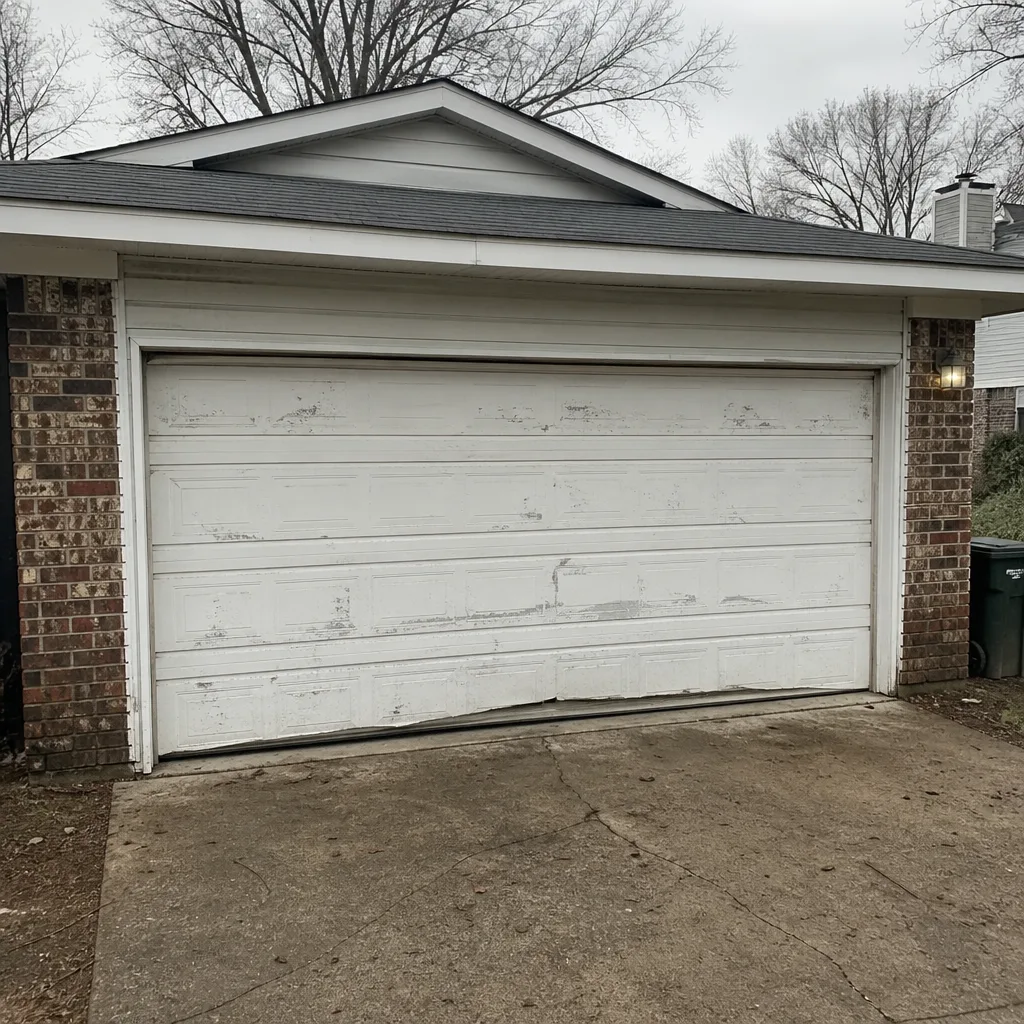 Before
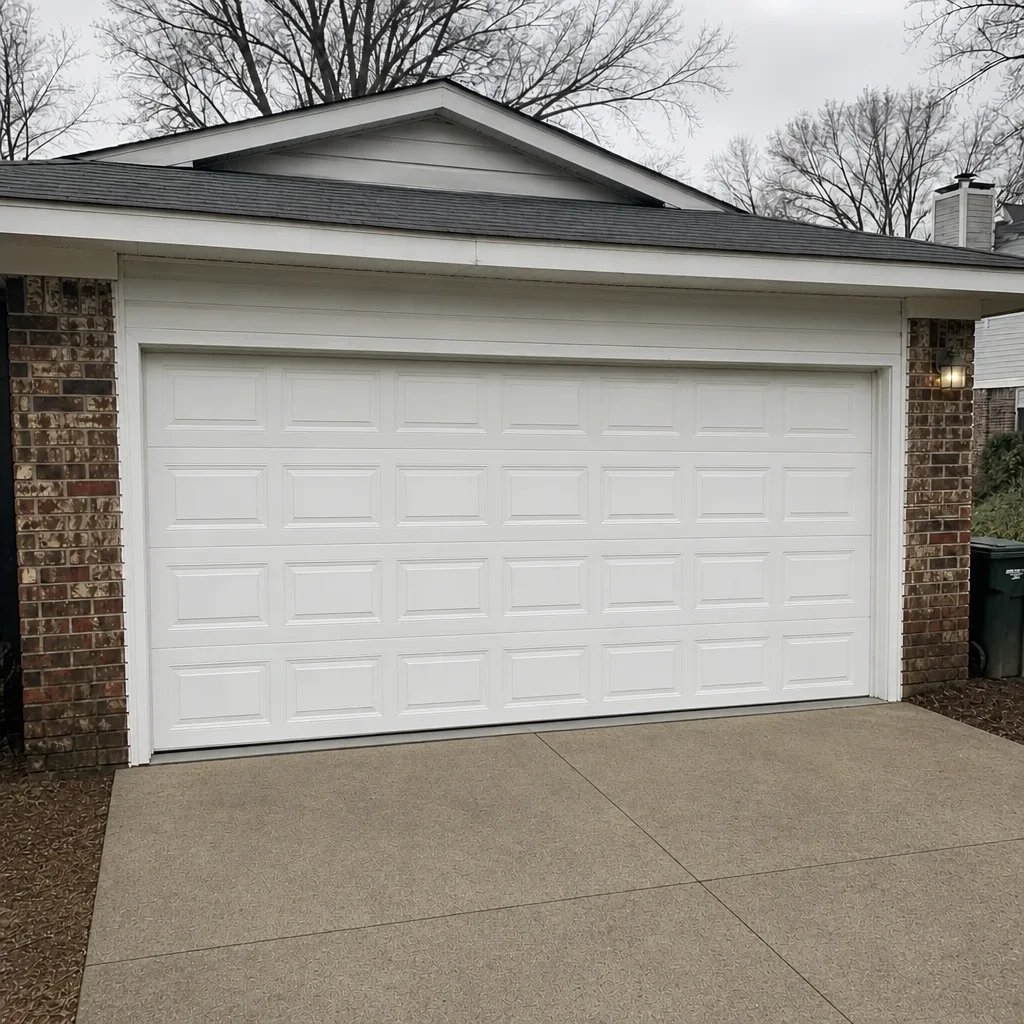 After
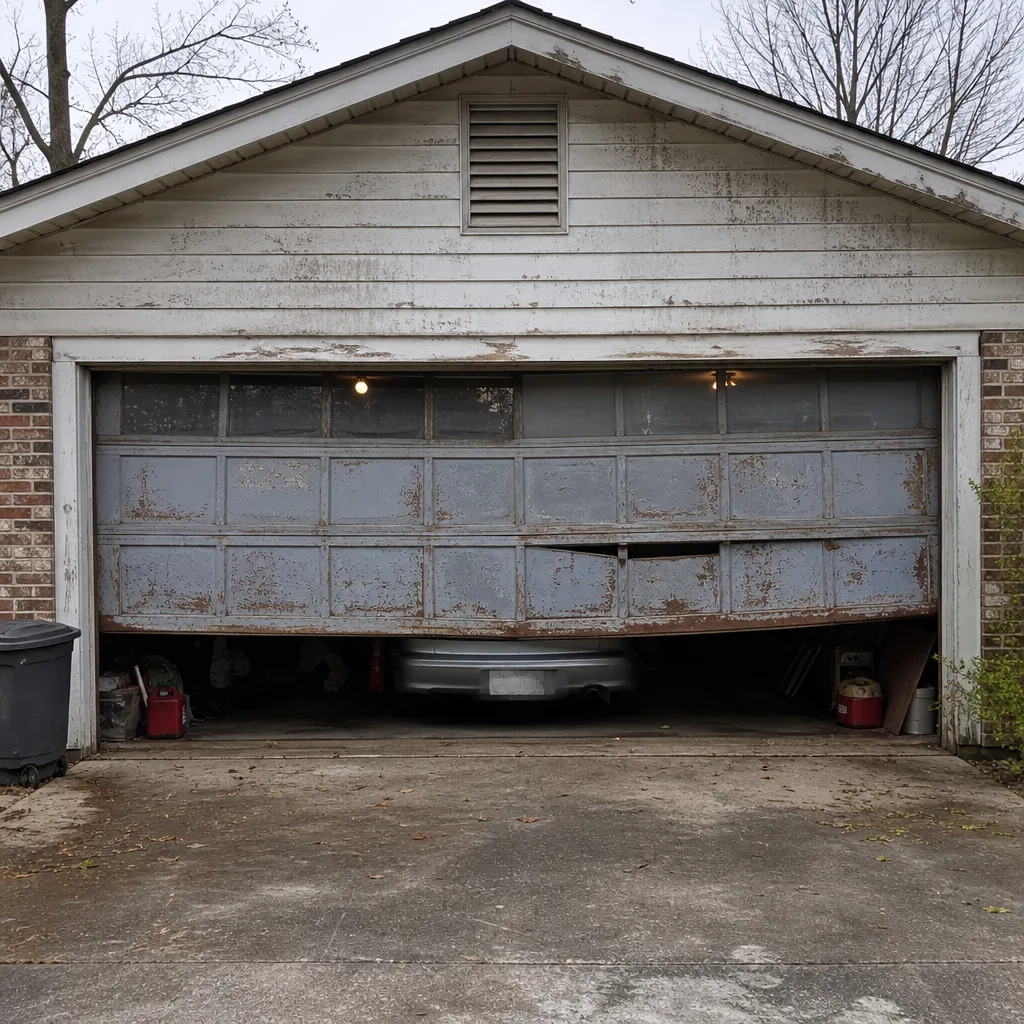 Before
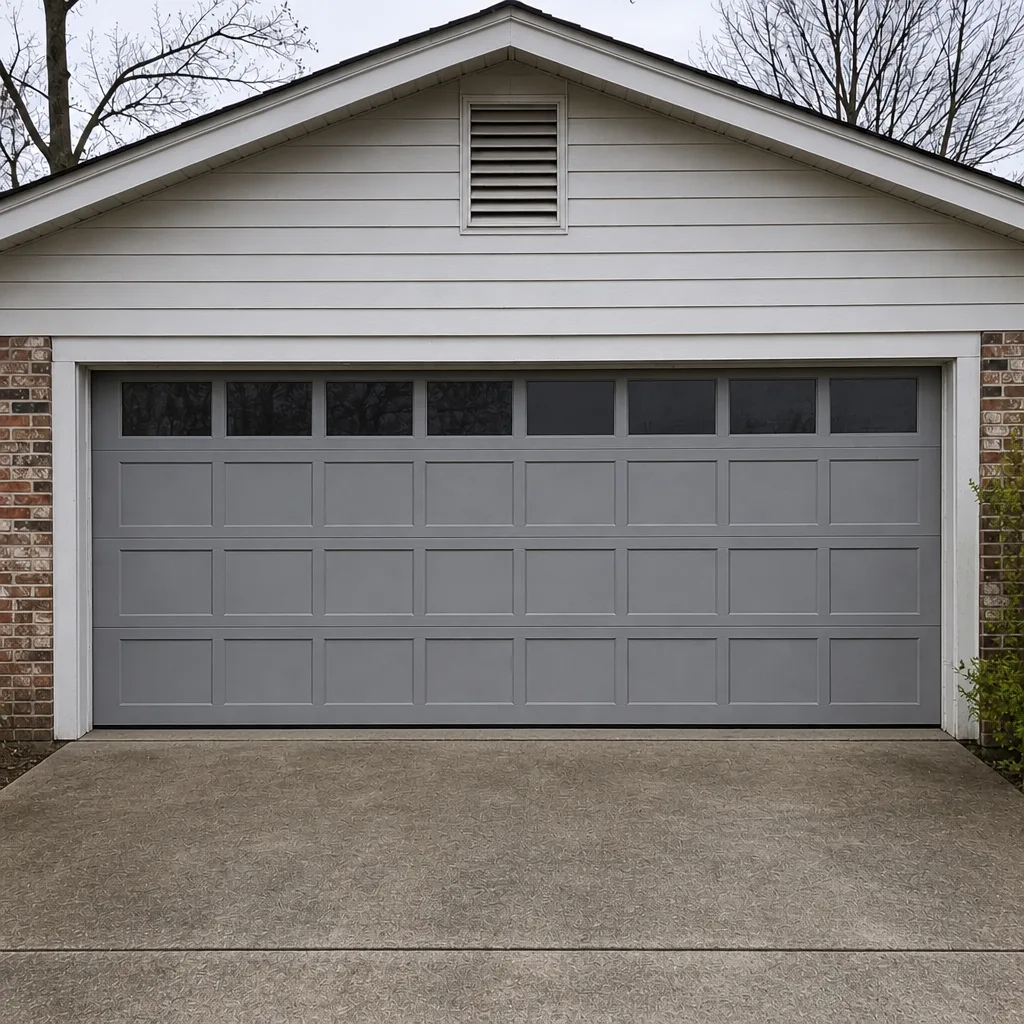 After
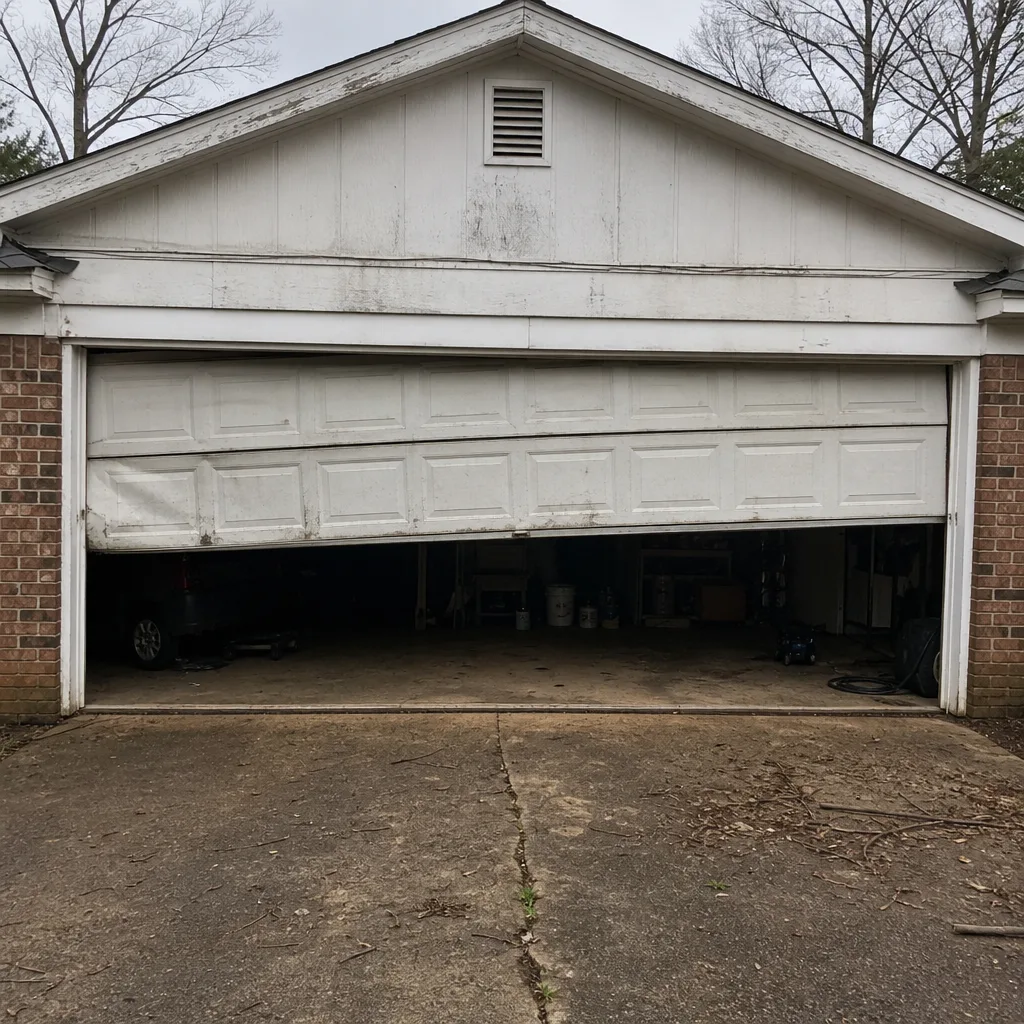 Before
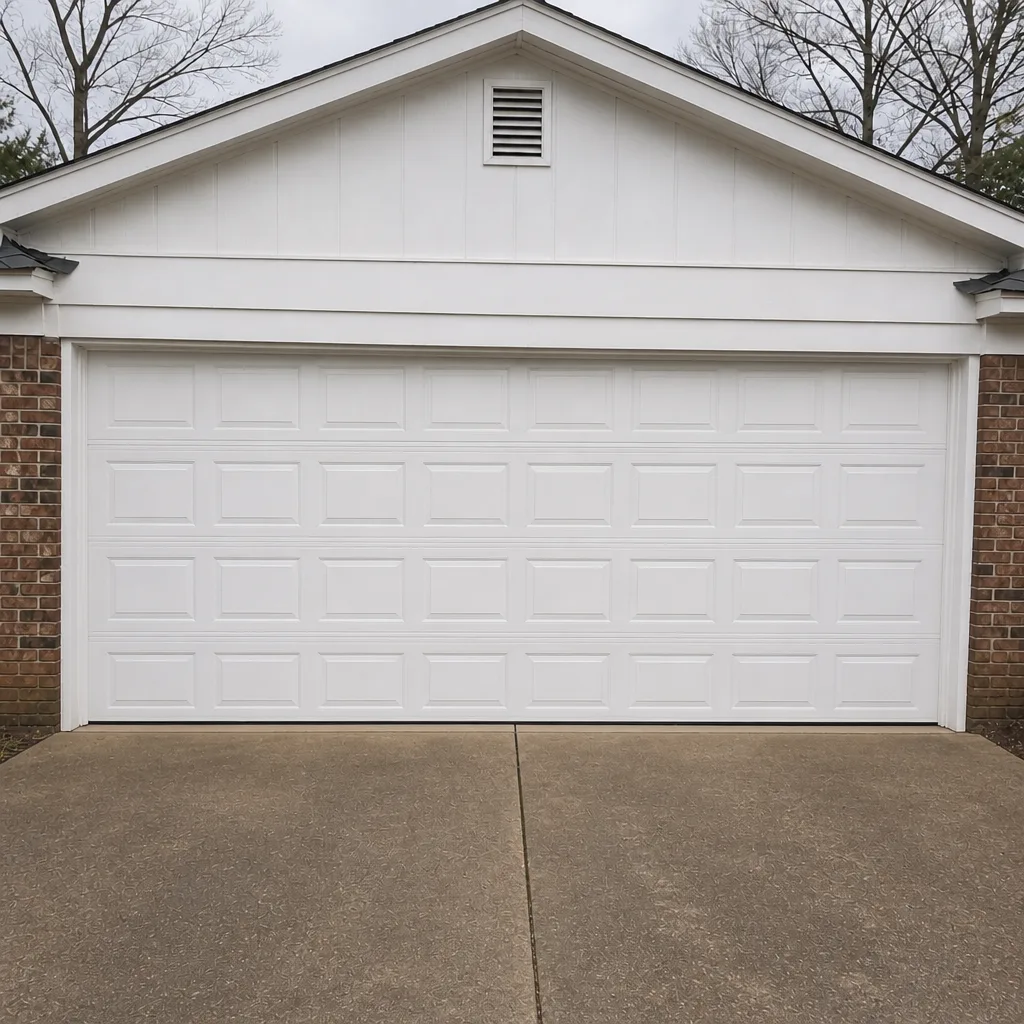 After
When to Call a Professional
Some decisions need a trained eye on your actual door and opening. Call a professional if you’re comparing doors and can’t tell which model fits your garage’s framing or the track clearance in your home. Call if your opener is failing and you’re weighing repair against replacement, or if a spring has snapped, since those are high-tension parts and are genuinely dangerous to handle without the right tools and training. Call if your door has suffered storm or impact damage that’s left a panel bent or the door off-track, and call if a new door is your plan and you want a written estimate before ordering. For homes in Birmingham, Prospect Garage Door Repair offers free estimates and works across the major brands, so you can get a straight read on repair versus replacement without a sales pitch. Call (833) 946-3180.
Frequently Asked Questions
There’s no single best brand; the best choice is the one with the right model tier for your home and solid local support. For most Birmingham homes, Amarr and Clopay insulated-steel lines give the most predictable balance of finish durability, parts availability and value, with Wayne Dalton and CHI strong options depending on budget and stock. The key is checking the specific model’s gauge, coating and local parts support, not just the brand name. Call (833) 946-3180 for a free estimate on a door that fits your home.
LiftMaster, Chamberlain and Genie all make models with battery backup, though not every unit in their lineup includes it, so confirm it on the specific model. It matters in Birmingham because storm-driven outages are common, and a door you can’t open when the power is out can leave you without access to or from the garage. Battery backup keeps the door operating through an outage. If you’re not sure whether your opener has it, we can check and quote a replacement. Call (833) 946-3180 – estimates are free.
Ask the installer three questions: which common parts for this brand are stocked locally, what the lead time is on a replacement section, and who handles a warranty claim if one comes up. If the brand has a local dealer network with stock on shelves, repairs happen fast. If parts have to ship, your repair window extends. A brand-agnostic technician can tell you which brands have quick local support. Call (833) 946-3180 to talk through options before you commit.
Steel gauge is the metal thickness: lower numbers mean thicker, more dent-resistant steel, and 24 or 25 gauge is common builder grade while thicker faces resist impact and heat cycling better. R-value measures how well the door resists heat flow, and insulation keeps an attached garage less brutal in summer and less cold in winter while cutting noise. For most Birmingham homes, prioritize insulation if the garage is attached and thicker steel if the door faces sun or storm exposure. Call (833) 946-3180 for a free estimate on the right combination.
It depends on the brand and the section of the warranty. Steel and finish sections often exclude damage traced to improper cleaning or to environments the manufacturer carves out, and installation defects can void claims. Read the finish and steel sections separately and ask the installer which parts are covered and for how long. Local dealer support decides how a claim actually plays out. We can walk you through what to look for on a specific door. Call (833) 946-3180.
Yes. If the door is older but parts are still available locally, repair often wins; if the model is discontinued and the failure is a badly damaged panel, replacement may be the better use of money. A company that installs and repairs across brands can give an honest answer because it isn’t pushing one outcome. A written estimate before any work starts sets the price. Call (833) 946-3180 for a free estimate in Birmingham. We answer 24/7, with fast dispatch from 7am to 7pm, Sunday through Friday; we’re closed Saturday.
The Bottom Line
Picking a garage door brand in Birmingham is really two decisions stacked together: the right model for the climate and the house, and a brand that’s easy to keep running where you live. Get the model tier right by comparing gauge, insulation, coating layers and wind load. Get the support right by checking local parts stock and reading the warranty sections separately. Opener choice deserves the same care, especially battery backup for storm outages. When you’re ready to compare real options with a straight answer on repair versus replacement, our technicians have up to 14 years of experience across the major brands. Call (833) 946-3180 for a free estimate.
Written by the team at Prospect Garage Door Repair.