
Last updated November 15, 2026
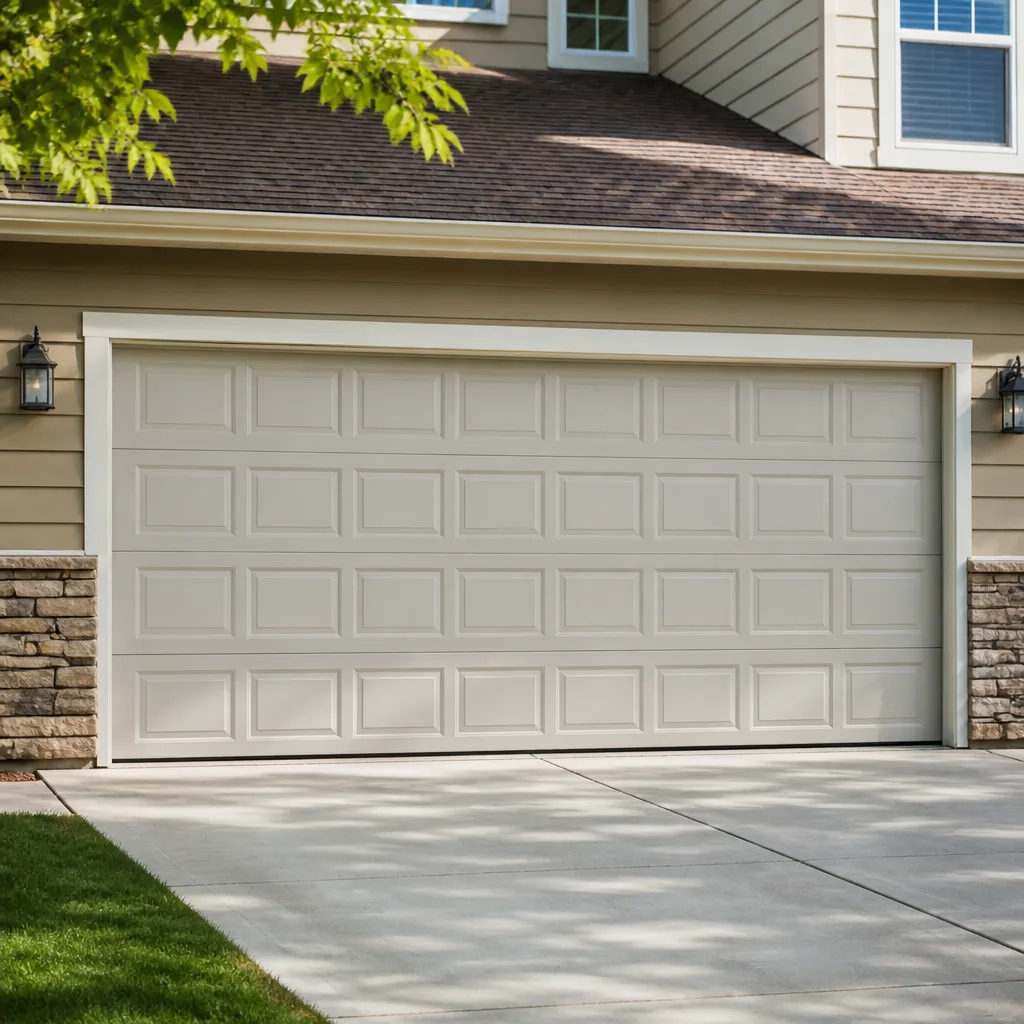 Raised-panel steel
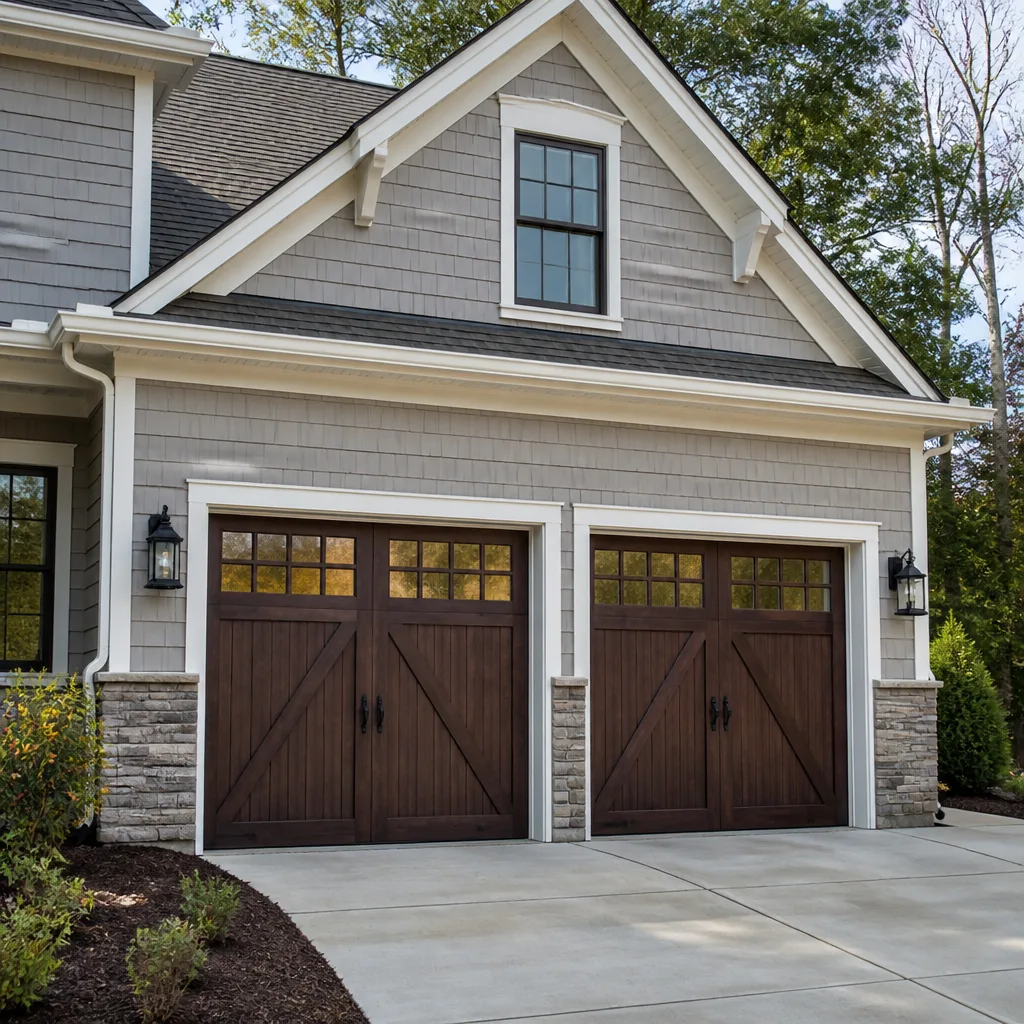 Carriage house
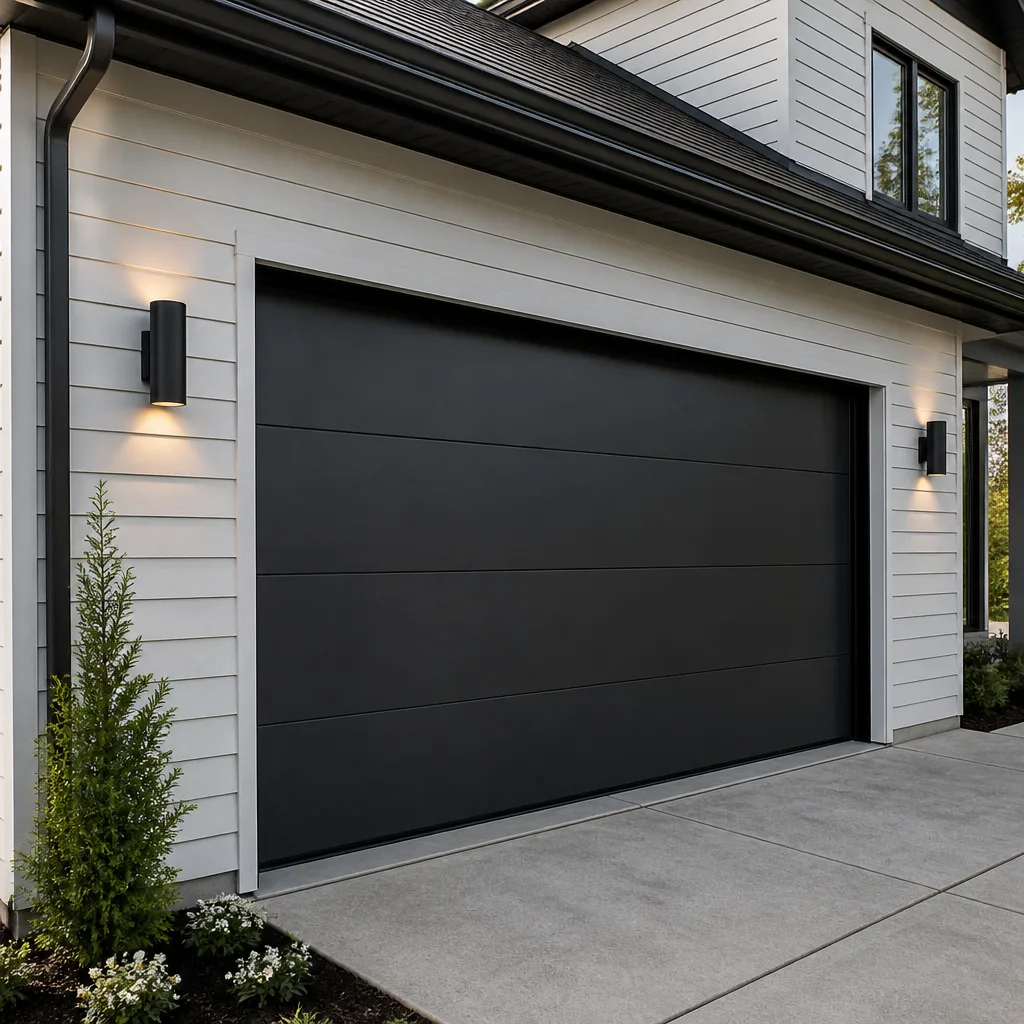 Modern flush
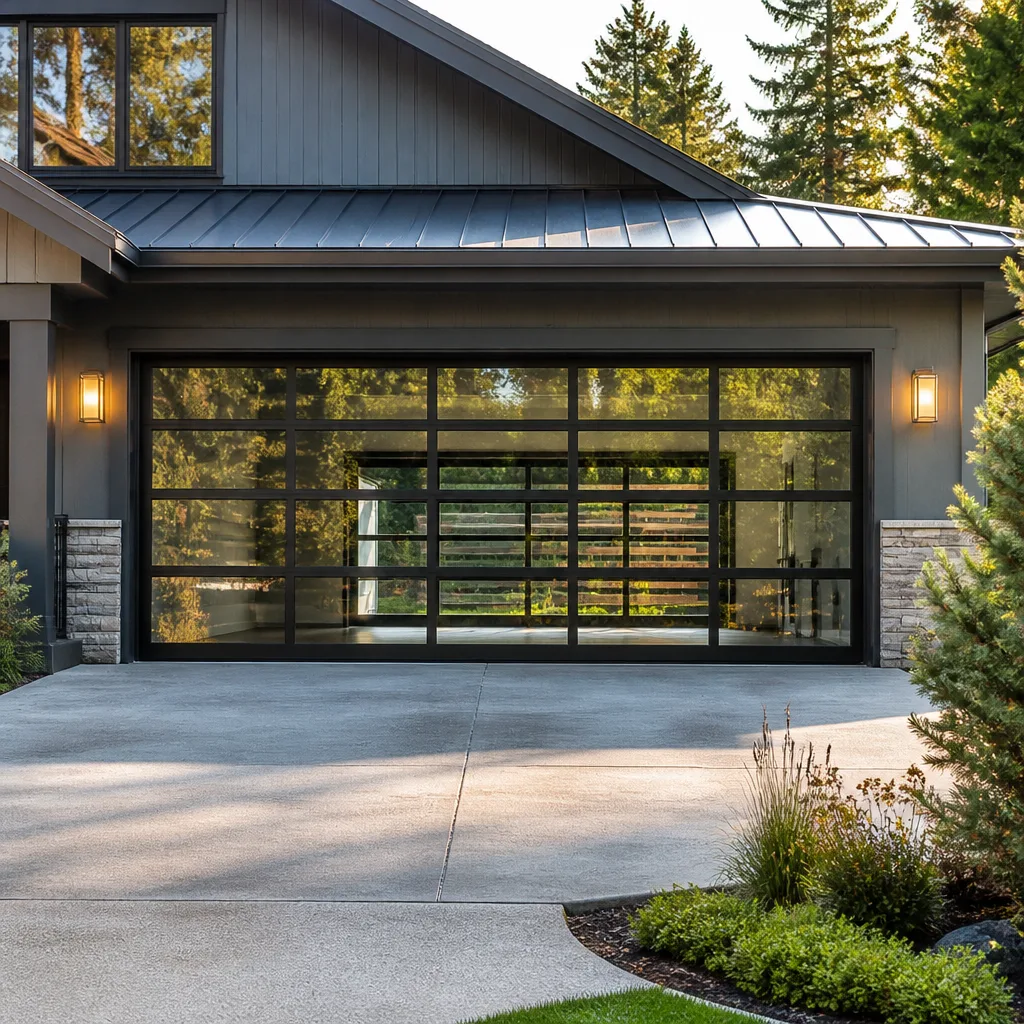 Full-view glass
 LiftMaster openers
 Chamberlain openers
Full 25-point door and opener safety check with every visit - springs, cables, rollers, tracks, and your LiftMaster or Chamberlain opener included
You get a price before we start. It does not change when the pro arrives.
Get your free estimateSeasonal Garage Door Care for Birmingham: Year-Round Homeowner’s Guide
Most homeowners assume summer heat is what wears a garage door down. In Birmingham, the harder season on your door is winter – specifically the freeze-thaw cycles that roll through the metro from December into February. Metal contracts on cold nights and expands again by afternoon, and weatherstripping that bonded to a cold concrete floor gets forced open by a motor that wasn’t built to fight back. That’s where the damage happens. This guide breaks Birmingham’s year into four distinct maintenance windows, each with its own failure risks, and tells you which tasks have a hard deadline and which can wait until the weekend.
Quick Answer
Garage door care in Birmingham follows four seasonal windows: spring (March-May) for balance and storm readiness, summer (June-August) for heat-related tension checks, fall (September-November) for humidity and seal inspection, and winter (December-February) for freeze-thaw preparation. The two tasks with hard deadlines are checking spring balance before summer heat peaks and lubricating the weather seal before the first hard freeze. Everything else can float within its season.
Styles & brands we work with
- Raised-panel steel
- Carriage house
- Modern flush
- Full-view glass
- LiftMaster openers
- Chamberlain openers
Table of Contents
- Spring: Storm Season Prep and Balance Checks
- Summer: Heat, Metal Expansion, and Tension Drift
- Fall: Humidity Aftermath and Seal Compression
- Winter: Freeze-Thaw and the January Ice Problem
- The Birmingham Garage Door Calendar: What Has a Deadline
- Common Mistakes to Avoid
- When to Call a Professional
- Frequently Asked Questions
Spring: Storm Season Prep and Balance Checks
Birmingham’s tornado season runs March through May, and it’s the one stretch of the year where your garage door’s structural integrity matters most. A garage door is often the largest opening in a home’s exterior wall, and during high wind events it takes the brunt of the pressure. Spring maintenance is about making sure the door, tracks, and mounting hardware are all doing their job before the first serious storm rolls through.
The Spring Storm Checklist
- Inspect track mounting hardware. Look at the brackets bolted to the wall and ceiling. Any bracket that wiggles or shows a gap at the bolt head needs attention before wind season.
- Check the door’s wind load rating. Most residential doors carry a wind rating stamped on the manufacturer’s label or in the original paperwork. Birmingham sits in a region with real storm exposure, and if your door was installed with a low rating, knowing that now is better than finding out mid-storm.
- Test the auto-reverse safety feature. Place a roll of paper towels flat under the door and close it. The door should reverse on contact. If it doesn’t, the opener needs adjustment.
- Clear the tracks. Debris from winter storms collects in the track channels. A dry cloth run along each channel catches grit before it grinds into the rollers.
- Test door balance. Pull the release cord to disconnect the opener, lift the door halfway, and let go. A balanced door holds position. One that drops or rises on its own has spring tension that’s off.
The balance test is the most useful spring task because it catches tension problems before they become spring failures. If your door fails the balance test, that’s a job for a technician – torsion springs under tension are genuinely dangerous to adjust without the right tools and training. We work on Clopay, Amarr, and Wayne Dalton doors across Birmingham and the balance check is the single most-recommended spring service call we make.
Summer: Heat, Metal Expansion, and Tension Drift
Alabama summers push daytime temperatures into the mid-90s for weeks at a stretch, and a garage with a west-facing door can run 20 degrees hotter than outside air. That heat does something specific to a garage door: it expands the steel panels and the torsion spring assembly, which shifts the balance point the door was set to at installation. A door that was perfectly balanced in April may feel heavy or drift open by July.
Why Summer Heat Changes Spring Tension
Torsion springs are calibrated to hold a specific door weight. When the metal panels expand in heat, the door’s effective weight distribution changes slightly, and the spring has to work against a different load than it was set for. This is why summer is the season when homeowners notice their door getting harder to lift manually or their opener straining on the way up. It isn’t a dramatic failure – it’s a slow drift that shows up as the door feeling “off.”
How to Test Balance Without Tools
You don’t need a gauge to know if summer heat has thrown your door out of balance. Disconnect the opener using the release cord, lift the door to roughly waist height, and let go. A well-balanced door stays put. A door that sinks has springs that have lost tension relative to the expanded door weight. A door that rises has too much. Either way, it’s a call for adjustment.
Summer Tasks Worth Doing
- Lubricate rollers, hinges, and the spring coil with a silicone-based lubricant – not WD-40, which attracts dust.
- Wipe down the photo-eye lenses on the opener and confirm both are aligned and the indicator lights are solid.
- Check the opener motor housing for heat buildup. A LiftMaster or Chamberlain unit in an unventilated garage works harder in July than in January.
- Look at the bottom seal. Summer heat softens rubber, and a soft seal that’s already worn will compress flat and stay that way.
Fall: Humidity Aftermath and Seal Compression
Birmingham’s summer humidity does slow damage that shows up in the fall. Wood door frames and wood composite panels absorb moisture through the summer, swelling slightly, and then dry out as temperatures drop. That swell-and-shrink cycle is what causes sticking doors, cracked paint at panel joints, and gaps around the frame that weren’t there in spring.
What to Look For After a Humid Summer
- Swollen wood panels. Run your hand along the interior face of the door. Any panel that feels rough or shows raised grain has absorbed moisture.
- Paint failure at joints. Cracks along panel seams are where water gets in next season. Touch up before winter.
- Weatherstripping compression set. The rubber or vinyl seal along the bottom of the door compresses against the floor every time the door closes. After a summer of heat, that seal takes a set and stops springing back. A seal that stays flat leaves a gap you can see daylight through.
- Track alignment drift. Wood frames that swelled and shrank can push track brackets slightly out of plumb. Watch for the door rubbing on one side.
Fall Tasks With a Real Deadline
Replace or adjust the bottom weather seal before the first hard freeze. This is the fall task with a hard deadline, because a seal that’s already compressed flat will bond to cold concrete the first time temperatures drop below freezing, and that’s when opener damage happens.
Fall is also the right time to get a professional assessment if you’ve noticed the door running rough. A free estimate now means you know what you’re dealing with before winter. If you’ve been putting off a garage door repair, fall is the season when scheduling it is easiest.
Winter: Freeze-Thaw and the January Ice Problem
Birmingham’s winter isn’t a northern winter. It’s a freeze-thaw pattern – a few nights in the high 20s followed by afternoons in the 50s – and that pattern is harder on a garage door than a steady cold would be. Metal expands and contracts repeatedly. Seals that softened in the afternoon re-freeze at night. The result is the single most common winter failure we see: a door bonded to the floor seal by overnight ice, forced open by an opener that strips its gears trying to break the bond.
The Birmingham Winter Prep Protocol
- Lubricate the bottom seal with silicone spray. This is the single most important winter task in Birmingham. A silicone-treated seal resists bonding to cold concrete. This has to happen before the first freeze, not after.
- Check the opener’s force setting. Most openers have a force adjustment that determines how hard the motor pushes. Factory settings assume a freely moving door. If your door binds at all in cold weather, the opener will strain harder than it should.
- Clear the floor under the door of leaves and debris. Wet debris freezes and creates a hard crust the seal bonds to.
- Test the door manually on a cold morning. Disconnect the opener and lift the door by hand. If it feels heavier than it does on a warm day, the springs need adjustment.
- Watch for opener strain. A Genie or Chamberlain opener that sounds labored on cold mornings is telling you something. Don’t ignore it until the gear strips.
What to Do If the Door Is Frozen
If you suspect the door is bonded to the seal, don’t run the opener. Disconnect it manually, then use a heat gun on low setting or warm water along the seal line to free the bond. Forcing a frozen door with the motor is exactly how gears strip and openers fail.
The Birmingham Garage Door Calendar: What Has a Deadline
Not every task is equally urgent. Some have hard seasonal deadlines; others float within their window. Here’s how we’d prioritize a Birmingham garage door’s annual care.
Hard Deadlines
- Before summer heat peaks (by late May): Balance check and tension adjustment if needed. Summer heat will expose any imbalance as a real problem.
- Before the first hard freeze (by early December): Silicone lubricant on the bottom seal. This is the one task that prevents the most common winter failure.
- Before storm season (by early March): Track mounting hardware inspection and wind rating check.
Flexible Tasks
- Lubricating hinges and rollers – any dry day works.
- Testing auto-reverse – do it monthly if you remember, quarterly if you don’t.
- Cleaning tracks – whenever you see visible debris.
- Paint touch-up on wood panels – any dry stretch in fall or spring.
- Opener battery replacement in the wall console – when the light dims.
If you’re due for a new opener or a full door replacement, the schedule matters too. garage door opener repair and new opener installation can be scheduled any time of year, but a full door replacement is best done in spring or fall when temperatures are moderate and the door can be tested through a normal weather cycle before extreme heat or cold sets in.
See the difference
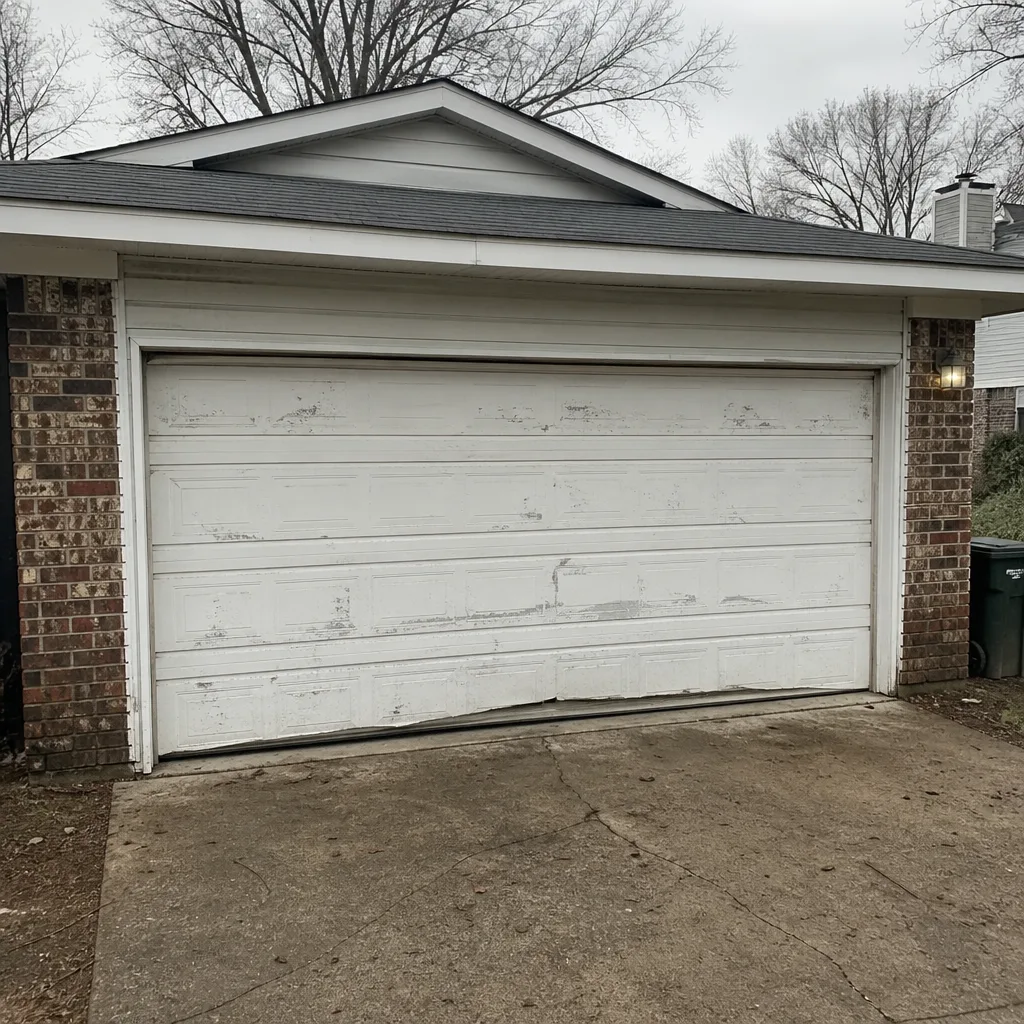 Before
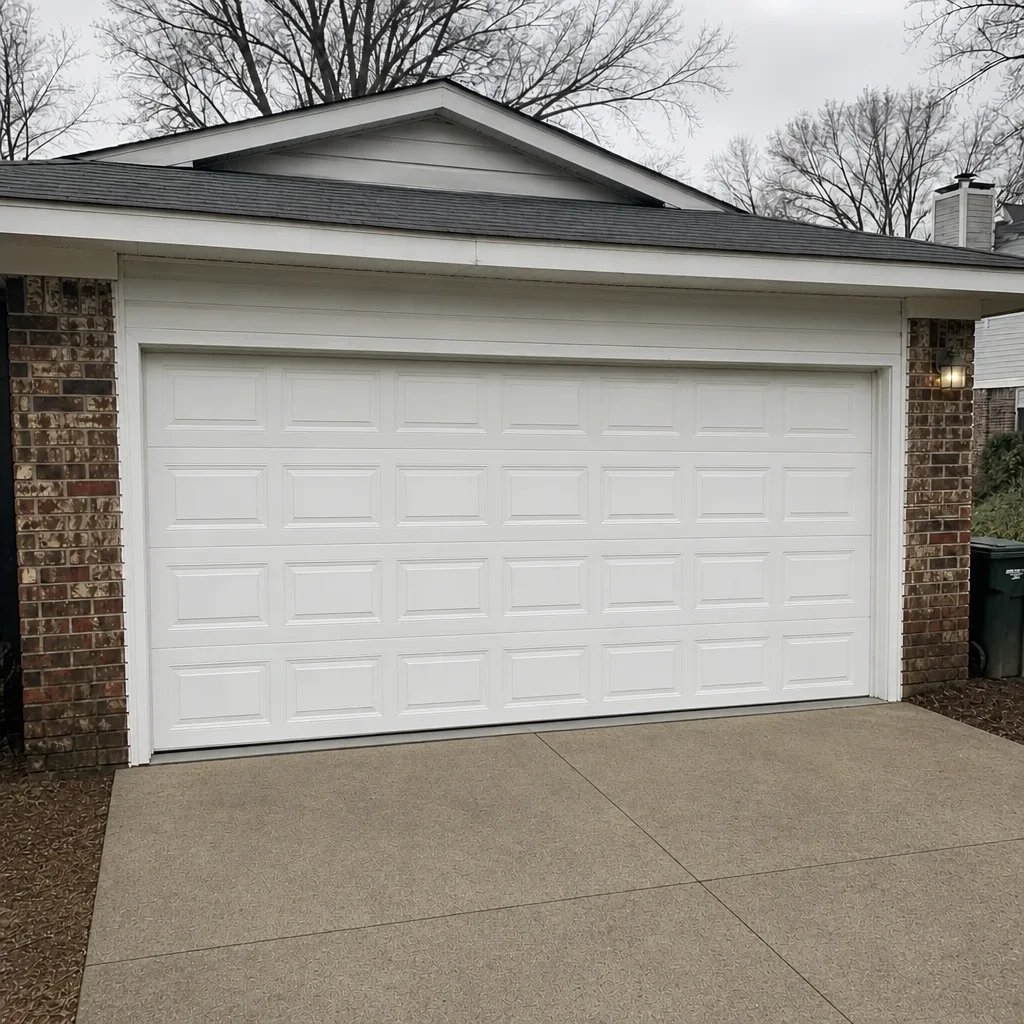 After
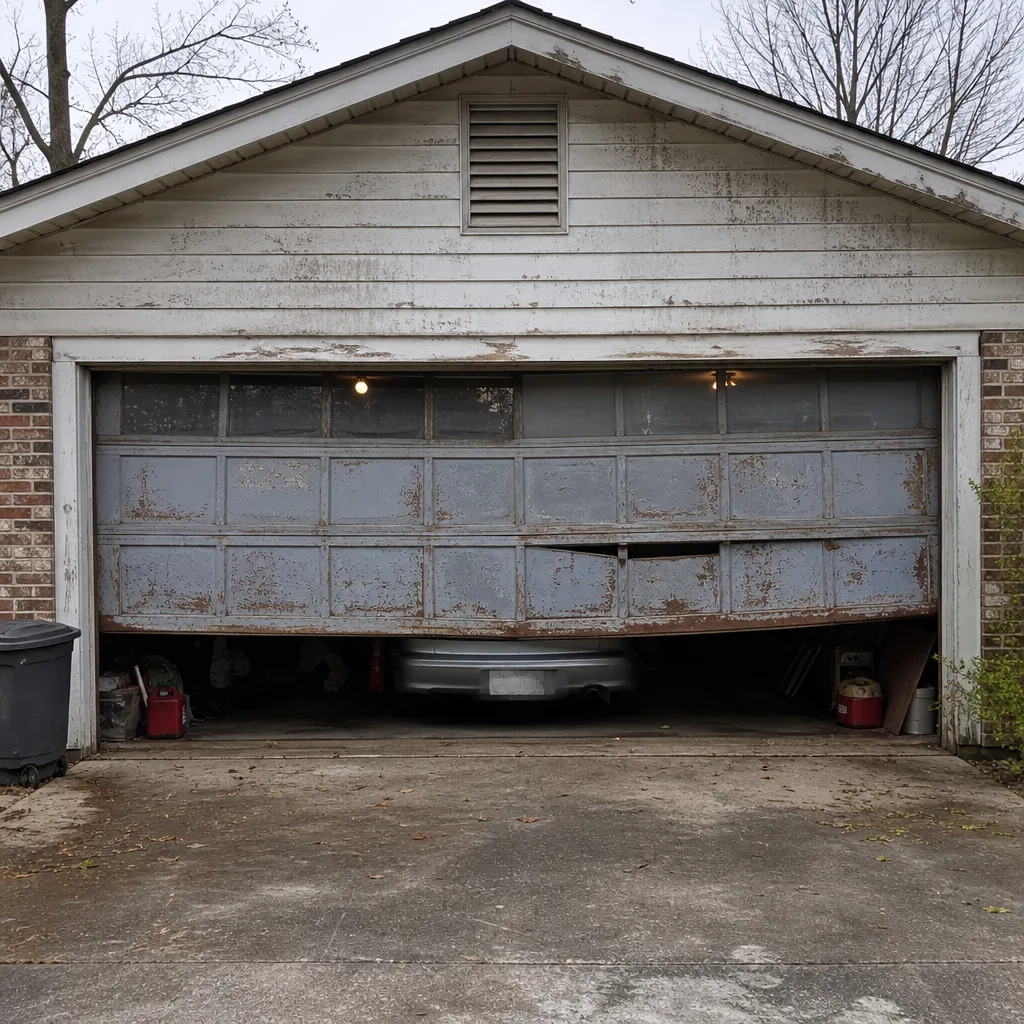 Before
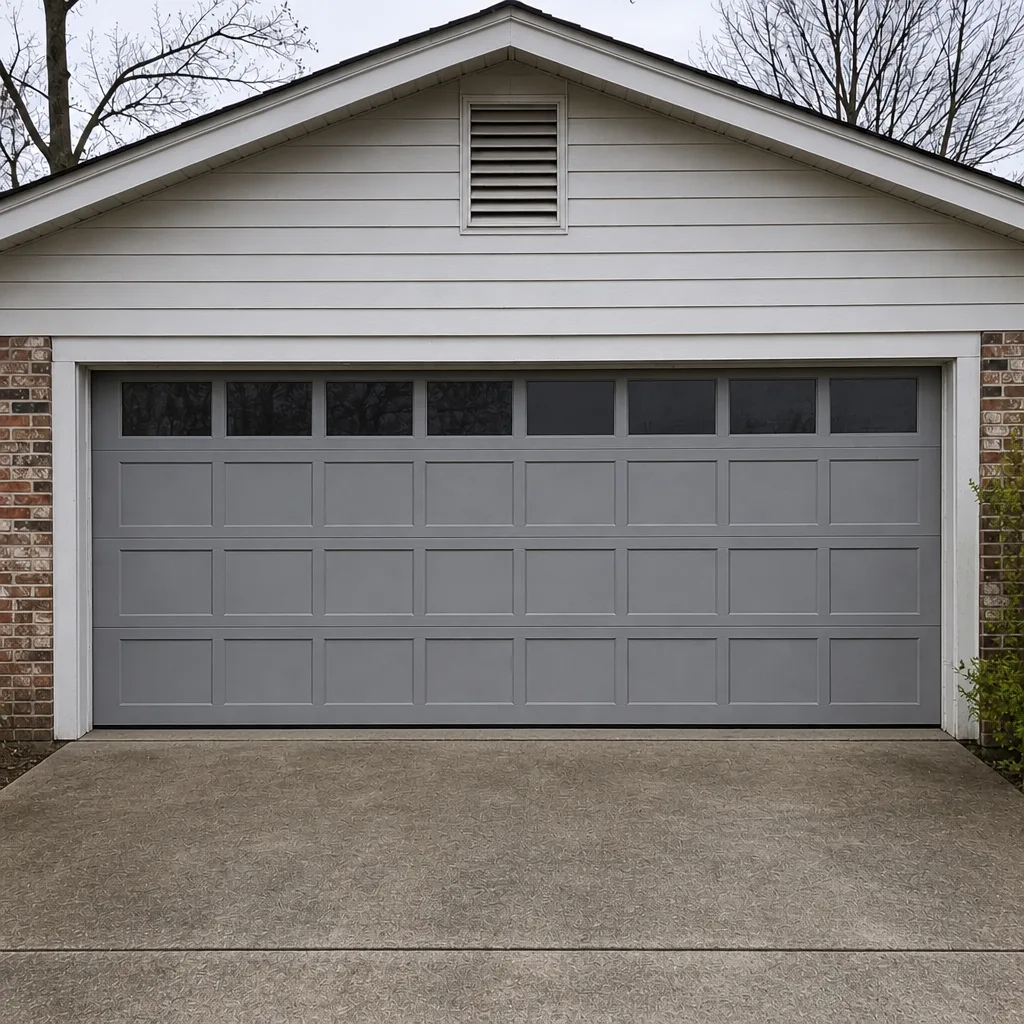 After
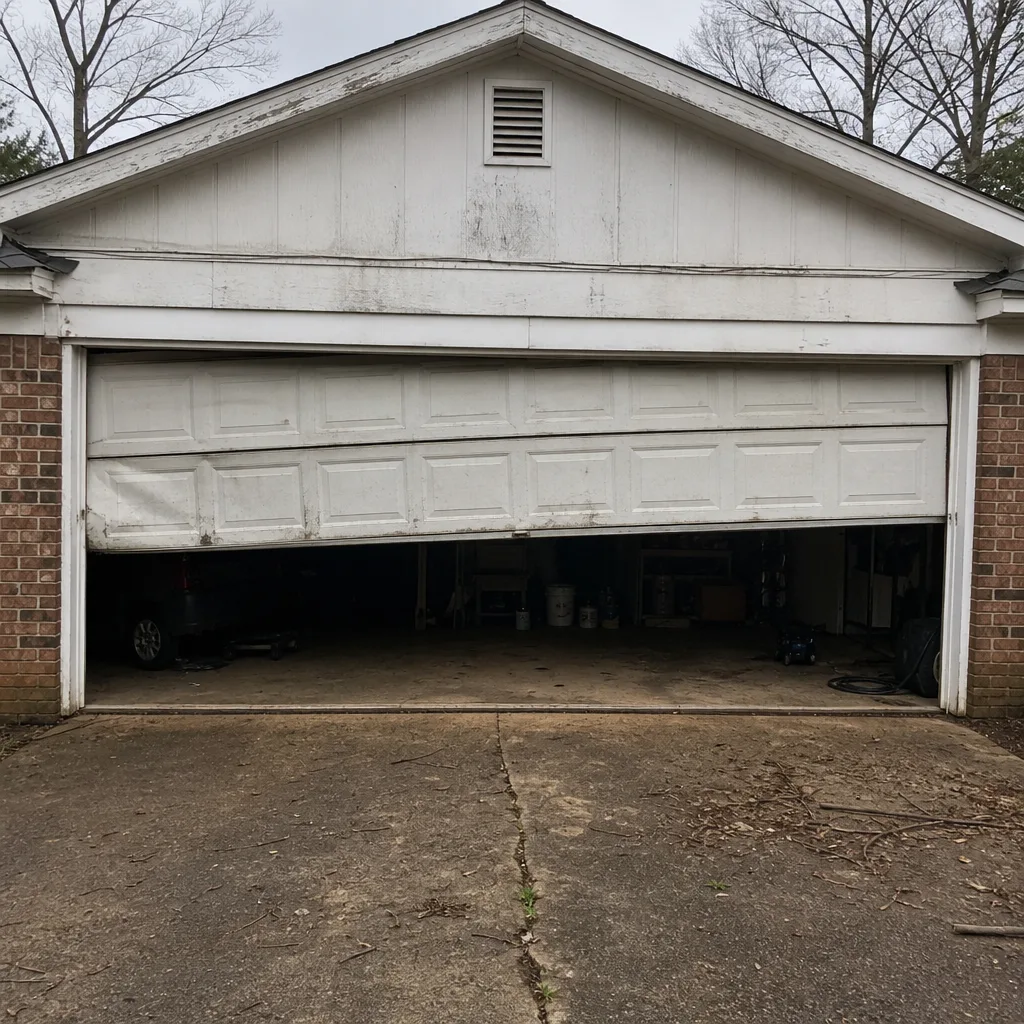 Before
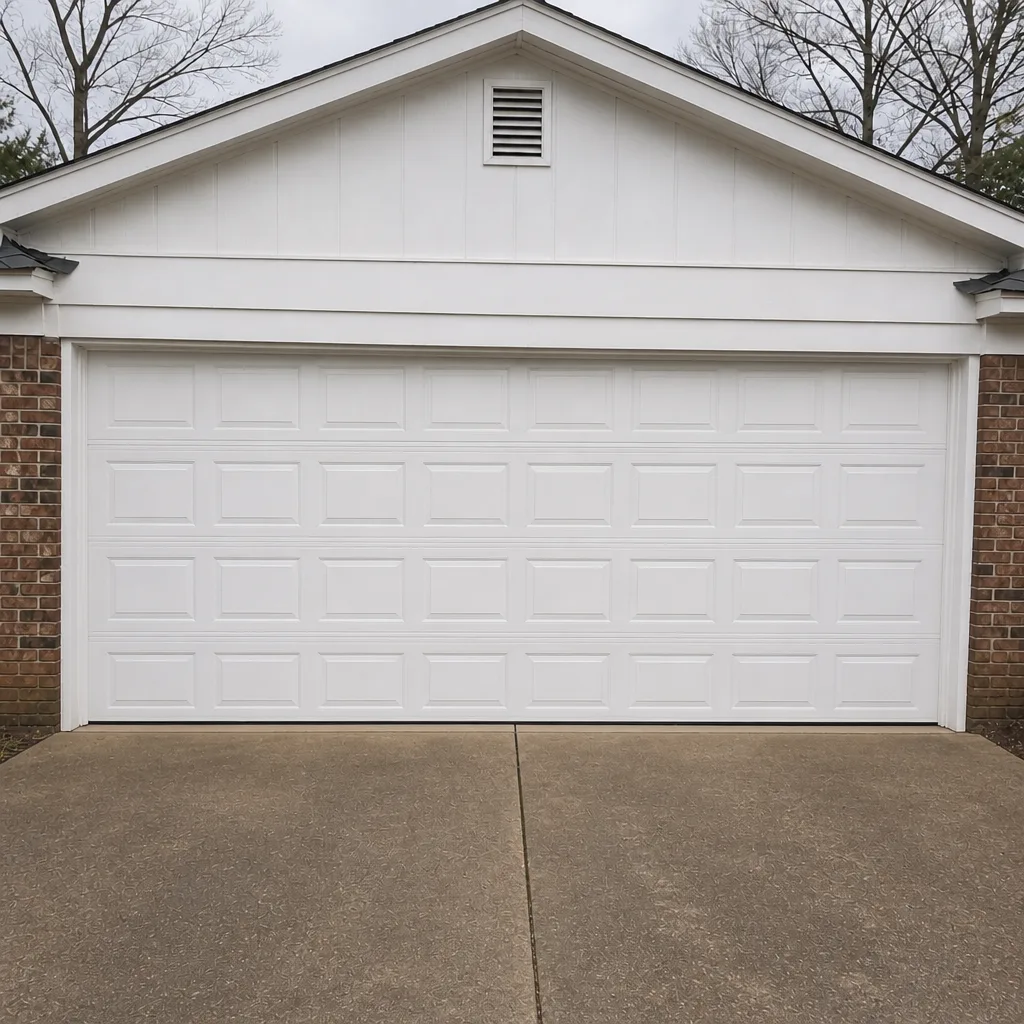 After
Common Mistakes to Avoid
- Using WD-40 on tracks and springs. It’s a solvent, not a lubricant, and it attracts grit that grinds into rollers. Use silicone-based lubricant instead.
- Forcing a frozen door open with the opener. This is the number one cause of stripped gears in Birmingham during January freezes. Disconnect the opener and free the seal first.
- Skipping the pre-freeze seal lubricant. Birmingham’s freeze-thaw pattern makes this task more important here than in colder cities where the seal stays frozen solid all winter. A treated seal is your protection against opener damage.
- Adjusting torsion springs yourself. Torsion springs store enough energy to cause serious injury. This is not a homeowner task, no matter what a video says.
- Ignoring a door that fails the balance test. A drifting door puts constant strain on the opener. Fix the tension before the opener pays the price.
- Assuming summer heat is the biggest threat. Birmingham’s winters do more damage to openers than its summers do, because of freeze-thaw and seal bonding. Prep accordingly.
- Skipping the fall humidity inspection. Wood swelling and weatherstripping compression from summer heat are easy to miss until they cause a problem in winter.
When to Call a Professional
Some garage door tasks are genuinely homeowner-level: lubricating rollers, wiping down tracks, testing the auto-reverse feature, checking the photo-eye alignment. Others are not. Call a professional for any torsion spring adjustment, any balance issue that doesn’t resolve with a simple tension check, any opener that’s straining or making new noises, any track that’s bent or out of plumb, and any weather seal replacement that requires removing the bottom panel.
The safety concern is real. Torsion springs are under enough tension to cause serious injury, and electrical work inside an opener or wall console carries the usual risks. A trained technician with the right tools handles these in a fraction of the time and without the risk.
We handle all four seasonal windows for Birmingham homeowners, and we work across the major residential brands – Clopay, LiftMaster, Chamberlain, Amarr, Wayne Dalton, Genie, Craftsman, and Raynor. Prospect Garage Door Repair offers free estimates in Birmingham – call (833) 946-3180.
Frequently Asked Questions
Lubricating the bottom weather seal before the first hard freeze. Birmingham’s freeze-thaw pattern – cold nights followed by warm afternoons – causes seals to bond to cold concrete, and forcing a bonded door open with the opener is the leading cause of stripped gears and opener damage in the metro. A silicone-sprayed seal prevents the bond entirely.
Summer heat expands the metal panels and torsion spring assembly, which changes the door’s effective weight distribution. A door that was balanced in spring may feel heavy or drift in July. The fix is a spring tension adjustment – not a homeowner task. Call us for a free estimate.
Yes. Inspect your track mounting hardware and check your door’s wind load rating before March. A garage door is often the largest opening in a home’s exterior wall, and during tornado season it takes real wind pressure. Loose brackets and low-rated hardware are worth knowing about before the first storm.
Look for daylight under the closed door, or feel for a draft along the bottom. If the seal stays compressed flat instead of springing back when you lift the door, it’s taken a compression set from summer heat and needs replacement. A soft seal that stays flat isn’t doing its job.
No. Torsion springs store enough energy to cause serious injury if they release unexpectedly, and adjusting them requires specific tools and training. This is the one garage door task we strongly recommend against doing yourself, regardless of what you find online.
Monthly is ideal, quarterly is acceptable. Place a roll of paper towels under the door and close it – the door should reverse on contact. If it doesn’t, the opener needs adjustment. This is a five-minute check that catches a safety problem before it becomes one.
The Bottom Line
Birmingham’s garage door care runs on four seasonal windows, and they aren’t interchangeable. Spring is for storm prep and balance checks. Summer is for heat-driven tension drift. Fall is for humidity recovery and seal inspection. Winter is for freeze-thaw protection – and the single most important task in the whole cycle is lubricating the bottom seal before the first freeze. Do that one task and you avoid the most common winter damage we see across Birmingham. If you want help with any of it, call us at (833) 946-3180 for a free estimate.
Contact Prospect Garage Door Repair
From a broken spring to a full new installation, we handle the whole door lifecycle across the major brands. Whether it’s a seasonal tune-up, a garage door repair, or a new opener install, we’re set up to do the work. Our technicians have up to 14 years of experience, and we work on your brand – not just the one we happen to stock.
Call (833) 946-3180 for a free estimate. We answer 24/7. Fast dispatch from 7am to 7pm, Sunday through Friday. Closed Saturday.
Written by the team at Prospect Garage Door Repair.