
Last updated November 15, 2026
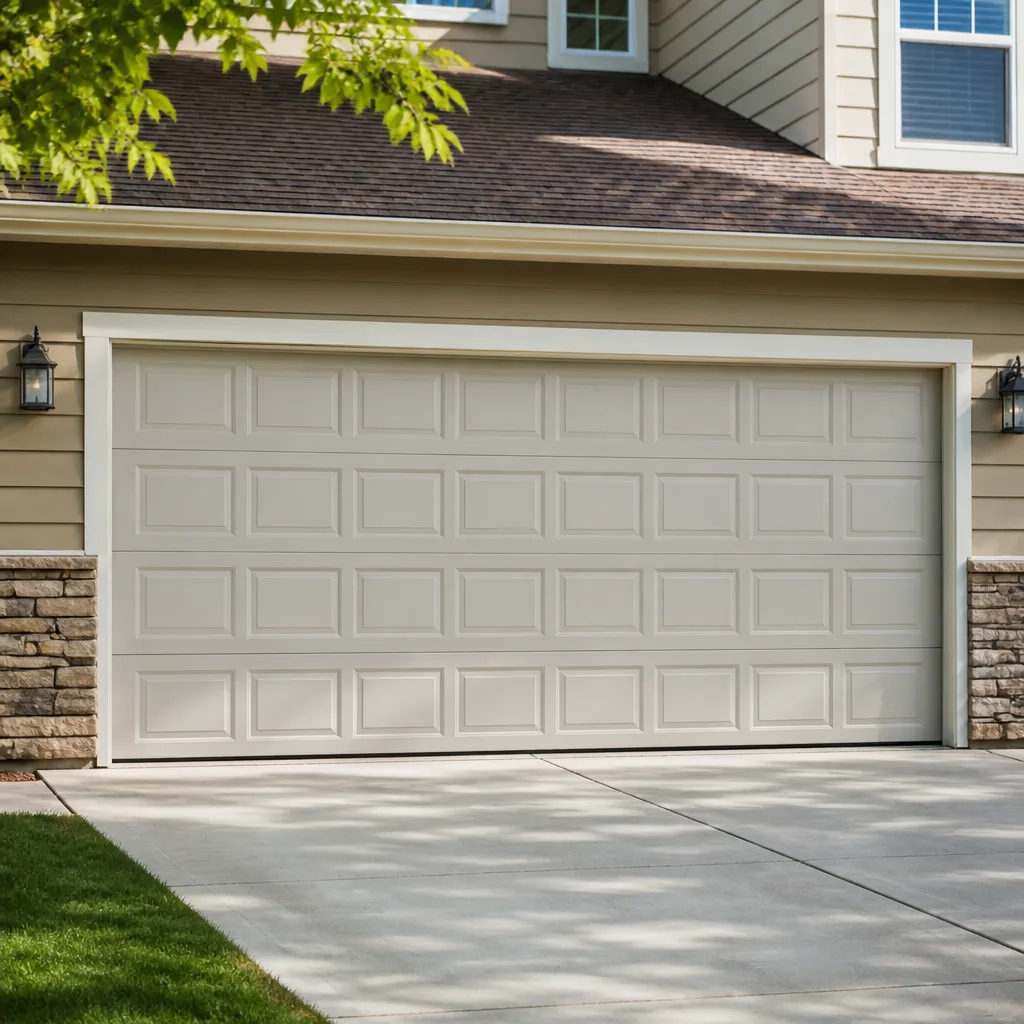 Raised-panel steel
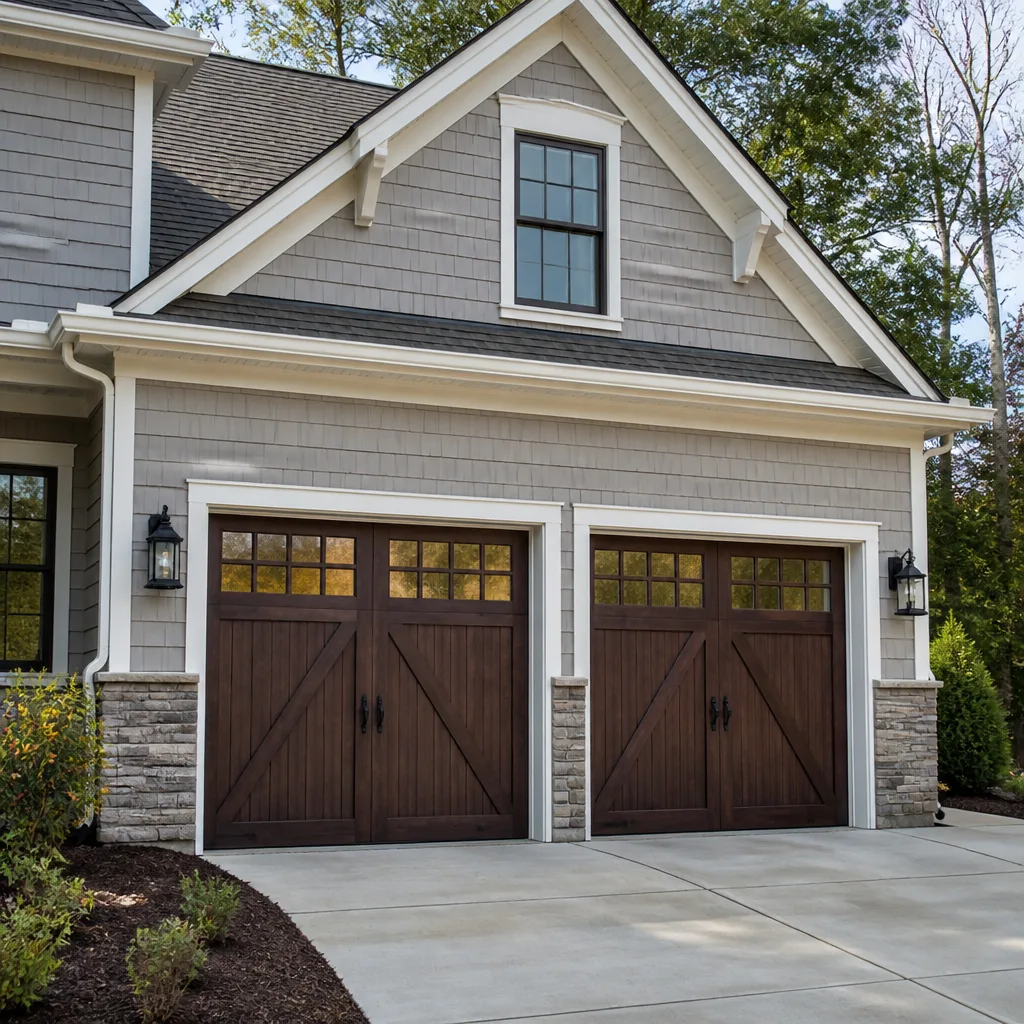 Carriage house
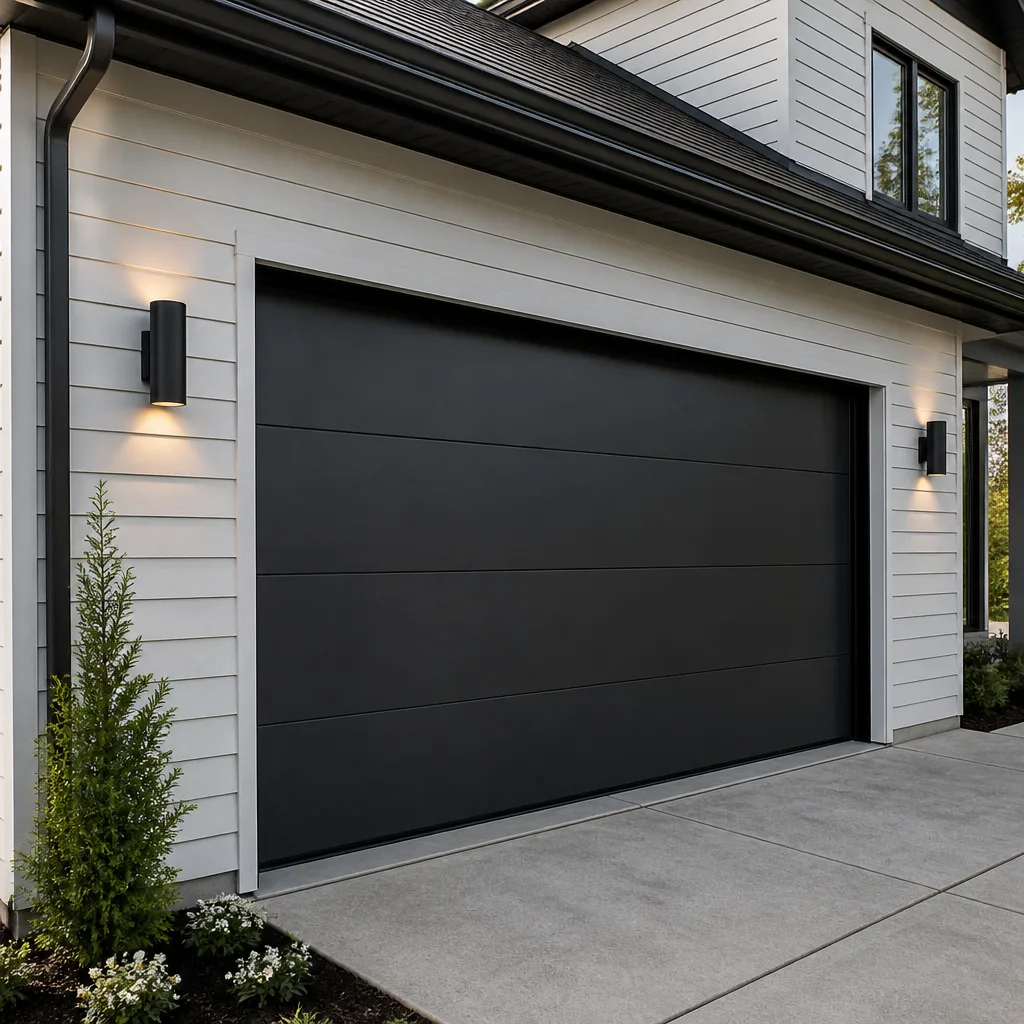 Modern flush
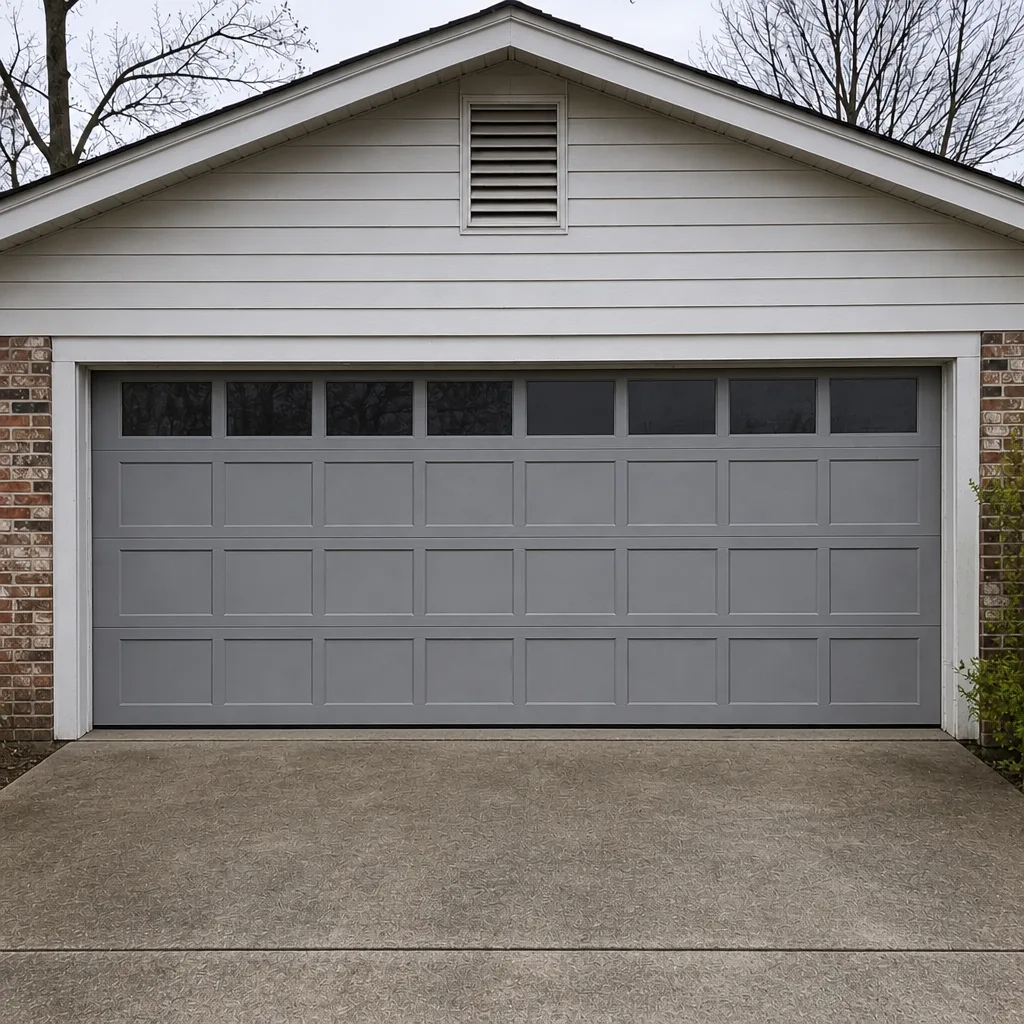
 Full-view glass
 LiftMaster openers
 Chamberlain openers
Full 25-point door and opener safety check with every visit - springs, cables, rollers, tracks, and your LiftMaster or Chamberlain opener included
You get a price before we start. It does not change when the pro arrives.
Get your free estimateGarage Door Repair Maintenance Checklist for Birmingham Homeowners
Most garage door maintenance checklists are written for a climate that doesn’t exist here. They tell you to lubricate the rollers quarterly, wipe down the panels, and call it a year – advice that was composed for a temperate, dry, stable place, not for a city where summer heat cycles work bolts loose and expansive clay soil moves under the slab with every wet season. The result is that Birmingham homeowners spend time on the steps that matter least and skip the ones that actually prevent failures here. This guide flips that. You’ll learn what to check, how often, and which components deserve your attention first given how doors age in Birmingham. We’ll cover spring anchor plates, cable drums, track alignment against soil movement, bottom bracket bolt checks, and how to adjust the whole schedule to your door’s age and material.
Quick Answer
A garage door maintenance checklist in Birmingham should prioritize four things over the generic manufacturer list: torsion spring anchor plate bolts, cable drum set screws, track alignment measured against the door frame (not the floor), and bottom bracket bolts. These components take the hardest hit from summer heat cycles and Alabama’s expansive clay soil, and failing to check them is what leads to preventable repairs. Lubrication still matters, but only at specific points – not every moving part benefits from grease in humid air.
Styles & brands we work with
- Raised-panel steel
- Carriage house
- Modern flush
- Full-view glass
- LiftMaster openers
- Chamberlain openers
Table of Contents
- Monthly checklist: the five-minute walk-around
- Spring anchor plates and heat cycle stress checks
- Track alignment and Alabama clay soil movement
- Bottom bracket bolt checks and torque guidance
- What to lubricate and what to leave dry
- Adjusting frequency to door age and material
- What you should never adjust yourself
- Common maintenance mistakes to avoid
Monthly Checklist: The Five-Minute Walk-Around
Once a month, walk the perimeter of the door with nothing in your hands and just look. You’re not fixing anything yet. You’re noticing change. The goal of a monthly check in Birmingham is to catch movement before it becomes misalignment, and misalignment before it becomes a bent panel or a snapped cable. Do this on a calm morning when you can hear the door operate without a car running in the next bay.
- Cycle the door once and listen. A healthy door produces a steady hum from the opener and a smooth roll. Grinding, popping, or a slowing at one point in travel means something has shifted.
- Look at the gap between the door and the frame at the top corners. A consistent gap is normal. A gap that widens on one side over successive months means the frame has moved.
- Check the bottom seal for cracking or gaps. Birmingham’s humid summers and cool winters cycle rubber through expansion and contraction faster than a stable climate would.
- Pull the manual release and lift the door by hand about halfway. It should feel balanced, staying in place when you let go. If it wants to fall or run up, the spring tension is off and you should stop testing it yourself.
- Look for fresh rust spots or water staining at the panel seams. Water intrusion under the door is common after heavy summer rain, and rust will spread along the bottom edge first.
- Test the safety reverse. Place a two-by-four flat in the door’s path and cycle it closed. The door should reverse on contact. If it doesn’t, that’s an opener adjustment issue – see our garage door opener repair page for more on how those sensors and limits work.
Spring Anchor Plates and Heat Cycle Stress Checks
This is the step most maintenance checklists miss entirely, and it’s the one we most often find failing doors on in Birmingham. The torsion spring anchor plate is bolted to the wall above the door and holds the stationary end of the torsion shaft. Every time the door cycles, the springs load and unload against that plate, and every time the outside temperature swings through an Alabama summer day – often from the 70s in the morning to over 95 by afternoon – the steel in the plate, the lag bolts, and the wood or steel behind it expand and contract at slightly different rates. That difference is what loosens bolts.
What to check:
- Bolt heads visible in the anchor plate. Look for a gap between the washer and the plate, or a shiny wear ring around the bolt head where it’s been turning. Both indicate the bolt is no longer tight.
- The wood behind the plate on older homes. If you see splitting, darkening, or a slight bulge around a lag bolt, the wood has been stressed. Catching this before the plate pulls free matters.
- Fresh movement marks on the drywall or paint around the plate. A hairline crack that’s new since last month is a signal to look closer.
- The torsion shaft itself. With the door closed, look along the shaft from one end to the other. It should be straight and level. Sag or a visible bend means the shaft is overloaded or the plate centers are off.
The same inspection logic applies to the cable drums at each end of the shaft. Look at the set screws holding each drum to the shaft; a screw that’s backed out even a fraction of a turn can let the drum slip under load, which is a serious safety issue. Never put a wrench to any component connected to a wound torsion spring – call a technician instead. If you’d rather not approach the springs at all, our team handles garage door repair across the metro, and checking these specific points is part of what we do on every visit.
Track Alignment and Alabama Clay Soil Movement
Birmingham sits on expansive clay soil, and that soil swells when wet and shrinks when dry. Over a year, that movement can be enough to shift a garage slab or a door frame by a fraction of an inch – and a fraction of an inch is all it takes to knock a vertical track out of parallel with the door. When the track leans inward at the bottom or flares out at the top, the rollers bind, the door drags, and eventually a roller pops out of the track or a panel bends. Most homeowners never notice until the symptom is severe.
Here’s how to check for soil movement against the door frame:
- Measure the gap between each vertical track and the door frame at three heights: bottom, middle, and top. Write the numbers down and keep them in a note on your phone with the date.
- Compare the left and right tracks. They should read the same at each height. A difference of more than roughly an eighth of an inch between the two sides is worth investigating.
- Check the bottom of the vertical tracks for gap to the floor. If one track bottom is flush and the other sits a quarter inch above the slab, the floor has moved relative to the frame.
- Look at the concrete apron where the door meets the floor. A gap that’s wider on one side, or fresh cracking running parallel to the threshold, indicates slab movement.
- Repeat the measurement every six months and watch for the number trending in one direction. A stable reading means the door is fine. A drifting reading means the frame has moved and the track needs realignment.
Track realignment is a job for a technician with the right brackets and shims, but the measurement work above is something any homeowner can do safely. If you’re in Homewood, Vestavia Hills, or Mountain Brook – areas where older construction and mature trees combine with clay soil – the timeline on this check is shorter because tree roots also push the slab. Our Birmingham service coverage includes the whole metro, and we’re happy to look at your measurements if you call.
Bottom Bracket Bolt Checks and Torque Guidance
The bottom bracket is the component most likely to become a genuine safety hazard in Birmingham’s older homes, and it’s the one most checklists don’t mention at all. The bracket bolts to the bottom corner of the door panel, holds the lower roller, and also anchors the lift cable. In homes built in the mid-twentieth century – of which Birmingham has many – the panel the bracket attaches to may have softened from repeated moisture exposure, or the original hardware may have weakened. A bottom bracket that comes loose under cable tension can cause the cable to slip, and a releasing cable is dangerous.
What to check, in order:
- Visually inspect both bottom brackets with the door fully closed and the springs at rest. Look for a visible gap between the bracket and the panel.
- Look at the wood or steel the bracket mounts to. Darkening, splitting, or a soft texture when pressed with a screwdriver handle (not the blade) means the material behind the bracket is compromised.
- Check the bolt heads for wear rings. Same logic as the anchor plate – a shiny ring means the bolt is no longer fully seated.
- Don’t torque the bolts yourself. The bottom bracket is under cable load when the spring is wound. Snugging a bolt that’s already under tension can preload it further. Instead, note which bracket concerns you and call a technician to check it.
A technician will check these bolts with the proper tools, confirm the cable is seated correctly in the bracket groove, and verify panel soundness before torquing anything. This is one of the items we always check before recommending a repair or a replacement – and we’ll tell you honestly which one actually makes sense.
What to Lubricate and What to Leave Dry
In a high-humidity climate like Birmingham’s, lubrication advice written for dry climates does real harm. Grease that works fine in Arizona attracts grit and forms a paste in humid air, and that paste holds moisture against the metal it’s supposed to protect. The result is accelerated wear and rust at the exact points the lubricant was supposed to help. Here’s how to think about it.
Lubricate these
- Hinges at the pivot points – a light spray of a silicone-based or white lithium lubricant on each hinge knuckle, monthly in summer.
- Roller stems where they enter the hinge – not the roller wheels themselves. A drop on each stem keeps them turning freely.
- The torsion shaft bearings at each end of the shaft, plus the center bearing if there is one. A small amount of lubricant here is enough.
- The opener rail and trolley – follow the manufacturer’s recommendation. LiftMaster and Chamberlain openers, the two most common openers we see on Birmingham doors, generally prefer a light lubricant on the rail rather than a heavy grease.
Leave these dry
- Nylon rollers. They’re self-lubricating from the factory. Adding grease attracts dust and grit that gets into the bearing housing and causes premature failure.
- Track surfaces. The inside of the track is not a lubrication point. A dry track lets rollers roll; a greased track lets them slide, which wears the wheel flats and eventually makes the door noisy and slow.
- The opener chain (if yours uses a chain drive). Most chain drive systems from LiftMaster and Craftsman are factory-lubricated and don’t need field lubrication. Adding grease to a chain drive in a humid climate is a common cause of chain noise.
- Springs. A little oil on the spring coils is fine, but don’t overdo it – oiled springs in a humid climate gather grit, and grit wears the coils from the inside.
Adjusting Frequency to Door Age and Material
A twelve-year-old steel door on a home without air conditioning in the garage needs a different schedule than a five-year-old insulated door in a climate-controlled space. Here’s how to calibrate your checklist to your actual door.
- Door age under 10 years: Monthly balance and visual check, quarterly lubrication, annual spring and bracket inspection.
- Door age 10 to 20 years: Monthly visual check including anchor plate and bottom bracket, quarterly lubrication, semi-annual spring, bracket, and cable inspection.
- Door age over 20 years: Every three weeks, the full mechanical check – bottom brackets, anchor plate, and cable drums – plus monthly lubrication. Older hardware is far more sensitive to the temperature and soil movement cycles here.
- Wood doors: Add a quarterly panel seal check for cracking and water ingress; wood doors in Birmingham’s humidity want annual paint or stain touch-up along the bottom edge.
- Steel and aluminum doors: Watch for rust at the panel seams and bottom edge. Steel doors near the bottom, where water pools during rain, want an annual rust check and spot touch-up.
- Climate-controlled garage (heated and cooled): Stretch the mechanical check interval by about half. The springs and brackets aren’t seeing the same heat-cycling load.
- Non-conditioned garage: Keep the full schedule as written – a typical Birmingham garage gets very hot in summer and the springs feel it.
If you don’t know your door’s age or brand, look for a sticker on the inside of the top panel or on the opener housing. Common brands we see in Birmingham are Wayne Dalton, Craftsman, Raynor, and LiftMaster; each has its own hardware quirks and parts matching. If the door came with the house and you’re starting from scratch, our Prospect Garage Door Repair team can identify it and give you a starting point for the schedule.
What You Should Never Adjust Yourself
The springs and cables on a garage door store enormous energy, and spring tension is the single most dangerous thing a homeowner can touch. A wound torsion spring can release violently, and the cables running to the bottom brackets are under that same tension. No DIY guide – including this one – should walk you through adjusting either. If your monthly balance test shows the door is off-balance, if you see cable slack, or if you hear a loud bang from the garage, stop the door where it is and call a technician. Same goes for any work on the opener’s electrical connections; opener wiring is low-voltage but the outlet it plugs into is not. For the mechanical parts that live in the middle of that danger – springs, cables, anchor plates, and bottom brackets – a trained technician with proper tools is the right call. Our technicians have up to experience and know the eight major residential brands inside out: LiftMaster, Chamberlain, Genie, Clopay, Amarr, Wayne Dalton, Craftsman, and Raynor. We’ve worked on enough Birmingham doors to know what fails, when, and why.
Common Mistakes to Avoid
- Greasing the tracks. In Birmingham’s humidity, grease on the tracks traps grit and turns the track into an abrasive paste that wears out nylon rollers faster than leaving it dry would.
- Skipping the anchor plate because it ‘looks fine.’ Loosening starts as a hairline gap you won’t notice on a glance. The only reliable check is comparing gap-to-washer measurements month over month.
- Adjusting the travel limits on the opener without checking the door mechanics first. If the door is binding because of a track issue, a travel-limit adjustment just masks the symptom and puts more stress on the opener motor. Fix the mechanical issue, then the opener.
- Ignoring a slightly out-of-plumb track because the door still ‘works.’ A track that’s drifted a quarter inch will keep drifting. Catching it early is a realignment; catching it late is a bent panel.
- Replacing one spring when the other has identical cycle count. A matched pair is usually replaced together – replacing one leaves you at the same service visit again soon. We’ll tell you which one actually makes sense.
- Pressure-washing the door panels. Water forced into the seams under pressure pushes past seals that a garden hose and a soft brush wouldn’t touch. Rinse gently, never spray directly at the bottom seal or panel joints.
- Skipping the annual professional inspection because the monthly checks all pass. A set of trained eyes on the springs, cables, and brackets once a year catches problems the visual check can’t see.
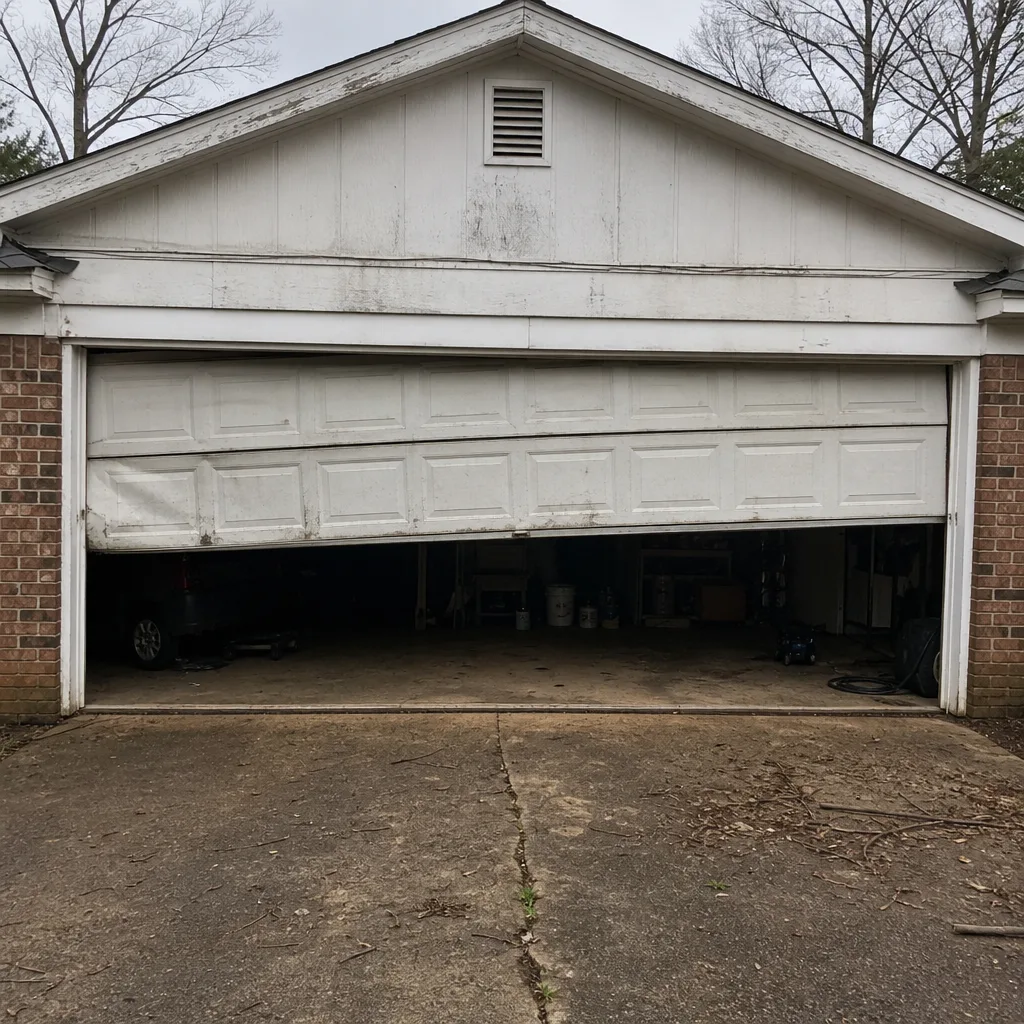
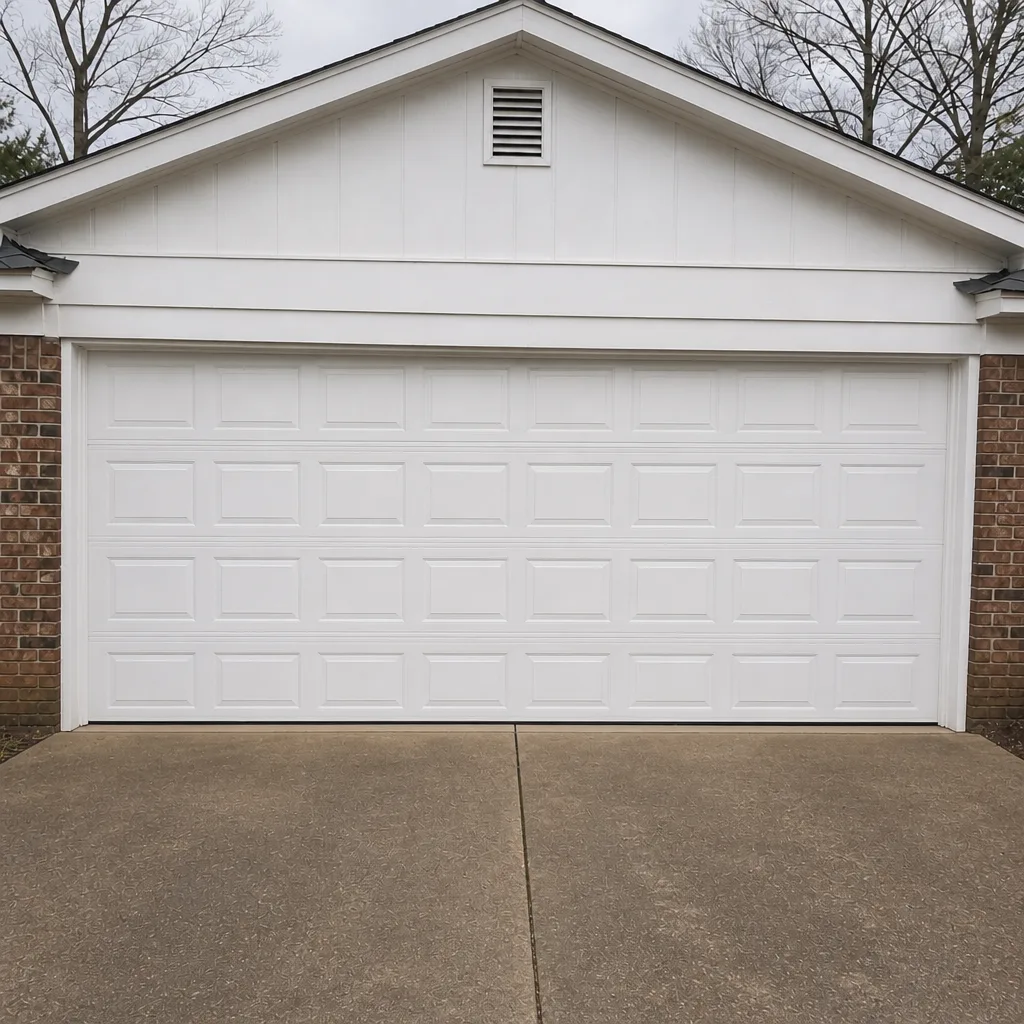
See the difference
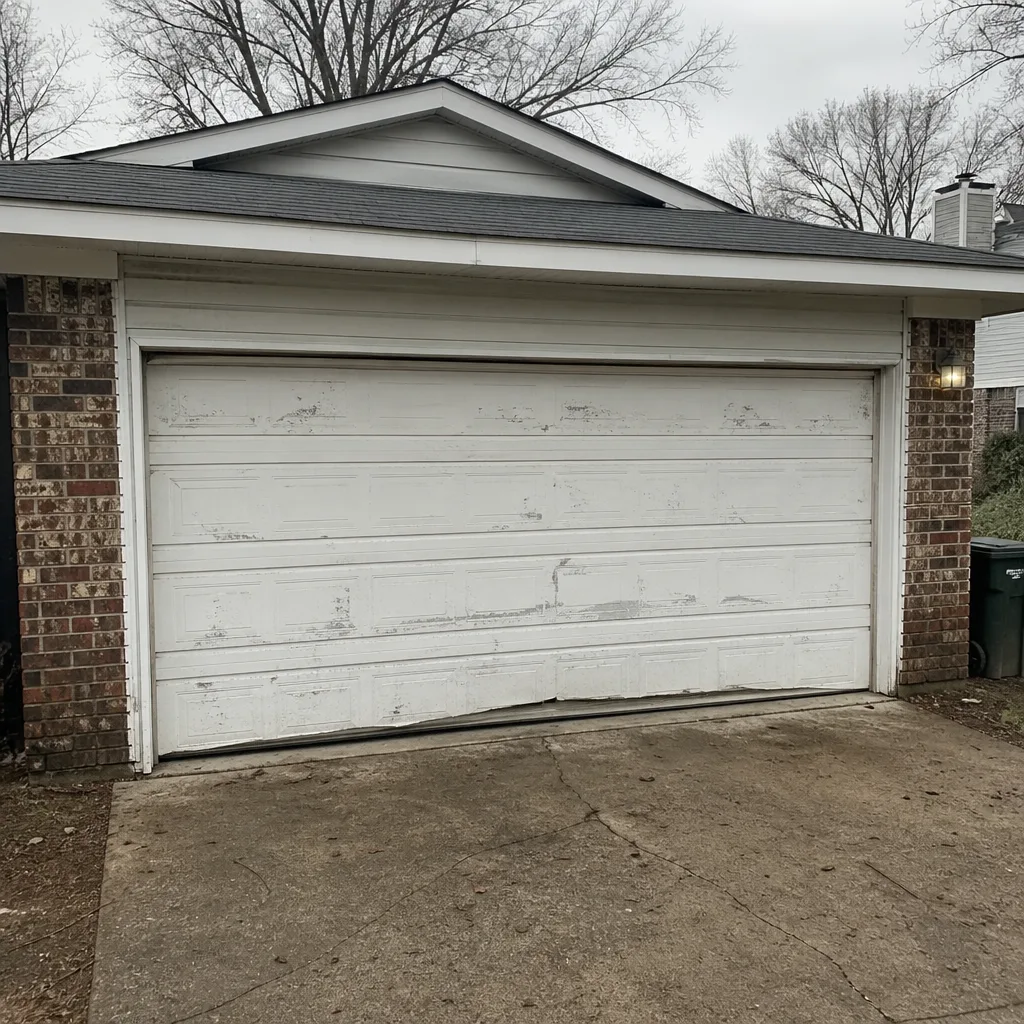 Before
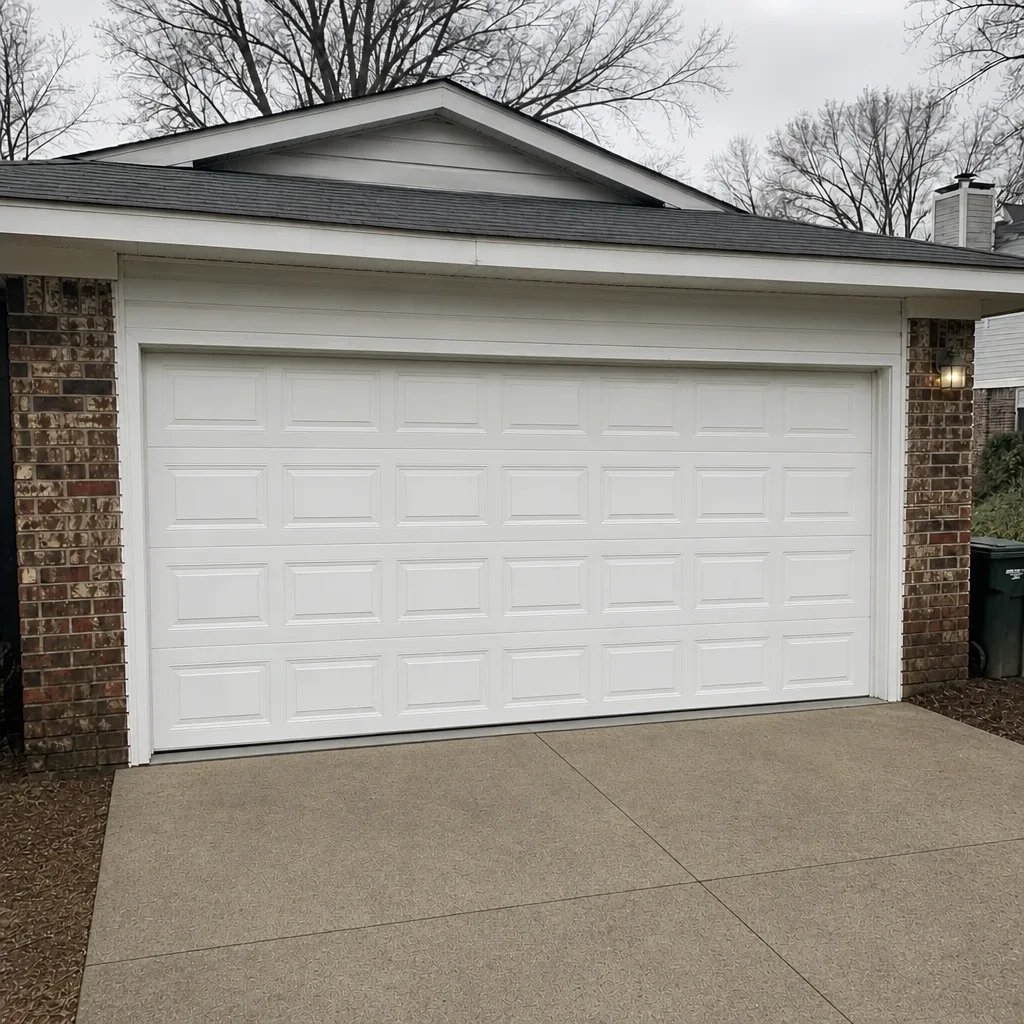 After
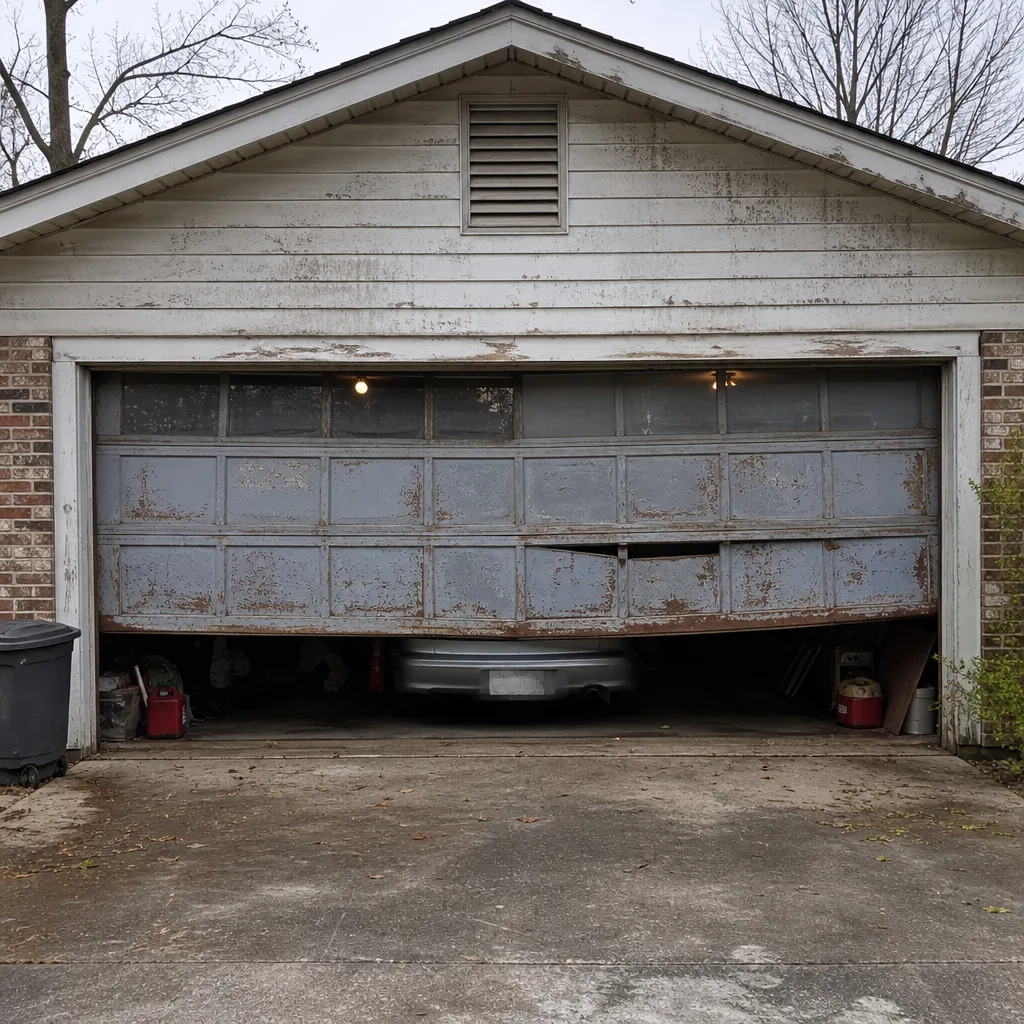 Before
 After
 Before
 After
When to Call a Professional
Call a professional when the balance test shows the door drifting up or down, when you hear a loud bang or snap from the garage, when you see visible slack in either lift cable, when a bottom bracket or anchor plate has visibly loosened, when a track measures more than an eighth-inch off between left and right sides, or when the opener reverses inconsistently on the safety-reverse test. Those conditions aren’t a maintenance step – they’re the signal to stop using the door until a technician has looked at it. Remember that some opener issues are worth fixing and some aren’t, and having a team that also handles installation means you get honest advice either way: repair or replace – we’ll tell you which one actually makes sense. Prospect Garage Door Repair offers free estimates in Birmingham – call (833) 946-3180. We answer 24/7. Fast dispatch from 7am to 7pm, Sunday through Friday.
Frequently Asked Questions
Monthly for the visual walk-around and quarterly for lubrication, with a full professional inspection at least once a year. Doors over ten years old should get a full mechanical check every six months given the heat cycling and clay soil movement here. Adjust upward for older doors and unheated garages, downward for newer doors in climate-controlled spaces.
Because Alabama summer days swing through big temperature ranges – often 20 to 25 degrees between morning and afternoon – and that daily expansion and contraction works lag bolts loose over time. It’s a slow process, but it’s the single most common cause of anchor plate failure we see. Checking the bolt heads monthly catches it before it becomes a serious repair. Call (833) 946-3180 for an exact quote if you suspect yours are loose – estimates are free.
You can safely lubricate the hinges, roller stems, torsion shaft bearings, and the opener rail. You should not lubricate the tracks, the nylon roller wheels themselves, or the opener chain, and you should not put a wrench to any bolt connected to a wound spring. The lubrication work is a homeowner task; the torque work is not. If you’re not sure which is which on your specific setup, call (833) 946-3180 – a quick check is free.
Measure the gap between each vertical track and the door frame at three heights and compare left against right. A difference of more than about an eighth of an inch between sides, or a number that keeps drifting in one direction over several months, means the frame has moved and the track needs realignment. This is more common on older properties in areas built on shrink-swell clay.
Yes. Our technicians are licensed and insured, our technicians have up to experience, and they work on all eight major residential brands: LiftMaster, Chamberlain, Genie, Clopay, Amarr, Wayne Dalton, Craftsman, and Raynor. Call (833) 946-3180 for a free estimate – the price is quoted and agreed before any work starts.
No. The written estimate sets the price, and you agree to it before any work starts. The one thing we want to avoid is an invoice bigger than the quote, which is why we walk the door with you, write it up, and quote it as a fixed job rather than an open-ended hourly rate. Call (833) 946-3180 to book the estimate – it’s free.
Check the spring anchor plate bolts and the bottom bracket bolts monthly. Those two checks catch the failures that most commonly cause serious safety issues and expensive repairs in this climate. Everything else on the checklist matters, but those two deserve attention first. If anything looks wrong, call (833) 946-3180 and we’ll take a look.
The Bottom Line
A garage door maintenance checklist written for a temperate climate will leave you checking the wrong things. In Birmingham, the priority list runs the other way: spring anchor plates, bottom brackets, track alignment against soil movement, and cable drums come first, every month. Lubrication matters, but only at the specific points that help in humid air – tracks and nylon rollers stay dry. Adjust the schedule for door age, material, and whether the garage is climate-controlled. And for the spring, cable, and bracket work that lives in the danger zone, call a technician. Call (833) 946-3180 for a free estimate. We answer 24/7. Fast dispatch from 7am to 7pm, Sunday through Friday. Closed Saturday.
Written by the team at Prospect Garage Door Repair.