
Last updated November 15, 2026
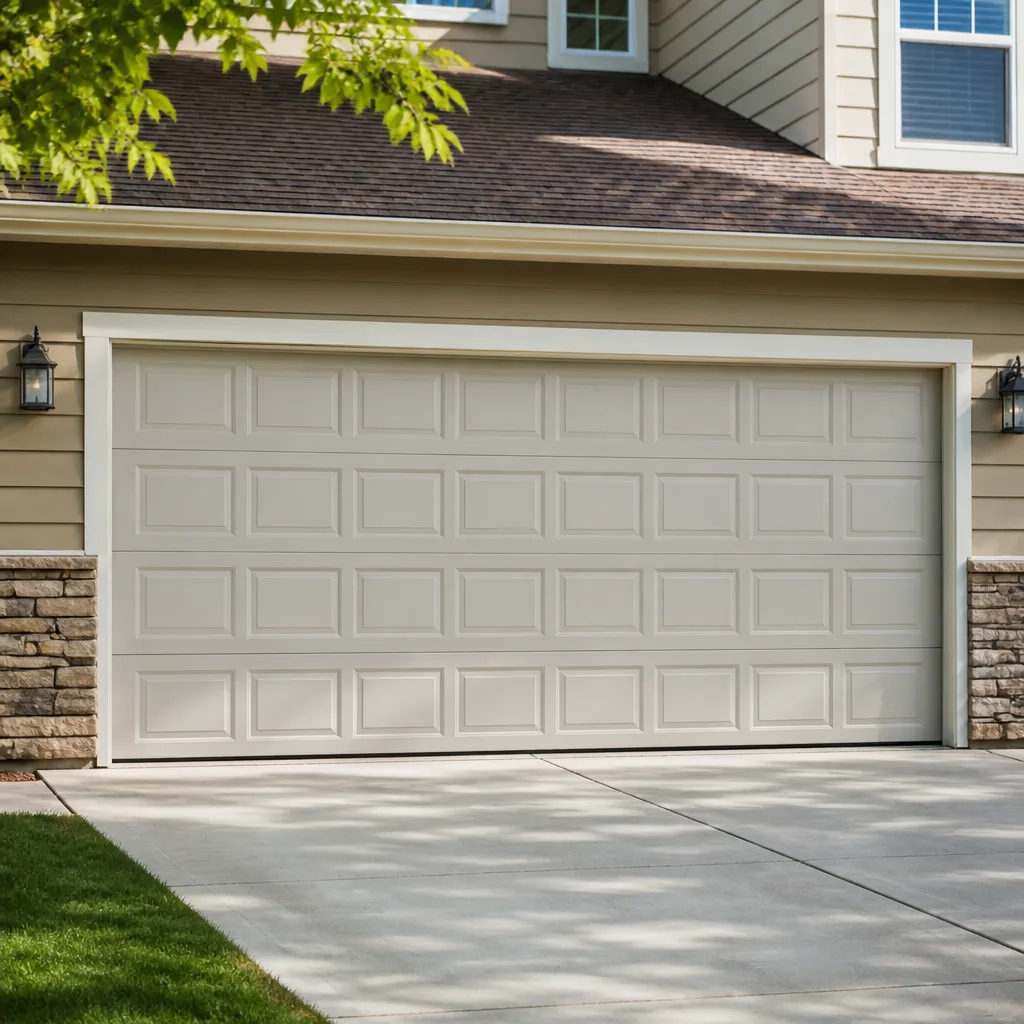 Raised-panel steel
 Carriage house
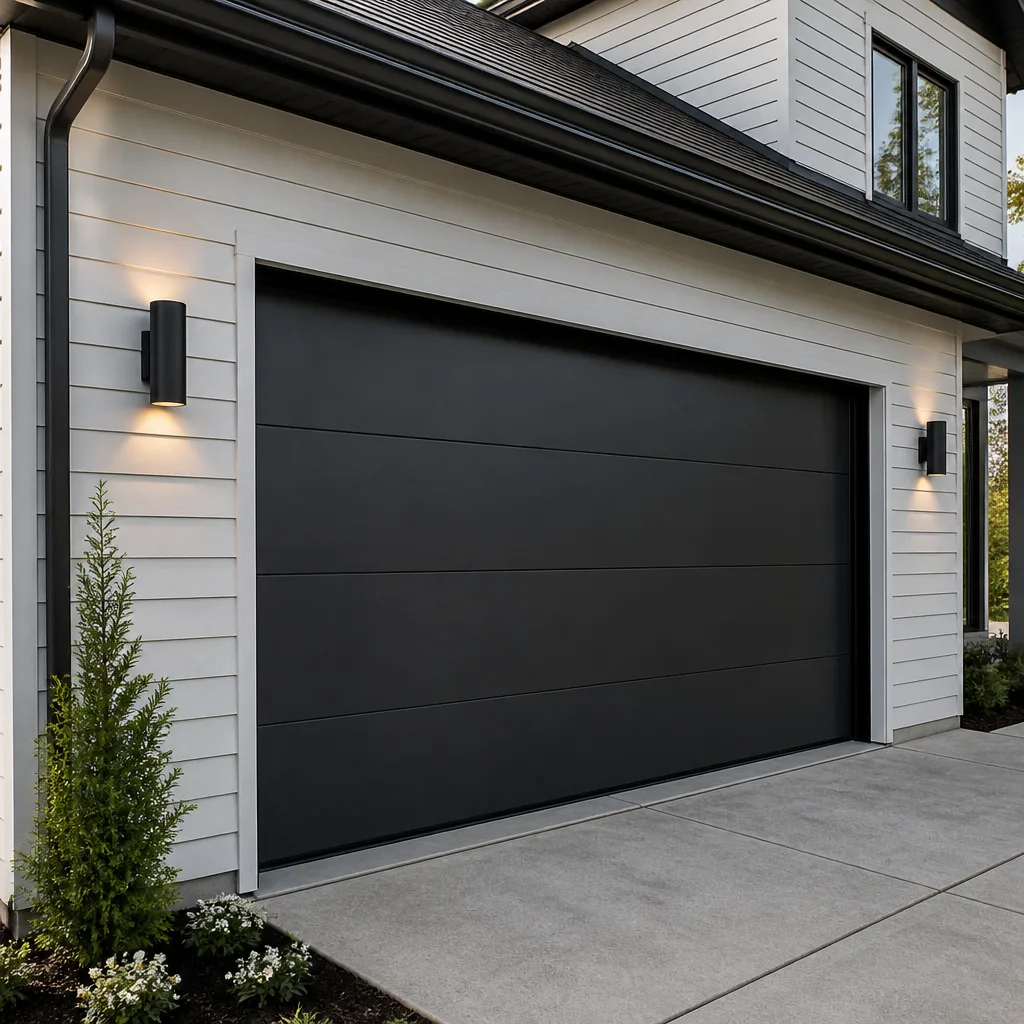 Modern flush
 Full-view glass
 LiftMaster openers
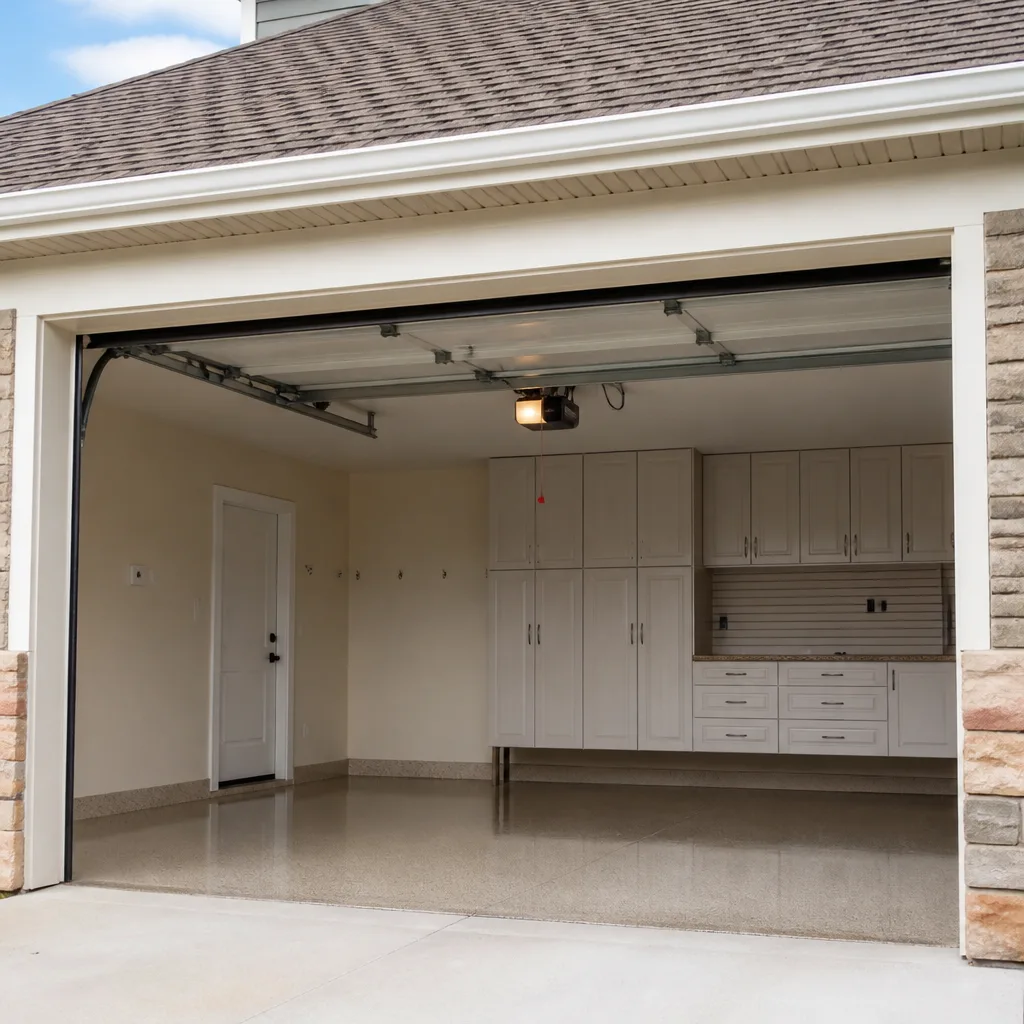 Chamberlain openers
Full 25-point door and opener safety check with every visit - springs, cables, rollers, tracks, and your LiftMaster or Chamberlain opener included
You get a price before we start. It does not change when the pro arrives.
Get your free estimateGarage Door Repair Maintenance Schedule: What to Do and When
The number-one maintenance mistake isn’t skipping lubrication. It’s lubricating the wrong parts. Spraying WD-40 on torsion springs or plastic rollers actively shortens their lifespan, and it’s in half the YouTube tutorials out there. We see the results in Birmingham all the time: gummy springs packed with dust, cracked nylon rollers that were “maintained” into an early failure, and tracks that got a coat of oil they never needed.
A useful schedule doesn’t just say “lubricate twice a year” and walk away. It matches tasks to how your door type, opener brand, and Alabama’s seasonal swing actually wear a garage door down. This guide gives you a month-by-month plan for Birmingham, a component-by-component lubrication guide, two quarterly tests you can run without tools, and the lifespan benchmarks that tell you when to start budgeting for a spring or a set of rollers.
Quick Answer
Run a quarterly go/no-go check (balance and force tests), lubricate moving metal parts twice a year with white lithium grease, and inspect the weather seal before summer and the cables before cold weather. In Birmingham, the biggest wear drivers are summer heat and humidity, which cook lubricant off springs and dry out rubber seals, followed by fall cold snaps that contract cables and stiffen older rollers. Replace springs on a cycle-count basis, not a calendar basis, and call a technician the moment a cable frays, a spring breaks, or the door stops balancing.
Styles & brands we work with
- Raised-panel steel
- Carriage house
- Modern flush
- Full-view glass
- LiftMaster openers
- Chamberlain openers
Table of Contents
- Why Generic Maintenance Advice Fails Birmingham Doors
- The Birmingham Month-by-Month Maintenance Calendar
- Component-by-Component Lubrication Guide
- The Two Quarterly Tests Every Homeowner Can Run
- Lifespan Benchmarks for Birmingham Homes
- What a Professional Tune-Up Checks That You Can’t
- Common Mistakes to Avoid
- When to Call a Professional
Why Generic Maintenance Advice Fails Birmingham Doors
Most garage door maintenance advice is written for a temperate climate with one door type and one opener brand. Birmingham isn’t temperate. Summers push the inside of a closed garage well above outdoor temperatures, and that heat does specific things to specific components. Spring steel that’s been cycled thousands of times loses tension faster when it’s heat-cycled daily. Lubricant that’s fine in a mild climate thins and migrates off high-friction contact points. Rubber weather seals dry and crack in the UV and heat, then let in the summer storms that roll through the metro.
Then fall arrives and the temperature drops fast. Cables that were fine in August contract and reveal a frayed strand. Rollers that were merely worn become noisy and stiff. Hinges that were quiet start to squeak. This contraction-and-relaxation cycle, repeated every year, is a bigger wear factor in Birmingham than most homeowners realize, and it’s not on the standard “oil it twice a year” schedule.
Door type matters just as much. An insulated Clopay or Amarr door weighs substantially more than a basic non-insulated steel door of the same size, which means its springs, cables, and opener work harder on every cycle. A LiftMaster or Chamberlain belt-drive opener handles that weight smoothly but still transmits the load to the same springs. A Genie chain-drive unit is a workhorse but louder and more sensitive to roller condition. The schedule below accounts for these differences instead of treating every door the same.
We work on the door in front of us, not just the brand we happen to stock, which is why we can tell you what your specific system actually needs. If you’re not sure what you’re working with, we can identify it during a service visit.
The Birmingham Month-by-Month Maintenance Calendar
This is the core of the guide. It’s organized by season rather than strict month names because Birmingham’s seasons don’t follow the calendar neatly, but the order is what matters. Do these in sequence and you’ll catch wear before it becomes a breakdown.
- Late winter to early spring (before the first hot stretch): Inspect the bottom weather seal and the side seals for cracking and gaps. Heat and storm season are coming, and a dried-out seal lets water and pests in. Clean and relubricate springs, hinges, and rollers.
- Spring: Run the balance and force tests (below). Listen for new noises on open and close. Check that the photo-eye safety sensors are aligned and clean, since spring pollen and dust coat the lenses.
- Early summer: Recheck the weather seal, since the heat is at its worst. Look at the rollers for flat spots or cracks. Confirm the opener’s force settings haven’t drifted. This is the time to check that your LiftMaster or Chamberlain safety reverse still works.
- After any major storm: Walk the tracks for bends or misalignment and look at the cables for kinks. Storm-driven debris and wind load can knock a track out of alignment even when the door still operates.
- Early fall: Inspect cable tension and look for fraying ahead of cold-contraction season. Check hinges for looseness and tighten any that have worked loose. Relubricate moving metal parts before the dry, cold air arrives.
- Late fall: Test the door balance again as temperatures drop. Confirm the opener reverses on obstruction, since stiff cold-weather rollers can change how the door responds. This is the best window to schedule a professional tune-up before winter.
- Winter: Keep the tracks clean and dry. Watch for condensation on the door and tracks in a heated garage, which can cause rust on bare steel components.
That’s a full year of tasks. Most of them take minutes, and none of them involve adjusting a spring or a cable, which is work for a trained technician only.
Component-by-Component Lubrication Guide
This is where most DIY advice goes wrong, and it’s worth slowing down for. The goal of lubrication is to reduce friction on metal-to-metal contact points without attracting dust or degrading plastic and rubber parts. Different components need different products, and some need nothing at all.
Springs
Torsion springs should get a light coat of white lithium grease, not oil and never WD-40. WD-40 is a solvent and water displacer, not a lubricant, and it strips whatever protective coating the spring has while leaving a sticky residue that collects grit. Grit in a spring’s coils accelerates fatigue. A thin film of white lithium grease is the right call. Do not touch the spring to apply it if you’re not sure how the system is tensioned; ask a technician to coat it during a tune-up if you’re not comfortable.
Hinges
Hinges are metal-on-metal pivot points. White lithium grease or a silicone spray both work here. A few drops in the pivot of each hinge, worked in by opening and closing the door, quiets squeaks and slows wear. Wipe off the excess so dust doesn’t collect.
Rollers
Steel rollers benefit from a light application of white lithium grease on the bearing, not the roller surface. Nylon rollers need nothing at all, and greasing them attracts grit that wears the nylon faster. If your rollers are plastic or nylon, leave them alone and replace them when they crack or develop flat spots.
Tracks
Tracks should be clean and dry, not lubricated. A common mistake is spraying oil into the tracks, which traps dust and hair and turns into a sticky paste that drags on the rollers. Wipe the tracks with a damp cloth and leave them. If the door is noisy, the noise is almost always coming from the rollers or hinges, not the tracks.
Lock Mechanisms and Manual Release
A lock cylinder or a manual release lever benefits from a dry lubricant or a graphite product, not oil. Oil in a lock cylinder collects dust and gums up the pins. The manual release should move freely; test it periodically so you know it works if you ever lose power.
Trim and Seals
Silicone spray is the right product for rubber weather seals and trim, because it conditions the rubber without petroleum-based degradation. This is the one place silicone spray beats grease. A light coat in spring and early summer keeps the seal pliable through the worst heat.
The Two Quarterly Tests Every Homeowner Can Run
You don’t need tools to catch most developing problems. Two simple tests, run every three months, tell you whether the door is still balanced and whether it’s still safe. These are go/no-go checks, not adjustments.
The Balance Test
Disconnect the opener by pulling the manual release so the door moves freely by hand. Raise the door about halfway and let go. A properly balanced door stays put, or drifts only slightly. If it slams down or drops quickly, the springs aren’t carrying their share of the weight and the opener is doing work it shouldn’t. Put the door back down, reconnect the opener, and don’t run the door until a technician looks at it. An unbalanced door that’s still being lifted by an opener is a spring-failure waiting to happen.
The Force-Resistance Test
With the door closed and the opener connected, place a small object like a rolled-up towel or a block of wood on the floor in the door’s path. Run the door down. It should reverse on contact with the object, not crush it. This tests the opener’s safety reverse. If the door doesn’t reverse, stop using it and call for service. Your opener’s force settings, whether it’s a LiftMaster, Chamberlain, or Genie unit, are part of what a professional tune-up checks; this test just tells you whether they’re still working.
What Each Result Means
- Balance test passes, force test passes: The system is healthy. Keep to the schedule.
- Balance test fails: Springs are losing tension. Schedule a spring inspection.
- Force test fails: Safety reverse isn’t working. Stop using the door and call.
- Both fail: The door needs professional attention before further use.
Run these in spring, summer, fall, and winter. They take two minutes and tell you more than any visual inspection will.
Lifespan Benchmarks for Birmingham Homes
Garage door components don’t fail on a calendar. They fail on a cycle count, and Birmingham’s climate accelerates the wear on some of them. Here’s how to think about when to start budgeting.
Torsion Springs
Springs are rated by cycles: one cycle is one open and one close. A standard residential spring is often rated for a set number of cycles, and a high-cycle spring lasts longer. A household that opens and closes the door four times a day hits about 1,460 cycles a year, so a standard spring may be due for replacement well before a high-cycle version would be. The Birmingham heat and humidity accelerate fatigue because the spring is constantly expanding and contracting in a hot, sometimes damp garage. Don’t budget by years alone; budget by how often you use the door. When one spring in a matched pair goes, plan to replace both, because the second is usually close behind and pairing a new spring with an old one unbalances the system.
Rollers
Rollers become a safety issue when they develop flat spots, cracks, or a rough bearing that lets the door wobble in the track. Worn rollers put extra load on the hinges and the opener. In our experience, most Birmingham rollers last several years of regular use before they need replacement, but a noisy, rumbling door on the way up or down is the sign to check them.
Insulated vs. Non-Insulated Doors
Insulated doors like a Clopay or Amarr insulated model weigh more, which means the springs and opener work harder on every cycle. That extra weight shortens spring life a little, but the insulation protects the door panels from heat warping and makes the door quieter. A non-insulated steel door is lighter and easier on the springs, but it can rattle more and is more prone to denting and panel warping in extreme heat. Neither type is “better” for longevity; they age differently, and your maintenance schedule should account for the added weight if you have an insulated door.
Cables
Cables don’t wear on a predictable cycle count. They fail from fraying, kinking, or rust, which is why the visual inspection before cold season matters more than a lifespan estimate. A frayed cable is a safety issue and needs professional replacement.
What a Professional Tune-Up Checks That You Can’t
A tune-up isn’t the same as your quarterly tests, and it isn’t just lubrication with a nicer label. It’s a set of checks and adjustments that require tools, training, and the right parts. Here’s what’s actually happening when you schedule service on your door.
- Spring tension measurement and adjustment. A technician measures the actual tension and confirms the springs are carrying the door’s weight correctly. Adjusting or replacing a torsion spring is dangerous work: the spring is under high tension, and an inexperienced person can be seriously injured. This is not a DIY task.
- Cable inspection and replacement. Cables are under tension too. A qualified technician checks for fraying and kinks and replaces a failing cable with the correct gauge.
- Track alignment. A technician checks the tracks for bends, misalignment, and looseness at the mounting points, then corrects them. A slightly bent track can wear rollers fast.
- Hinge and roller replacement. Worn hinges and rollers are replaced with the correct parts. This is where brand-matched parts knowledge matters: the right roller for your door type and the right hinge for your panel profile prevent repeat service calls.
- Opener force and limit settings. The technician calibrates the opener’s force and travel limits so it reverses correctly and stops at the right points, whether it’s a LiftMaster, Chamberlain, or Genie system.
- Safety reverse confirmation. The professional confirms the safety reverse actually works under test conditions, not just that the door moves.
The point of a tune-up is to catch the things your quarterly tests can’t: tension drift, cable wear, and parts that are wearing but haven’t failed yet. Our technicians have up to 14 years of experience, and they know these systems well enough to spot a part that’s about to fail before it does.
Common Mistakes to Avoid
- Spraying WD-40 on the springs. WD-40 is a solvent, not a lubricant. It strips the spring’s protective coating and leaves a sticky film that collects grit, which shortens spring life. Use white lithium grease instead.
- Greasing nylon rollers. Nylon and plastic rollers don’t need grease. Greasing them attracts dust and grit that wears the nylon faster and turns a quiet door into a rumbling one.
- Oiling the tracks. Oil in the tracks collects dust, hair, and debris into a paste that drags on the rollers. Keep tracks clean and dry.
- Ignoring the weather seal until it’s leaking. In Birmingham’s heat, a dried-out bottom seal cracks and lets water and pests in. Check it before summer, not after.
- Adjusting the springs yourself. Torsion springs are under high tension, and adjusting them without training is a serious injury risk. Leave spring work to a technician.
- Replacing only one spring in a pair. A matched pair is designed to carry the load together. Replacing one leaves the system unbalanced and the second spring is usually close to failing anyway.
- Skipping the fall cable check. Cold contraction is when frayed cables reveal themselves. A quick visual inspection in early fall catches the problem before it strands the door.
When to Call a Professional
Call us when the balance test fails, when a cable looks frayed or kinked, when the door reverses on its own or refuses to reverse, or when a roller is cracked or rattling. Call immediately if a spring has visibly broken, if the door won’t open evenly, or if the opener is struggling to lift a door that used to lift easily. Those are signals that a trained technician needs to look at the system, not something to nurse along with more grease. If you’re in the middle of a problem now, garage door repair covers what we do and how we work through it. Prospect Garage Door Repair offers free estimates in Birmingham, we can work with your insurer if an incident is involved, and every job is quoted and agreed before any work starts. Call (833) 946-3180. We answer 24/7. Fast dispatch from 7am to 7pm, Sunday through Friday. If you’re not sure what brand or opener you have, we’ll identify it during the visit; we work on LiftMaster, Chamberlain, Genie, Clopay, Amarr, Wayne Dalton, Craftsman, and Raynor systems.
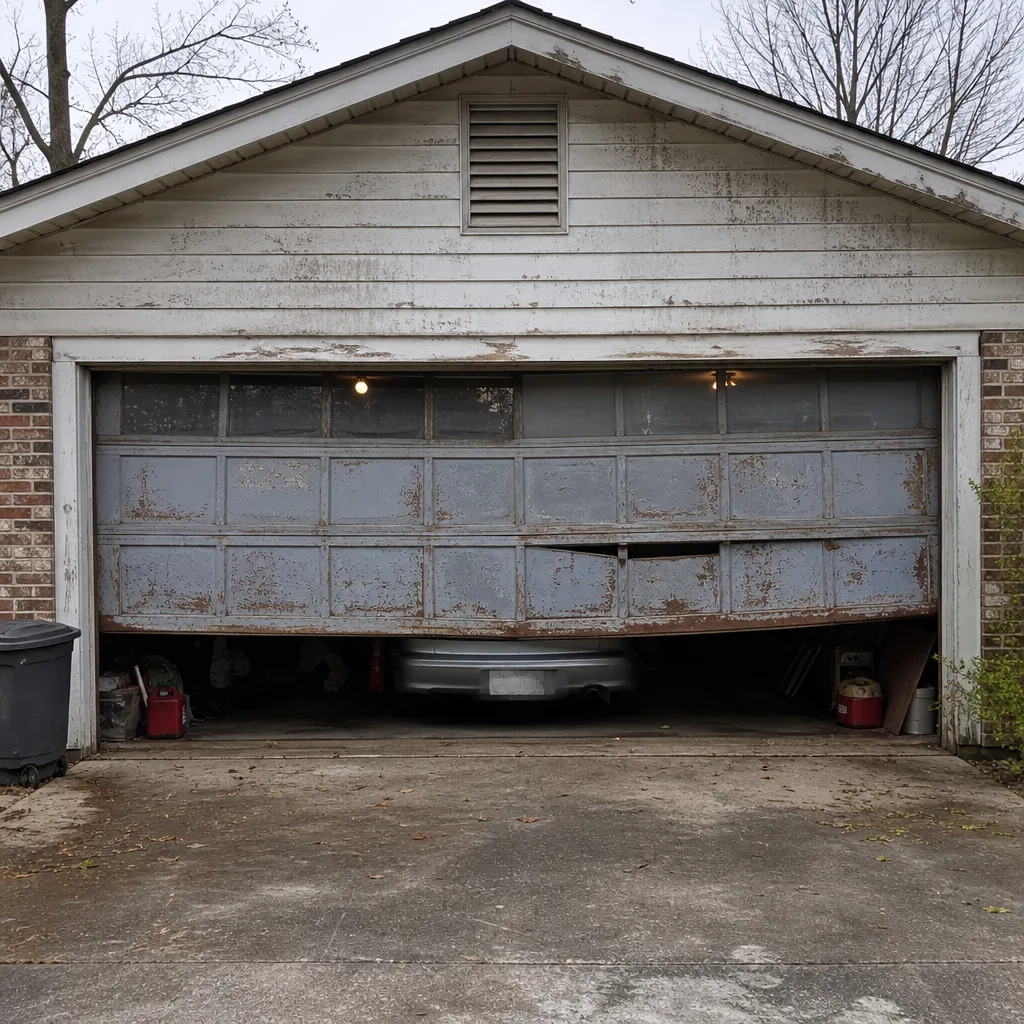
See the difference
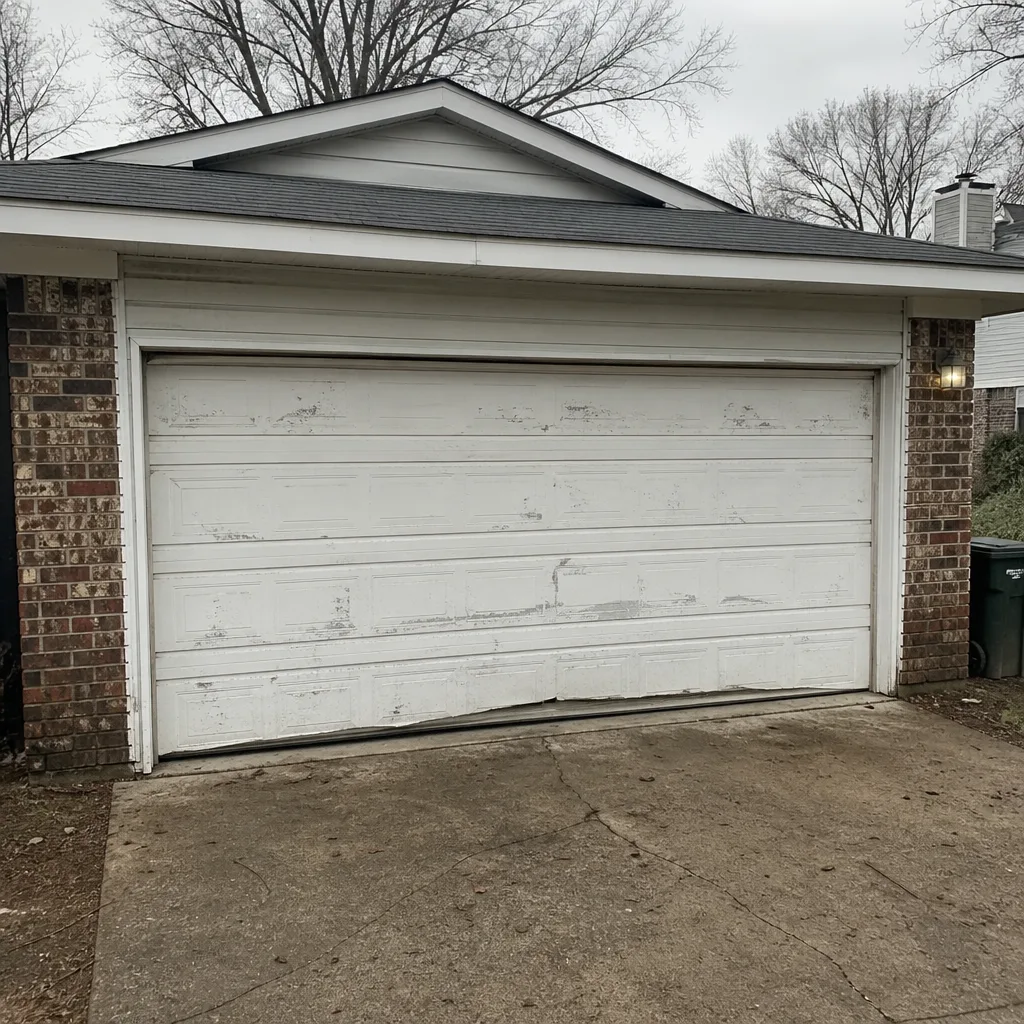 Before
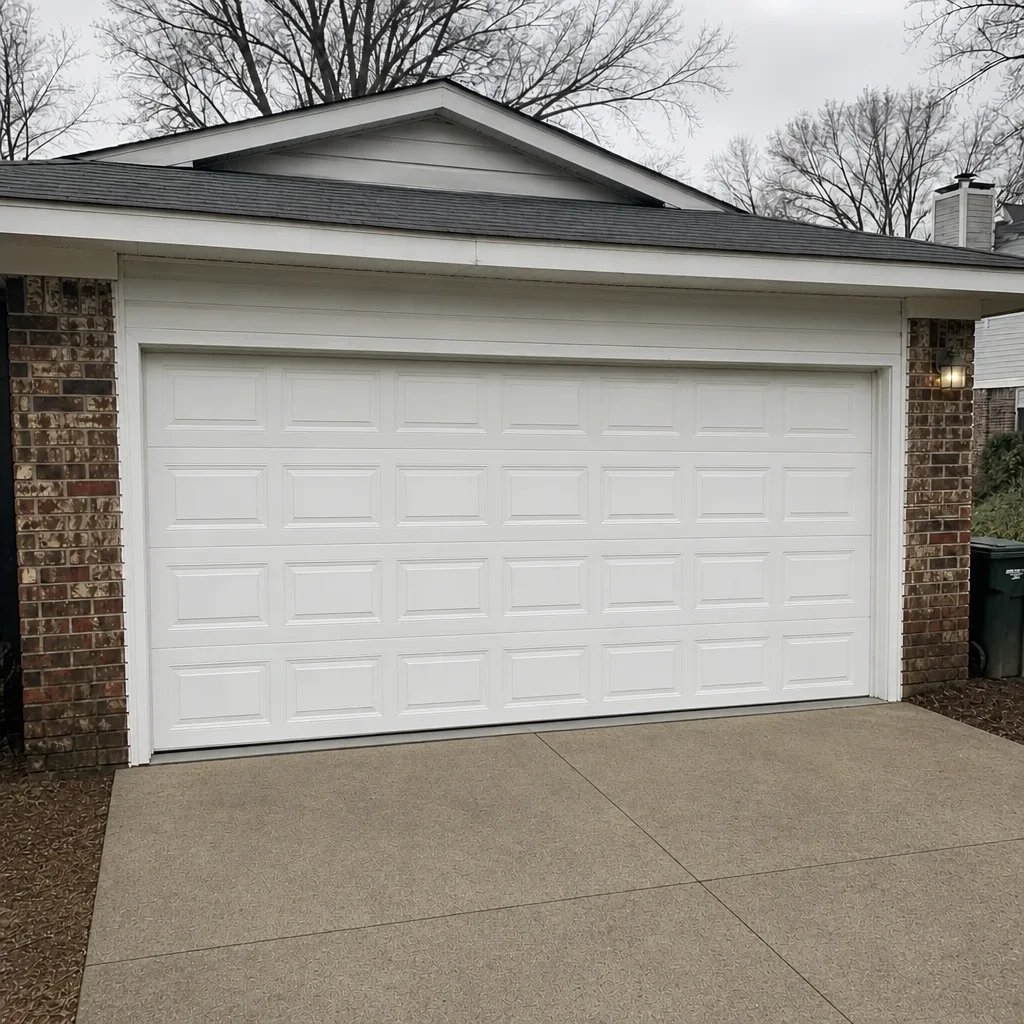 After
 Before
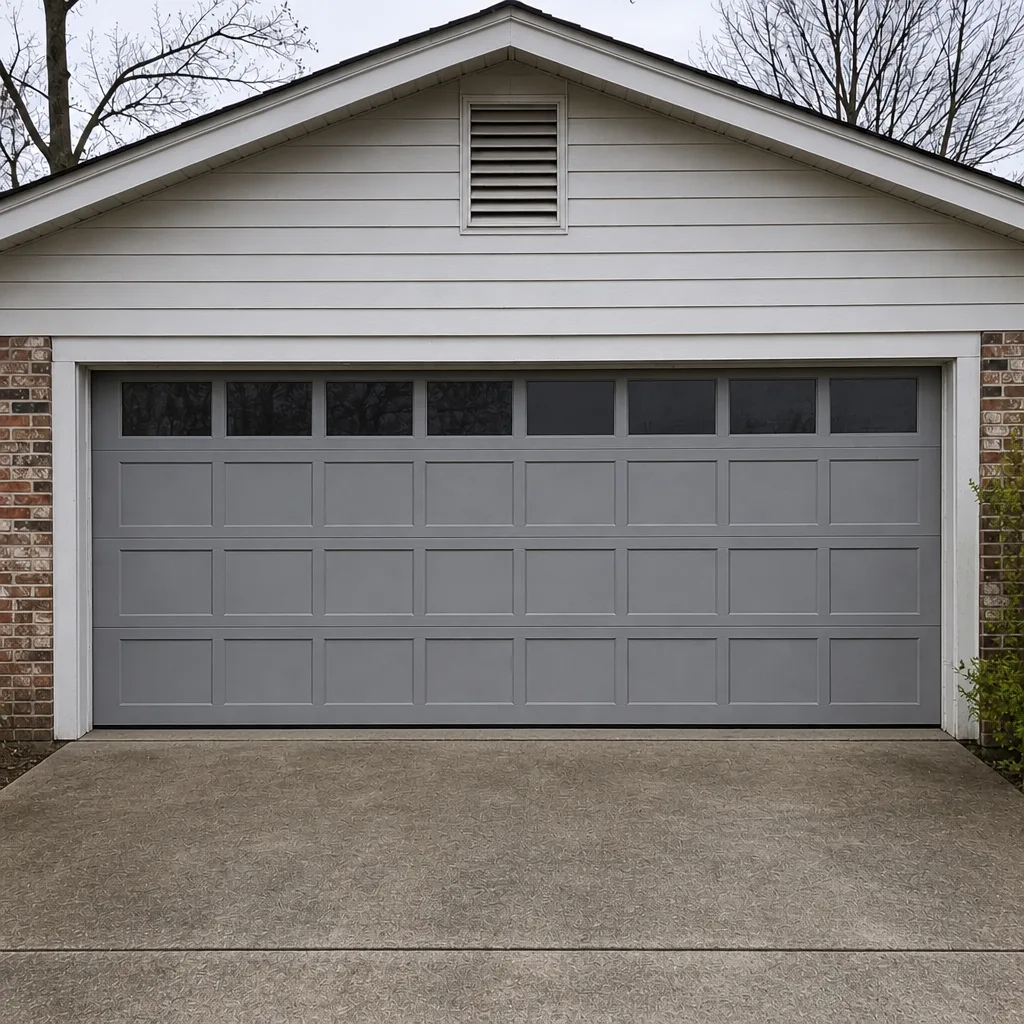 After
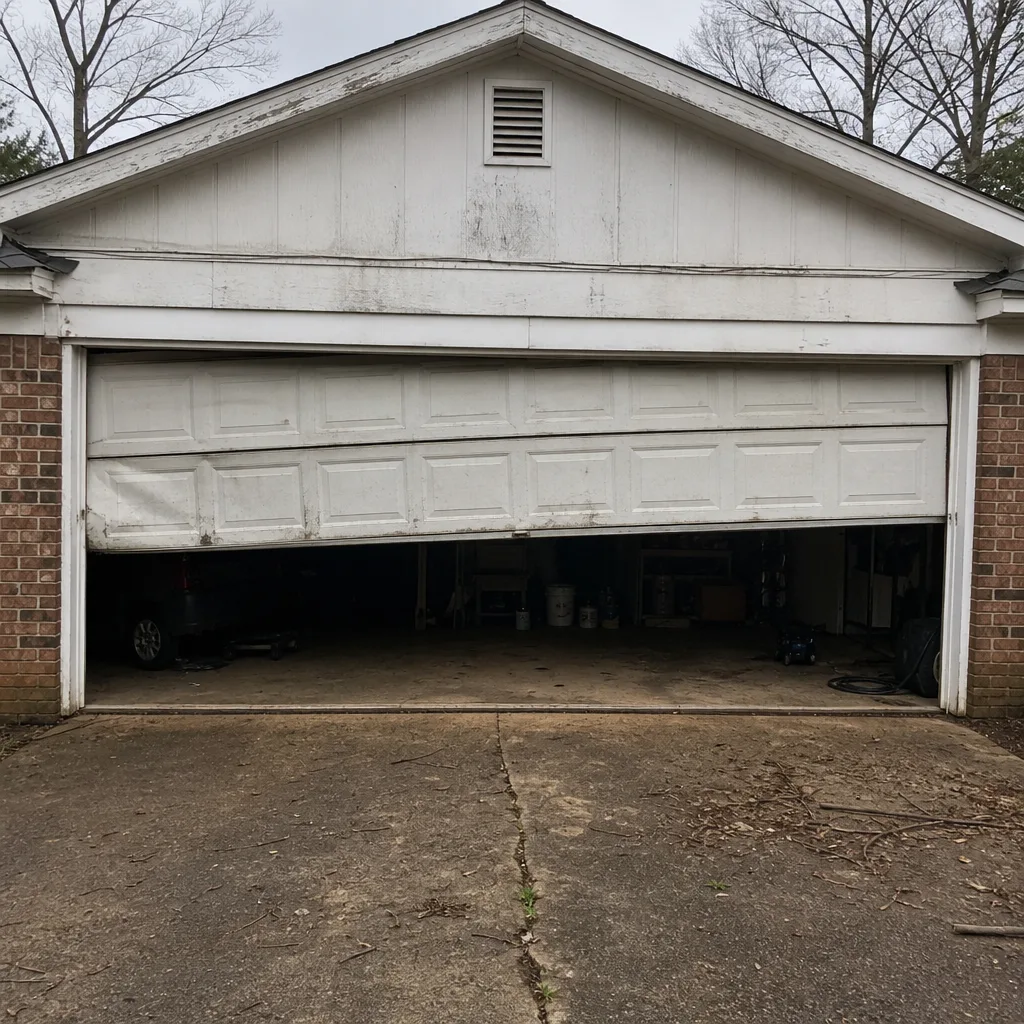 Before
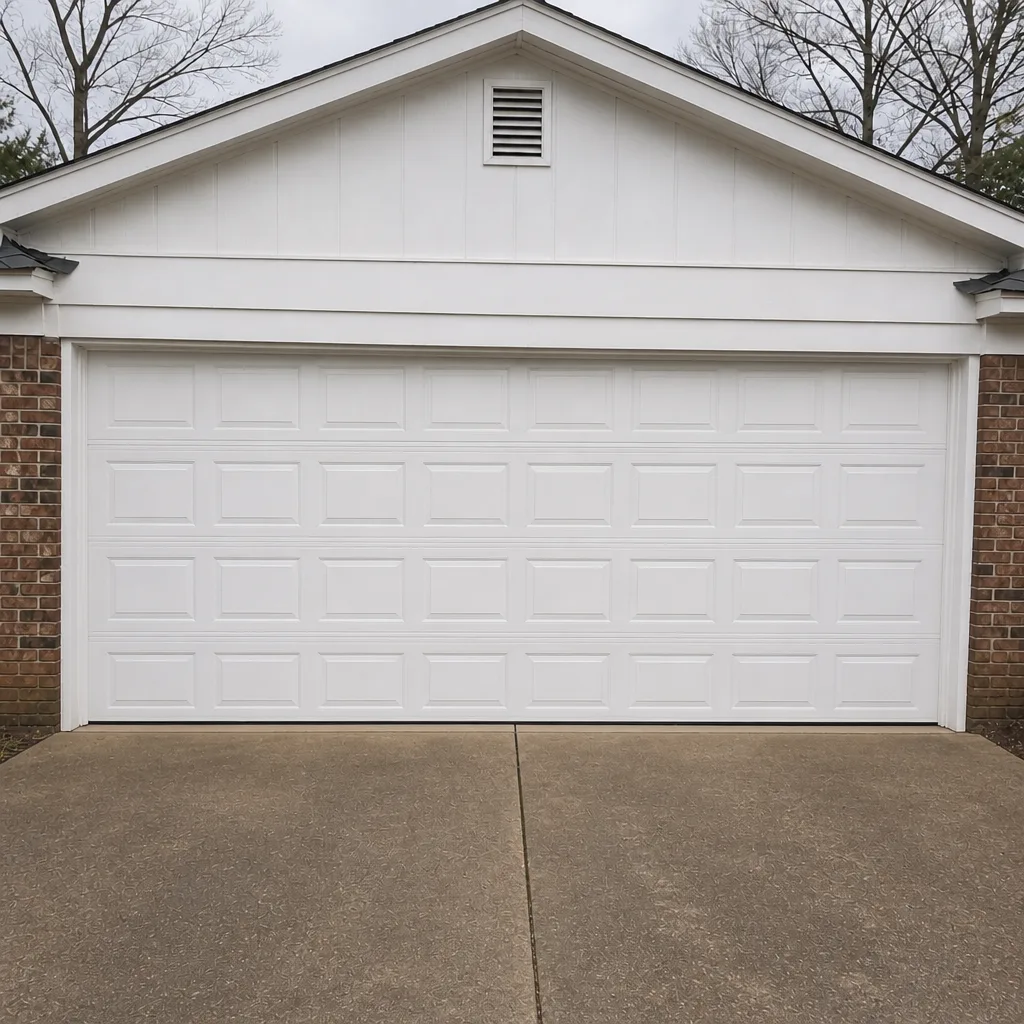 After
Frequently Asked Questions
Twice a year for moving metal parts: springs, hinges, and steel roller bearings. Use white lithium grease on the springs and hinges and silicone spray on rubber seals. Leave nylon rollers and the tracks alone.
Yes. Disconnect the opener with the manual release, raise the door halfway, and let go. A balanced door stays put or drifts slightly. If it drops fast, stop using it and call for service. The test doesn’t require tools and takes about a minute.
Springs wear by cycle count, not years, and Birmingham’s heat and humidity accelerate fatigue. A door cycled several times a day may need springs replaced well before a lightly used door. When one spring in a pair fails, plan on both.
Usually not, but the noise tells you where to look. A squeak from the hinges is a lubrication issue. A rumble or rattle from the rollers means they’re worn and likely need replacement. Grinding or a scraping sound along the tracks means alignment. A tune-up catches all three.
Your tests are go/no-go diagnostics: they tell you whether the system is balanced and whether the safety reverse works. A tune-up measures spring tension, inspects cables, checks track alignment, replaces worn parts, and calibrates the opener. The tests catch obvious failures; the tune-up catches the drift that leads to them.
Call (833) 946-3180 for the current schedule. We answer 24/7, and fast dispatch from 7am to 7pm, Sunday through Friday is available. A call outside dispatch hours is booked into the next opening, Sunday through Friday, 7am to 7pm. Estimates are free, and the price is quoted and agreed before any work starts.
The Bottom Line
A garage door maintenance schedule that works in Birmingham is built around the seasons, the door’s weight, and the opener’s brand, not a generic twice-a-year rule. Lubricate the right parts with the right products, run the balance and force tests every quarter, inspect the seal before summer and the cables before cold weather, and budget for springs by cycle count rather than years. Know what a professional tune-up catches that you can’t: tension drift, cable wear, and parts that are wearing but haven’t failed yet. If you’re ready to schedule service, a free estimate is a good place to start. Call (833) 946-3180. We answer 24/7. Fast dispatch from 7am to 7pm, Sunday through Friday. Our team handles garage door opener repair and full installation if you’re weighing repair versus replacement, and if you’re in the metro area, Birmingham is our home base for scheduling. For a full look at what we do, see Prospect Garage Door Repair.
Written by the team at Prospect Garage Door Repair.